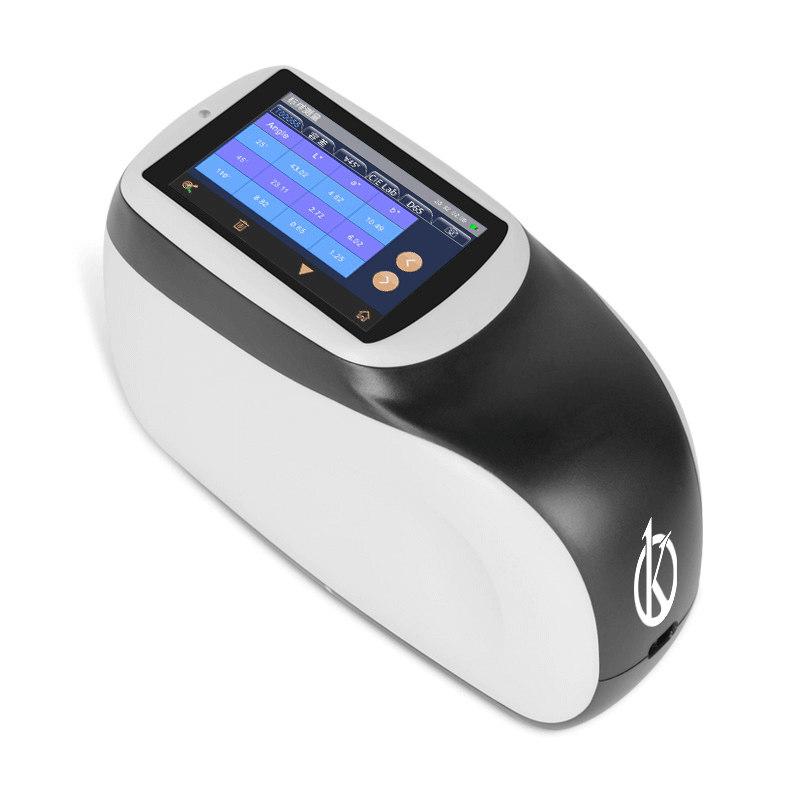
Multiangle Spectrophotometers: Practical Applications and Techniques 2026
What is it used for in 2026
Multiangle spectrophotometers are essential tools in modern laboratories, providing precise measurements of color and optical properties from various angles. In 2026, their applications span across numerous fields, including coatings, plastics, textiles, and food industries. They are crucial for quality control, product development, and research purposes, allowing professionals to analyze color differences that may arise due to lighting conditions or surface textures.
History and evolution of the technology
The evolution of multiangle spectrophotometry can be traced back to the early developments in optical measurement techniques. Initial spectrophotometers were limited to single-angle measurements, which restricted their effectiveness in accurately determining color differences. Over the years, advancements in technology led to the introduction of multiangle capabilities, allowing for a more comprehensive understanding of color perception. Innovations in sensors, light sources, and data processing have significantly enhanced the accuracy and reliability of these instruments, making them vital in contemporary laboratories.
How to use it step by step
- Preparation: Ensure the multiangle spectrophotometer is calibrated and clean. Check the light sources and ensure they are functioning correctly.
- Sample Preparation: Prepare the sample according to the specifications, ensuring the surface is smooth and clean to avoid interference in measurements.
- Selection of Angles: Choose the appropriate measurement angles based on the requirements of your analysis. For instance, the YR05491 allows measurements at 8 different angles while the YR05492 offers 12 angles.
- Measurement: Place the sample on the measurement platform and initiate the measurement process via the software interface.
- Data Analysis: Once measurements are completed, analyze the data using the accompanying software. Look for color differences, aberrations, and other relevant parameters.
- Documentation: Record all findings, ensuring to maintain accurate records for future reference and compliance.
Best techniques and protocols
To achieve optimal results when using multiangle spectrophotometers, adhere to the following best techniques and protocols:
- Always calibrate the device according to manufacturer specifications before usage.
- Ensure that the environmental conditions (lighting, humidity, temperature) are controlled to avoid skewed results.
- Utilize standardized color samples for verification of measurements.
- Conduct multiple measurements at different angles to gain comprehensive data.
- Follow manufacturer guidelines for cleaning and maintenance to ensure longevity and precision of the instrument.
Practical applications by laboratory type
Different laboratories utilize multiangle spectrophotometers for various practical applications:
- Coatings Laboratories: Used to assess color consistency and quality of coatings, ensuring products meet specific standards.
- Textile Laboratories: Essential for measuring colorfastness and color differences in fabric treatments.
- Food Industry: Employed to analyze color attributes of food products, which can affect consumer perception and quality assurance.
- Pharmaceutical Laboratories: Useful for assessing the appearance of drug formulations, which can impact both efficacy and marketability.
Regulations, standards and certifications
In 2026, compliance with international standards is critical for laboratories using multiangle spectrophotometers. Commonly referenced standards include:
- ASTM D 2244 for color measurement precision.
- ISO 7724 for color difference measurement.
- DIN 5033 for color measurement methodologies.
- ISO 11664-4 for colorimetry.
Maintaining adherence to these standards ensures that measurements are valid and reliable, providing confidence in laboratory results.
Comparison with alternative technologies
While multiangle spectrophotometers offer significant advantages in measuring color and optical properties, there are alternative technologies available:
- Single Angle Spectrophotometers: Generally less expensive but limited in accuracy for complex surfaces.
- Colorimeters: Suitable for specific applications, but they do not offer the same breadth of data as multiangle spectrophotometers.
- Visual Assessment: While cost-effective, it is subjective and prone to human error compared to instrument-based measurements.
In many cases, multiangle spectrophotometers are preferred due to their comprehensive analysis capabilities and precision.
Comparison of available models
| Model | Best for | Key specs | Recommended use case |
|---|---|---|---|
| YR05491 | Color measurement in coatings | 8 measurement angles, USD 8730.00 | Quality control in paint applications |
| YR05492 | Advanced color analysis | 12 measurement angles, USD 13492.00 | Research and development in materials |
| YR05488 | Basic color measurement | 3 measurement angles, USD 2857.00 | Routine checks in textile processing |
| YR05489 | Cost-effective color assessment | 5 measurement angles, USD 4762.00 | Small scale production quality control |
| YR05490 | Versatile color analysis | 3 measurement angles, USD 6032.00 | Food product color testing |
Common mistakes and how to avoid them
Several common mistakes can hinder the effectiveness of multiangle spectrophotometry:
- Improper Calibration: Always calibrate your equipment before use to avoid inaccurate results.
- Ignoring Environmental Factors: Ensure environmental conditions such as lighting are consistent for every measurement.
- Poor Sample Preparation: Ensure samples are clean and properly prepared to prevent contamination of results.
- Not Following Protocols: Stick to established protocols for measurement to ensure consistency and reliability of data.
Maintenance, calibration and good practices 2026
To ensure optimal performance of multiangle spectrophotometers, follow these maintenance and calibration practices:
- Regularly schedule calibration checks according to manufacturer guidelines.
- Clean optical surfaces routinely with appropriate solvents to prevent dust and residue build-up.
- Store the equipment in controlled environments to protect against extreme temperatures and humidity.
- Train lab personnel on proper usage and troubleshooting to minimize errors.
Cost-benefit analysis 2026
When evaluating the cost-benefit of investing in multiangle spectrophotometers, consider the following factors:
- Initial Investment: The upfront cost can be significant; however, the return on investment is often realized through improved quality control.
- Operational Efficiency: These instruments can reduce measurement time and increase throughput in labs.
- Data Quality: Enhanced accuracy leads to less rework and higher customer satisfaction, directly impacting profitability.
In summary, while the initial investment may be high, the long-term benefits in efficiency and product quality often outweigh these costs.
Frequently asked questions
What is the difference between single-angle and multiangle spectrophotometers?
Single-angle spectrophotometers provide limited data from one perspective, while multiangle spectrophotometers measure color variations from multiple angles, offering a comprehensive assessment of color perception and surface characteristics.
How do I select the right model for my laboratory needs?
When selecting a model, consider the specific applications, measurement angles required, and your budget. For extensive analysis, models like YR05492 are ideal, while for basic needs, YR05488 or YR05489 may suffice.
How often should I calibrate my multiangle spectrophotometer?
Calibration frequency depends on the usage of the device. Regular calibration is recommended, typically before each significant measurement session or as defined by manufacturer guidelines.
Can these spectrophotometers be used for outdoor color measurements?
While multiangle spectrophotometers are designed for laboratory conditions, precautions can be taken for outdoor measurements. However, environmental factors such as sunlight and temperature can affect accuracy.
What are the common challenges faced while using these instruments?
Common challenges include ensuring consistent environmental conditions, preparing samples correctly, and maintaining proper calibration. Addressing these challenges through training and protocols can improve results.
Are there specific maintenance routines I should follow?
Yes, regular cleaning of optical components, calibration checks, and proper storage conditions are essential to maintain the accuracy and longevity of the equipment.
How can I request a quote for a multiangle spectrophotometer?
You can easily request a quote by contacting our sales team or accessing our online catalog for pricing and availability.
If you are looking for a fusion of innovation and quality, you have come to the right place. At Kalstein, we offer you the luxury of exploring our exclusive catalog of laboratory equipment. We manufacture every device to the highest standards of excellence. Our intuitive and seamless online purchasing channels are designed for your convenience, securing the most competitive prices. Hesitate no longer — we bring science to life, it is time to become part of our community.