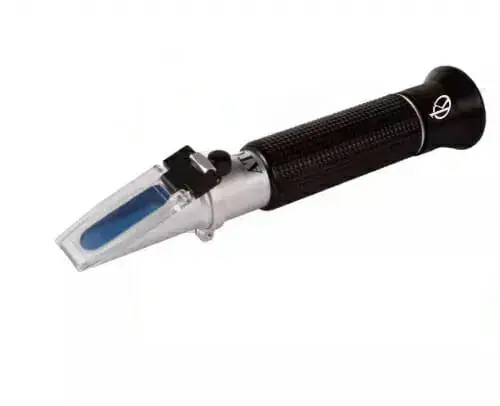
Wine Refractometers: Best Techniques and Protocols in 2026
In the field of wine production and testing, refractometers have become indispensable tools for providing precise measurements of sugar content, alcohol content, and other vital parameters. Understanding how to effectively utilize these instruments can significantly influence the quality of wine produced. This article will explore the applications, best practices, and the latest techniques for using wine refractometers in 2026.
What is it used for in 2026
In 2026, wine refractometers are primarily used for measuring the sugar content in grapes and must, determining alcohol content, and assessing the quality of wine. These tools are essential in the winemaking process, allowing vintners to make informed decisions throughout fermentation and blending. By offering rapid and accurate readings, refractometers assist in monitoring progress and enhancing the final product's quality.
History and evolution of the technology
The use of refractometers dates back to the early 19th century, primarily for measuring the refractive index of liquids. Over the decades, advancements in optics and material science led to the development of more compact and precise instruments suitable for various applications, including winemaking. Today's wine refractometers boast features such as automatic temperature compensation (ATC), enabling more accurate readings across varied environmental conditions, which has become crucial in modern laboratory settings.
How to use it step by step
Using a wine refractometer effectively involves several straightforward steps:
- Calibrate the Refractometer: Ensure the device is calibrated according to the manufacturer’s instructions, typically using distilled water.
- Prepare the Sample: Collect a small sample of the wine or grape juice to be tested. Make sure it is free from particulates that could interfere with the reading.
- Apply the Sample: Place a few drops of the sample on the prism of the refractometer and close the cover to ensure an even spread.
- Take the Reading: Look through the eyepiece to read the scale, which will indicate the sugar content or alcohol percentage based on the model used.
- Record the Data: Write down the readings for future reference and analysis.
Best techniques and protocols
To achieve optimal results when using wine refractometers, consider the following techniques:
- Ensure samples are at the recommended temperature (typically 20°C) for accurate measurements.
- Clean the prism after each use to prevent cross-contamination between samples.
- Perform multiple readings on the same sample to ensure consistency and accuracy.
- Utilize proper calibration techniques regularly to maintain the device’s accuracy.
- Follow the manufacturer’s guidelines for specific usage instructions and best practices.
Practical applications by laboratory type
Wine refractometers find applications across various laboratory settings:
Quality Control Laboratories
In quality control labs, refractometers are used to monitor the sugar and alcohol content of wine regularly, ensuring product consistency.
Research and Development Labs
In R&D, these tools assist in developing new wine varieties by analyzing different grape musts and fermentation processes.
Educational Institutions
Universities and colleges utilize refractometers in teaching winemaking techniques, providing students with hands-on experience.
Regulations, standards and certifications
The usage of wine refractometers is subject to various regulations aimed at ensuring product quality and safety. Organizations such as the International Organization of Vine and Wine (OIV) provide guidelines on acceptable measurement standards. Compliance with these standards is critical for manufacturers and laboratories involved in wine production.
Comparison with alternative technologies
While wine refractometers are popular, they face competition from other technologies:
- Hydrometers: These devices measure the specific gravity of liquids but can be less accurate compared to refractometers.
- Infrared Analyzers: Offer non-destructive testing options but may require more extensive calibration and setup.
- Chromatography: Used for detailed analysis, but it is more time-consuming and expensive compared to refractometers.
Comparison of available models
| Model | Best for | Key specs | Recommended use case |
|---|---|---|---|
| YR05931 | Measuring alcohol content | 0-80%v/v, ±1%v/v | Ideal for quick assessments in the fermentation process. |
| YR05932 | Measuring Brix and alcohol | 0-25%Vol 0-40%Brix, ±0.2%Vol | Useful for monitoring grape must before fermentation. |
| YR05933 | Measuring sugar and °Oe | 0-25%Vol 0-170°Oe, ±0.2%Vol | Great for assessing the sweetness level of wine. |
| YR05934 | Measuring Baume and Brix | 0-20%Baume, ±0.2%Baume | Effective for evaluating the density of grape juice. |
| YR05935 | General wine analysis | 0-25%Vol, ±0.2%Vol | Versatile for various testing scenarios in winemaking. |
| YR05936 | Comprehensive readings | 0-25%Vol, ±0.2%Vol | Recommended for detailed wine composition analysis. |
Common mistakes and how to avoid them
Laboratory professionals often encounter several pitfalls when using wine refractometers:
- Neglecting to calibrate the refractometer regularly can lead to inaccurate readings.
- Using samples that are too hot or too cold will affect the accuracy of the measurements.
- Failing to clean the prism can result in contamination and skewed results.
- Not recording multiple readings can overlook variations in sample composition.
Maintenance, calibration and good practices 2026
To ensure optimal performance in 2026, adhere to these maintenance and calibration practices:
- Calibrate with distilled water before and after each use.
- Store the refractometer in a protective case to avoid physical damage.
- Regularly clean the prism with a soft cloth and appropriate cleaning solution.
- Conduct performance checks periodically to confirm accuracy.
Cost-benefit analysis 2026
Investing in a quality wine refractometer offers substantial benefits compared to its costs. With prices ranging from $9.50 to $10.00 for various models, these tools provide quick, reliable data essential for maintaining quality control in wine production. The ability to make timely adjustments based on accurate measurements can lead to enhanced product quality and ultimately contribute to increased sales and customer satisfaction.
Frequently asked questions
How often should I calibrate my wine refractometer?
It is recommended to calibrate your refractometer before each use, especially if you are measuring different samples or after extended periods of non-use.
What temperature should the samples be for accurate readings?
Samples should ideally be at room temperature (20°C) for the most accurate readings, as temperature variations can affect the refractive index.
Can I use a refractometer for other liquids aside from wine?
Yes, wine refractometers can be used for other sugar-based liquids, such as fruit juices or syrups; however, be mindful of calibration for different liquids.
How do I clean my refractometer?
Clean the prism with a soft, lint-free cloth dampened with distilled water or a mild detergent. Avoid using abrasive materials that may scratch the surface.
What should I do if I get inconsistent readings?
If you receive inconsistent readings, ensure that the refractometer is calibrated correctly, the sample is properly prepared, and that you are following the manufacturer's instructions for usage.
What is the best model for a beginner?
The YR05932 model is a great starting point for beginners due to its dual scale for measuring Brix and alcohol content, making it versatile for various applications.
Where can I purchase high-quality refractometers?
You can request a quote on Kalstein Plus for high-quality refractometers that meet your laboratory needs.
If you are looking for a fusion of innovation and quality, you have come to the right place. At Kalstein, we offer you the luxury of exploring our exclusive catalog of laboratory equipment. We manufacture every device to the highest standards of excellence. Our intuitive and seamless online purchasing channels are designed for your convenience, securing the most competitive prices. Hesitate no longer — we bring science to life, it is time to become part of our community.