Veterinary Surgical Tools: Predictive Maintenance and Recommended Calibration for 2026
As the field of veterinary surgery advances, the need for reliable and efficient surgical tools becomes paramount. In 2026, the focus on predictive maintenance and regular calibration of veterinary surgical tools is set to reshape operational efficiency and enhance patient outcomes. This article delves into the critical aspects of maintenance and calibration for veterinary surgical tools, emphasizing their significance in ensuring optimal performance and reliability.
Understanding Predictive Maintenance in Veterinary Surgical Tools
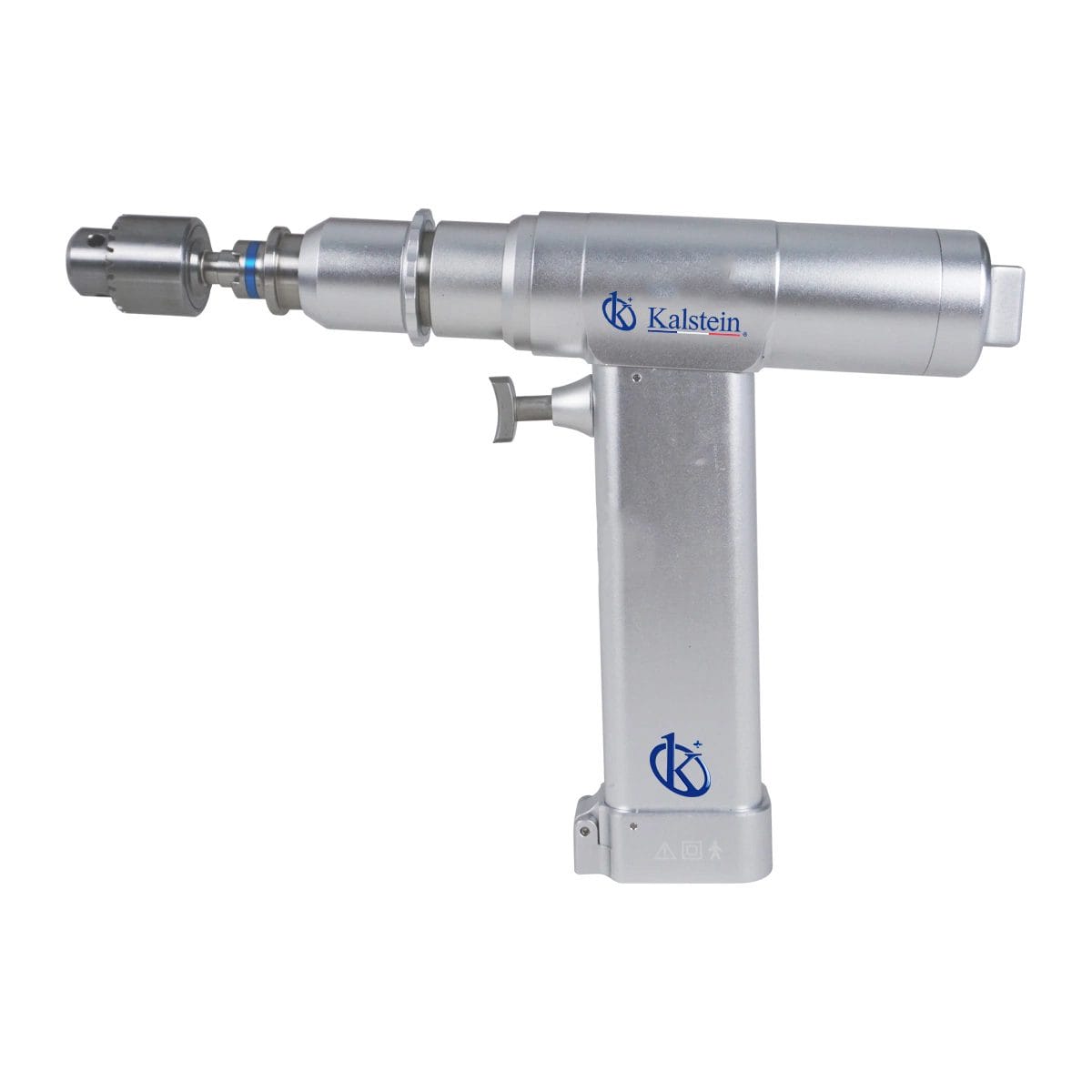
Predictive maintenance involves regularly monitoring equipment and predicting when maintenance should be performed. This proactive method is crucial for veterinary surgical tools, as it helps to minimize downtime and prevent unexpected failures. By employing predictive maintenance strategies, veterinary professionals can ensure that their surgical tools, such as the Electric Multifunction Tool YR06126 and Micro/Mini Multifunctional Veterinary Tool YR06127, remain in peak condition, ready for precise surgical procedures.
Recommended Calibration: Ensuring Accuracy and Precision
Calibration is a systematic process to ensure that surgical tools operate within specified limits. For veterinary surgical tools, regular calibration is essential to maintain accuracy in surgical procedures. The Veterinary TPLO Saw YR06128 exemplifies the importance of calibration, particularly in stabilizing knee joints of dogs after cruciate ligament ruptures. Regularly calibrating these tools helps mitigate risks associated with inaccurate measurements and ensures successful surgical outcomes.
Comparison of Available Models
| Model | Key Features | Calibration Frequency | Best Use Case |
|---|---|---|---|
| YR06126 | Multiple functions, quick adapter change | Every 6 months | Joint surgery, neurosurgery |
| YR06127 | Lightweight, ergonomic design, 360° oscillating saw | Every 6 months | Small animal surgery |
| YR06128 | High-strength stainless steel, optimized for TPLO | Every 6 months | TPLO surgeries |
Importance of Regular Maintenance in Surgical Procedures
Veterinary surgical tools experience a high level of usage, necessitating routine maintenance to ensure their functionality. The Electric Multifunction Tool YR06126, for instance, provides versatile applications, making it essential to conduct regular checks on its components to ensure reliability during surgeries. Additionally, identifying wear and tear early on helps avoid potential complications during operations.
Common Calibration Mistakes and How to Avoid Them
Calibration errors can lead to disastrous outcomes in surgical procedures. A common mistake is neglecting to follow the manufacturer's recommendations for calibration intervals. For example, the Micro/Mini Multifunctional Veterinary Tool YR06127 should be calibrated every six months to ensure optimal performance. Another pitfall is using incorrect calibration standards, which can compromise the accuracy of surgical tools. Adhering strictly to calibration protocols minimizes these risks.
Essential Calibration Metrics for Veterinary Surgical Tools
| Model | Calibration Interval | Verification Method | Traceability Standards |
|---|---|---|---|
| YR06126 | 6 months | Functional testing | ISO 9001 |
| YR06127 | 6 months | Visual inspection | ISO 13485 |
| YR06128 | 6 months | Performance evaluation | ISO 15189 |
Benefits of Predictive Maintenance Strategies
Implementing predictive maintenance strategies for veterinary surgical tools not only reduces the risk of breakdowns but also enhances overall productivity. Keeping tools like the Veterinary TPLO Saw YR06128 in optimal condition allows for smoother surgical procedures, reducing stress for both veterinary staff and patients. Furthermore, predictive maintenance can lead to cost savings by extending the lifespan of tools and minimizing repair costs.
Future Trends in Veterinary Surgical Tool Maintenance and Calibration
As technology evolves, the future of veterinary surgical tool maintenance and calibration is likely to involve increased automation and the use of AI-powered monitoring systems. Such advancements will provide real-time data on tool performance and maintenance needs. This proactive approach will revolutionize how veterinary practices manage their surgical tools, ensuring the highest standards of care.
Frequently Asked Questions
What is the significance of predictive maintenance for veterinary surgical tools in 2026?
Predictive maintenance is crucial for veterinary surgical tools as it minimizes downtime and prevents unexpected failures. Tools like the Electric Multifunction Tool YR06126 benefit from such strategies, ensuring they are always ready for critical surgeries, which is essential for maintaining high standards of animal care.
How often should veterinary surgical tools be calibrated for optimal performance?
Veterinary surgical tools should typically be calibrated every six months to ensure accuracy and reliability. For instance, the Micro/Mini Multifunctional Veterinary Tool YR06127 requires this regular calibration to maintain its performance during surgical procedures.
What are the common mistakes in the calibration of veterinary surgical tools?
Common calibration mistakes include neglecting manufacturer recommendations for intervals and using incorrect calibration standards. For example, failing to calibrate the Veterinary TPLO Saw YR06128 bi-annually could lead to inaccurate surgical outcomes.
How does predictive maintenance improve the reliability of veterinary surgical tools?
Predictive maintenance improves reliability by identifying potential issues before they lead to tool failure. Regular checks ensure that tools like the YR06126 are operating optimally, which is critical during high-stakes veterinary surgeries.
What role does calibration play in veterinary surgical outcomes?
Calibration plays a vital role in ensuring that veterinary surgical tools operate within precise parameters. For instance, the YR06128 must be accurately calibrated to ensure successful TPLO surgeries, which rely heavily on precision.
Which veterinary surgical tool is best suited for small animal surgery?
The Micro/Mini Multifunctional Veterinary Tool YR06127 is particularly well-suited for small animal surgery due to its lightweight design and versatility, making it an ideal choice for delicate surgical procedures.
How can veterinary practices integrate predictive maintenance into their workflows?
Veterinary practices can integrate predictive maintenance by implementing scheduled inspections and utilizing monitoring software to track tool performance metrics. This approach can significantly enhance the reliability of tools like the YR06126 in surgical settings.
What are the financial benefits of regular calibration and maintenance of surgical tools?
Regular calibration and maintenance can lead to significant cost savings by extending the lifespan of surgical tools and reducing the frequency of repairs. Investing in tools like the YR06128 ensures that veterinary practices maintain high operational efficiency.
If you are looking for a fusion of innovation and quality, you have come to the right place. At Kalstein, we offer you the luxury of exploring our exclusive catalog of laboratory equipment. We manufacture every device to the highest standards of excellence. Our intuitive and seamless online purchasing channels are designed for your convenience, securing the most competitive prices. Hesitate no longer — we bring science to life, it is time to become part of our community.