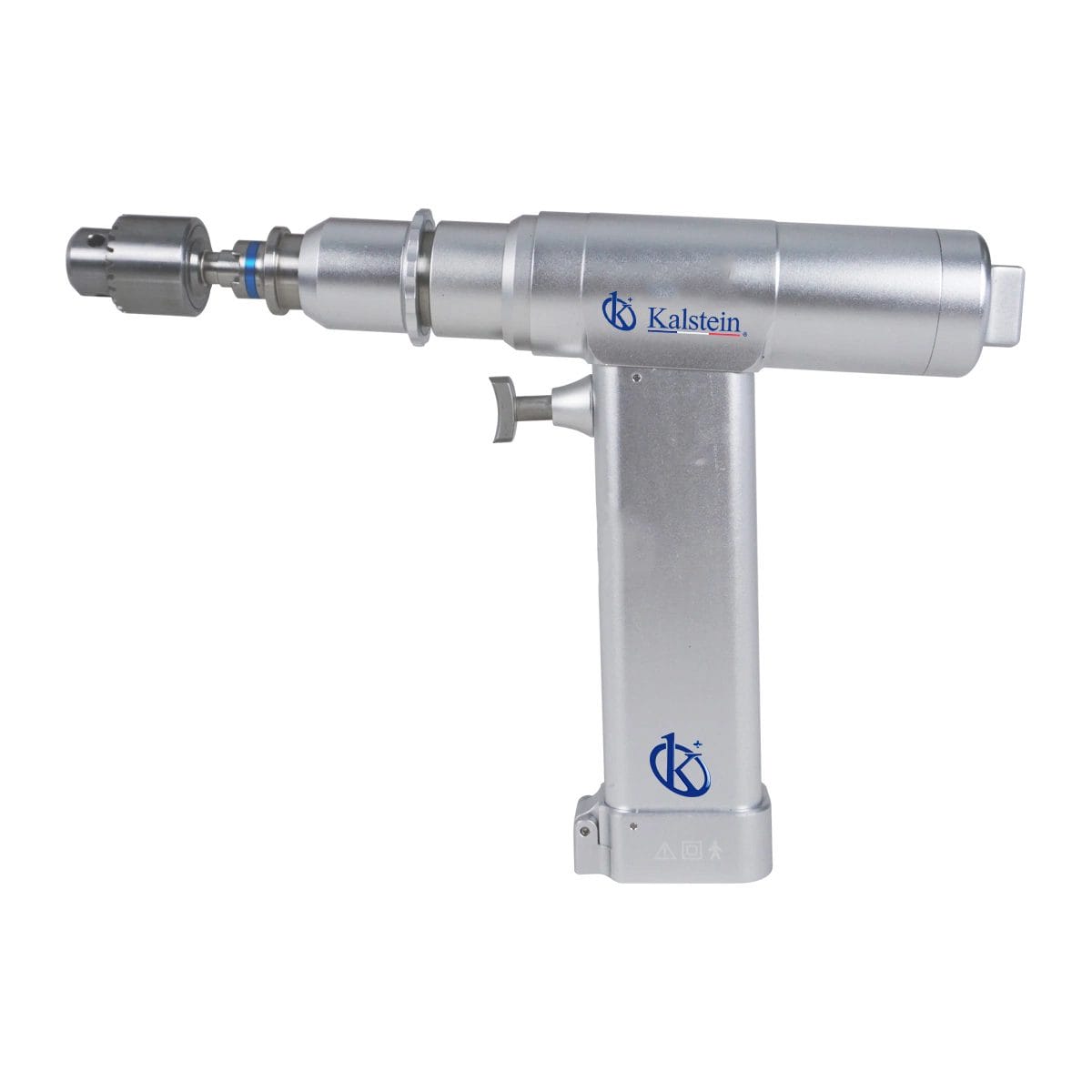
Veterinary Surgical Tools: Practical Applications and Techniques 2026
Veterinary surgical tools are critical instruments used in various animal surgeries. In 2026, advancements in technology have improved the functionality and efficiency of these tools. This guide aims to provide laboratory professionals with a comprehensive understanding of how to effectively use these instruments, including their applications, best practices, and workflows.
What is it used for in 2026
Veterinary surgical tools are used for a variety of surgical procedures including orthopedic surgeries, soft tissue surgeries, and emergency interventions. In 2026, these tools have evolved to incorporate multifunctionality, allowing for greater versatility in surgical applications. Key areas of usage include:
- Joint surgeries, including arthroscopy and stabilizations.
- Trauma surgeries, addressing fractures and soft tissue injuries.
- Neurosurgery for conditions affecting the brain and spinal cord.
- Cardiac surgeries, particularly in emergency situations.
History and evolution of the technology
The technology behind veterinary surgical tools has undergone significant evolution over the years. Initially, these tools were simple hand-operated devices. However, advancements in electrical and battery-operated tools have transformed how surgeries are performed. In 2026, tools like the Electric Multifunction Tool for Veterinary Surgery YR06126 and the Micro/Mini Multifunctional Veterinary Tool for Small Animals YR06127 showcase the shift towards multifunctionality and user-friendly designs. This evolution has improved the precision of surgeries and reduced recovery times for animals.
How to use it step by step
Using veterinary surgical tools effectively requires a systematic approach. Below is a step-by-step guide on how to utilize these tools:
- Preparation: Ensure that all tools are sterilized according to veterinary standards.
- Selection: Choose the appropriate tool based on the surgical procedure.
- Setup: Assemble any necessary attachments or accessories required for the specific surgery.
- Testing: Perform a function test to ensure the tool operates correctly before beginning the surgery.
- Execution: Follow standard surgical protocols while using the tool, maintaining focus on the task.
- Post-surgery: Clean and sterilize the tools post-use to prepare for future procedures.
Best techniques and protocols
To maximize the effectiveness of veterinary surgical tools, the following techniques and protocols are recommended:
- Ergonomics: Utilize tools designed with ergonomic considerations to reduce fatigue during procedures.
- Team Communication: Maintain clear communication among team members to enhance workflow efficiency.
- Continuous Education: Engage in ongoing training sessions to stay updated on the latest surgical techniques and tool usage.
Practical applications by laboratory type
Different veterinary laboratories may require specific applications for surgical tools:
- Small Animal Clinics: Focus on tools designed for small animal surgeries, such as YR06127, which is ideal for delicate procedures.
- Emergency Veterinary Services: Use robust tools that are reliable under pressure, such as the Veterinary TPLO Saw YR06128 for urgent cases.
- Research Laboratories: Employ tools that can assist in surgical research, analyzing outcomes of various techniques.
Regulations, standards and certifications
Veterinary surgical tools must comply with regulations and standards to ensure safety and efficacy. These include:
- Compliance with local and international veterinary regulations.
- Certification from recognized bodies ensuring the tools meet safety standards.
- Regular audits and inspections to maintain compliance.
Comparison with alternative technologies
Veterinary surgical tools can be compared with alternative technologies like traditional hand tools or manual devices. Key differences include:
- Efficiency: Electric and battery-powered tools offer quicker operation compared to manual tools.
- Precision: Advanced instruments provide higher precision in surgeries, resulting in better outcomes.
- Ease of Use: Modern designs often enhance usability, reducing the burden on veterinary professionals.
Comparison of available models
| Model | Best for | Key specs | Recommended use case |
|---|---|---|---|
| YR06126 | Versatile surgical applications | Output power: ≥ 130W, Battery voltage: 14.4V | Ideal for complex surgeries, including joint and cardiac operations. |
| YR06127 | Small animal surgeries | Output power: ≥ 50W, Battery voltage: 7.2V | Perfect for delicate procedures on small pets. |
| YR06128 | TPLO surgeries | Operating frequency: 0-16000 Hz, Battery voltage: 12V | Best for stabilizing cruciate ligament injuries in dogs. |
Common mistakes and how to avoid them
Several common mistakes can occur when using veterinary surgical tools. Here’s how to avoid them:
- Neglecting Sterilization: Always ensure tools are properly sterilized before use to prevent infection.
- Ignoring User Manuals: Familiarize yourself with each tool’s manual for correct usage and maintenance.
- Inadequate Training: Participate in training sessions to improve proficiency with new tools.
Maintenance, calibration and good practices 2026
Proper maintenance and calibration of veterinary surgical tools are key to their longevity and performance. Recommended practices include:
- Regularly inspect tools for wear and damage.
- Calibrate tools as per manufacturer instructions to ensure accuracy.
- Store tools in a clean, dry place to prevent deterioration.
Cost-benefit analysis 2026
When considering the investment in veterinary surgical tools, a cost-benefit analysis can help determine their value:
- Initial Costs: While upfront costs may be high, the efficiency gained can save time and resources in the long run.
- Long-Term Savings: Improved surgical outcomes can lead to better patient recovery and reduced follow-up costs.
- Increased Capability: The versatility of modern tools can expand the range of services offered, attracting more clients.
Frequently asked questions
What should I consider when choosing veterinary surgical tools?
Consider the type of surgeries you will perform, the size of the animals, and the specific features of each tool, including usability, power output, and versatility.
How can I ensure the longevity of my surgical tools?
Regular maintenance, proper sterilization, and following the manufacturer's guidelines for care and storage will extend the life of your tools.
What are the advantages of electric surgical tools over manual ones?
Electric surgical tools provide more power, precision, and ease of use, leading to faster surgeries and improved outcomes.
How frequently should I calibrate my surgical tools?
Calibration should be performed according to the manufacturer's recommendations, usually after a certain number of uses or if the tool shows signs of inaccuracy.
What safety precautions should I take when using surgical tools?
Always wear appropriate personal protective equipment, ensure tools are sterilized before use, and follow proper handling procedures to minimize risks.
Can I use these tools for different types of animals?
Yes, many veterinary surgical tools are designed for versatility and can be used across various animal species, but ensure they are appropriate for the size and type of animal.
How can I get a quote for veterinary surgical tools?
Please request a quote through our online channels for a personalized estimate based on your specific needs.
If you are looking for a fusion of innovation and quality, you have come to the right place. At Kalstein, we offer you the luxury of exploring our exclusive catalog of laboratory equipment. We manufacture every device to the highest standards of excellence. Our intuitive and seamless online purchasing channels are designed for your convenience, securing the most competitive prices. Hesitate no longer — we bring science to life, it is time to become part of our community.