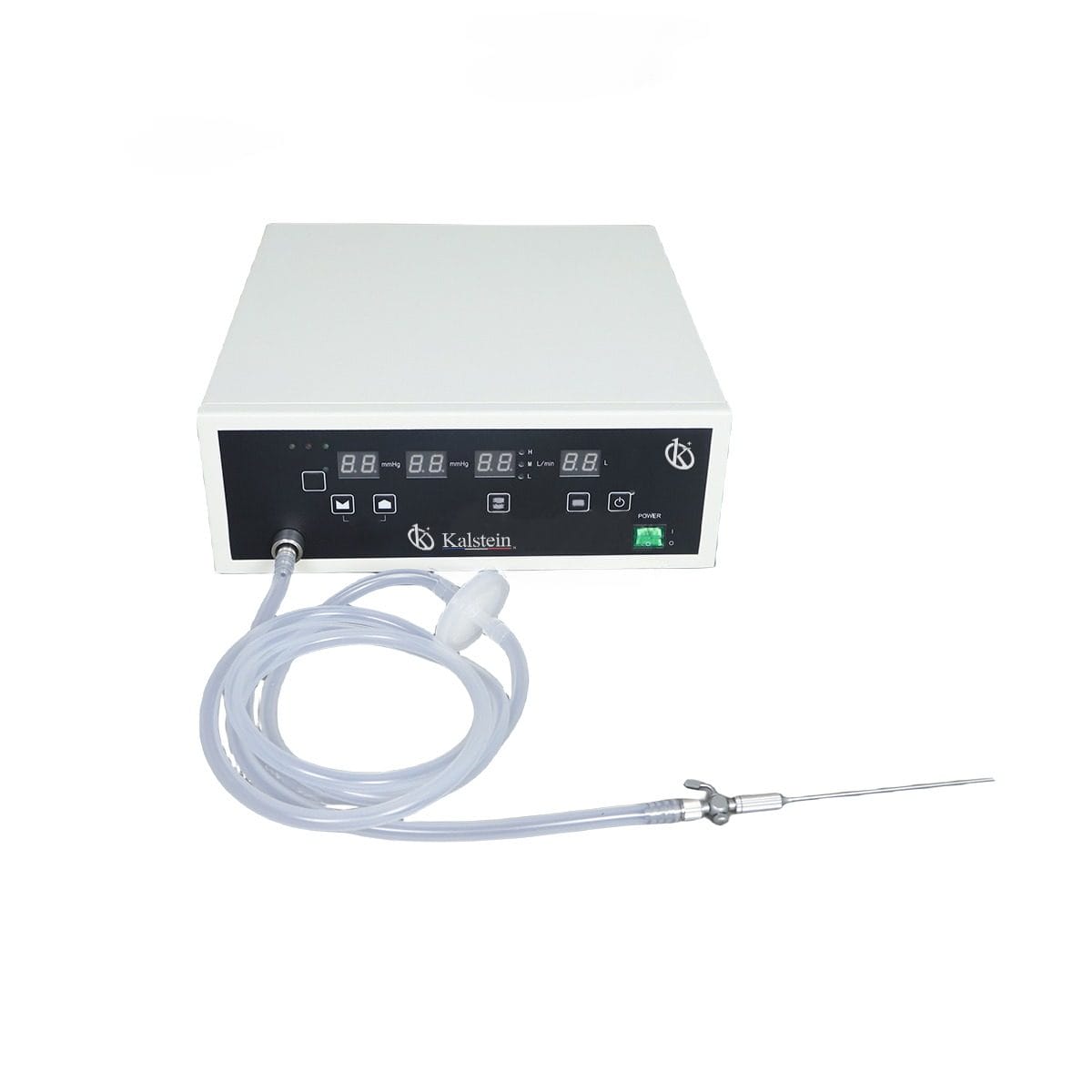
Veterinary Laparoscopy System: Applications in Research, Biotechnology, and Academia 2026
What is it used for in 2026
The Veterinary Laparoscopy System is a crucial tool in modern veterinary practices, especially in surgical procedures involving minimally invasive techniques. In 2026, it is widely utilized for diagnosing and treating various conditions in animals. The system is particularly effective in surgeries on small animals such as dogs and cats, where it provides improved visibility and precision. Additionally, these systems have become essential in research and educational settings, aiding in the training of veterinary students and professionals.
History and evolution of the technology
The evolution of veterinary laparoscopy began with the introduction of endoscopic procedures in human medicine during the late 20th century. As advancements in technology progressed, these techniques were adapted for veterinary use, leading to the development of specialized equipment that caters to the needs of small and large animals alike. Over the years, the incorporation of high-definition imaging and advanced insufflation systems has revolutionized the field, making surgeries safer and more efficient. The transition to digital systems has further enhanced the capabilities of veterinary laparoscopy, allowing for better documentation and analysis of procedures in research settings.
How to use it step by step
Using a Veterinary Laparoscopy System involves several critical steps to ensure a successful surgical outcome:
- Preparation: Ensure that all equipment is sanitized and tested before the procedure. Prepare the animal by fasting and administering pre-anesthetic medication as required.
- Setup: Connect the insufflator, camera, and light source. Verify that all settings are adjusted according to the planned procedure. For example, select the appropriate flow rate on the insufflator.
- Anesthesia: Induce anesthesia in the patient and monitor vital signs throughout the procedure.
- Insufflation: Utilize the insufflator to create a pneumoperitoneum, ensuring that the pressure is maintained at a safe level.
- Surgery: Insert the laparoscope and other necessary instruments through small incisions. Utilize the camera to visualize the surgical site and conduct the required procedure.
- Closure: After completing the surgery, remove instruments and deflate the abdomen. Close incisions with appropriate sutures or staples.
- Post-operative care: Monitor the patient during recovery, ensuring that anesthesia is wearing off safely and the patient is stable.
Best techniques and protocols
In the context of veterinary laparoscopy, employing best practices and techniques is vital for success:
- Use high-definition imaging: To enhance visualization during procedures, ensuring that all structures are clearly seen.
- Maintain a sterile environment: Essential to prevent infections; all instruments and surfaces must be disinfected.
- Effective communication: Between the surgical team is crucial to coordinate movements and actions during surgery.
- Follow established protocols: For specific procedures to ensure consistency and safety, particularly for common surgeries such as spays and neuters.
Practical applications by laboratory type
Different laboratory types utilize the Veterinary Laparoscopy System in various ways:
- Research Laboratories: Utilize the system for experimental surgeries, allowing for observation of surgical outcomes and techniques.
- Veterinary Clinics: Implement the system for routine spays, neuters, and exploratory surgeries, benefiting from reduced recovery times and patient discomfort.
- Academic Institutions: Use the equipment for teaching purposes, offering students hands-on experience with laparoscopic techniques.
Regulations, standards and certifications
In 2026, various regulations and standards govern the use of veterinary surgical equipment, including the Veterinary Laparoscopy System. Compliance with industry standards is crucial for ensuring animal welfare and procedural safety. Equipment must be certified by relevant authorities, and operators should have appropriate training and credentials. Regular audits and inspections help maintain high standards in veterinary practices.
Comparison with alternative technologies
While the Veterinary Laparoscopy System is highly effective, it can be compared with alternative surgical techniques:
- Traditional Open Surgery: Involves larger incisions and longer recovery times, making it less favorable compared to laparoscopic methods.
- Endoscopic Techniques: Similar to laparoscopy, it provides excellent visualization but might lack the versatility required for surgical interventions.
- Robotic Surgery: Offers enhanced precision but is often cost-prohibitive and may not be practical for smaller veterinary practices.
Comparison of available models
| Model | Best for | Key specs | Recommended use case |
|---|---|---|---|
| YR06157 | Small animal surgeries | Flow rate: 4L/min, 6L/min, 10L/min; Pressure range: 0.67kPa-3.30kPa | Ideal for laparoscopic procedures needing controlled insufflation |
| YR06156 | High-definition imaging | Power: ≥30W; Resolution: 1920*1080 | Best for variable placement in diverse surgical settings |
| YR06158 | Large volume insufflation | Flow rate: 2L/min-40L/min; Noise: ≤50dB(A) | Recommended for extensive laparoscopic surgeries |
Common mistakes and how to avoid them
To ensure successful outcomes, avoid these common pitfalls when using veterinary laparoscopy:
- Inadequate preparation: Always verify that all equipment is functioning correctly prior to surgery.
- Improper patient positioning: Ensure that the patient is correctly positioned to allow easy access during the procedure.
- Neglecting post-operative monitoring: Always monitor the patient closely during recovery to identify any complications early.
Maintenance, calibration and good practices 2026
Proper maintenance and calibration of the Veterinary Laparoscopy System are essential for optimal performance:
- Regular cleaning: Ensure all components are cleaned and disinfected after each use.
- Scheduled calibrations: Follow manufacturer guidelines for regular calibration to maintain accuracy and safety.
- Training and workshops: Keep personnel updated with the latest techniques and equipment handling protocols.
Cost-benefit analysis 2026
In 2026, the investment in a Veterinary Laparoscopy System offers various benefits that outweigh the initial costs:
- Increased efficiency: Minimally invasive procedures lead to shorter recovery times and higher patient turnover.
- Enhanced patient outcomes: Reduces pain and complications associated with traditional surgeries.
- Training opportunities: Provides a platform for training veterinary students, enhancing educational offerings.
Frequently asked questions
What should I consider when choosing a Veterinary Laparoscopy System?
When selecting a system, consider factors such as the intended use (e.g., types of surgeries), available budget, and compatibility with existing equipment. Additionally, look into the specifications like image quality and insufflation capability.
How can I ensure effective use of the Veterinary Laparoscopy System?
To maximize effectiveness, ensure thorough training for all operators, maintain equipment regularly, and follow established protocols for each procedure.
What types of surgeries are best suited for laparoscopy?
Laparoscopy is particularly effective for spays, neuters, biopsies, and exploratory surgeries. It allows for minimal incision and reduced recovery time.
How do I maintain the equipment for longevity?
Regular cleaning, proper calibration, and adherence to manufacturer guidelines are essential for maintaining the equipment in good working condition.
What are the common complications associated with laparoscopic surgeries?
Potential complications can include bleeding, infection, and injury to surrounding organs. Proper technique and equipment use can mitigate these risks.
Can I use the system for teaching purposes?
Yes, the Veterinary Laparoscopy System is excellent for educational settings, allowing students to observe and practice surgical techniques under supervision.
How can I request a quote for the Veterinary Laparoscopy System?
Please reach out through our customer service channels to request a quote tailored to your needs.
If you are looking for a fusion of innovation and quality, you have come to the right place. At Kalstein, we offer you the luxury of exploring our exclusive catalog of laboratory equipment. We manufacture every device to the highest standards of excellence. Our intuitive and seamless online purchasing channels are designed for your convenience, securing the most competitive prices. Hesitate no longer — we bring science to life, it is time to become part of our community.