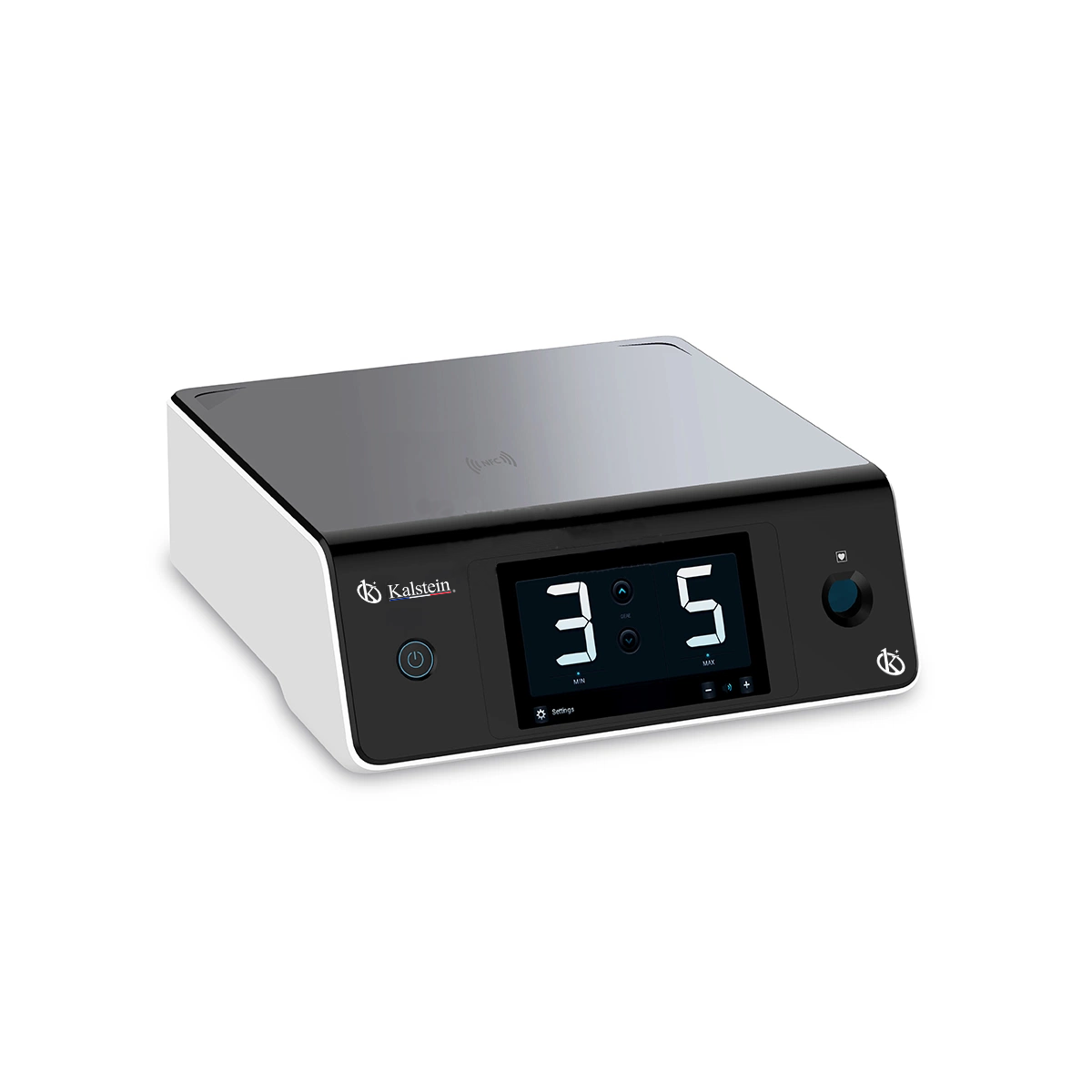
Veterinary Electrosurgical Units: Applications in Research, Biotechnology, and Academia 2026
What is it used for in 2026
Veterinary electrosurgical units play a vital role in modern veterinary practices across research, biotechnology, and academic settings. These devices are primarily utilized for cutting, coagulating, and sealing tissues, significantly enhancing surgical outcomes and reducing recovery times for animals. In 2026, their applications have expanded to include advanced procedures in soft tissue surgery, orthopedic surgeries, and laparoscopic techniques. Moreover, these units are essential in educational institutions where veterinary students learn and practice surgical skills under simulated conditions.
History and evolution of the technology
The evolution of electrosurgical technology dates back to the early 20th century, with the introduction of high-frequency electrical currents for surgical applications. Over the decades, advancements have led to the development of more sophisticated systems that provide enhanced precision, safety, and effectiveness. In the veterinary field, electrosurgical units have transformed from basic monopolar devices to complex systems with features such as bipolar capabilities, automatic feedback mechanisms, and multiple modes of operation. This progress has improved not only surgical efficacy but also the safety of both animals and veterinary personnel.
How to use it step by step
Using a veterinary electrosurgical unit involves several critical steps to ensure safety and effectiveness:
- Review the operating manual and familiarize yourself with the unit's components.
- Prepare the surgical site and ensure that all necessary instruments and supplies are available.
- Connect the electrosurgical unit to a suitable power source and ensure that it is grounded properly.
- Select the appropriate mode of operation based on the procedure (cutting, coagulation, etc.).
- Attach the suitable electrode for the procedure; this could be a scalpel tip for cutting or a grasping tool for coagulation.
- Conduct a pre-use self-test if available, to verify the unit's functionality.
- Begin the procedure, maintaining a steady hand and following best practices for tissue handling.
- Regularly check the unit's performance and adjust settings as necessary throughout the procedure.
- Post-surgery, disconnect the unit and clean all instruments as per the manufacturer's guidelines.
Best techniques and protocols
To maximize the benefits of veterinary electrosurgical units, practitioners should adhere to the following best techniques and protocols:
- Utilize the lowest effective power settings to minimize thermal damage to surrounding tissues.
- Employ continuous monitoring during procedures to adapt settings to the specific tissue conditions encountered.
- Incorporate the use of appropriate electrode types depending on the specific surgical application.
- Maintain a sterile environment to prevent infection during electrosurgical procedures.
- Follow established protocols for each type of surgery to ensure consistency and efficiency in outcomes.
Practical applications by laboratory type
Veterinary electrosurgical units find diverse applications across various laboratory types, including:
- Research Laboratories: Used for tissue studies and surgical techniques to develop new veterinary practices.
- Biotechnology Labs: Employed in genetic studies where tissue manipulation is crucial.
- Academic Institutions: Serve as educational tools for veterinary students to learn surgical methodologies.
- Clinical Veterinary Practices: Utilized in routine surgeries and advanced surgical procedures for pets and livestock.
Regulations, standards and certifications
Veterinary electrosurgical units must comply with a variety of regulations and standards to ensure safety and reliability:
- Devices must meet the standards set by the American National Standards Institute (ANSI).
- Units should be certified by the Food and Drug Administration (FDA) as medical devices.
- Compliance with international standards such as ISO 13485 is essential for systems used in biomedical applications.
Comparison with alternative technologies
When compared to alternative surgical technologies such as laser surgery or traditional scalpels, electrosurgical units offer unique advantages:
- Electrosurgery is less bleeding due to coagulation.
- Minimal equipment required compared to laser systems.
- More cost-effective for routine procedures than laser surgery.
Comparison of available models
| Model | Best for | Key specs | Recommended use case |
|---|---|---|---|
| YR06129 | Sealing small blood vessels | Output: 380 mA, Power: 690 VA | General surgical procedures requiring precision cutting |
| YR06130 | Multifunctional surgical applications | Max Power: 35 watts, LCD Display | Gastrointestinal and urological surgeries |
| YR06131 | Laparoscopic and open surgeries | Max Power: 300 watts, Automated | Large vessel sealing in complex surgeries |
| YR06132 | Variety of tissue types | Output: 300 W, 540 KHz | Open surgeries requiring extensive coagulation |
| YR06133 | Portable laser applications | Wavelength: 810nm/980nm, 15W Power | Soft tissue surgeries with laser precision |
| YR06134 | Enhanced laser applications | Wavelength: dual 810nm+980nm, 15W each | Advanced cases needing versatile laser use |
Common mistakes and how to avoid them
Professionals using veterinary electrosurgical units should be aware of common mistakes:
- Improper settings for tissue types can lead to excessive damage — always adjust settings according to the specific procedure.
- Not monitoring the tissue condition during electrosurgery can result in complications — maintain vigilance and adapt as necessary.
- Failure to maintain equipment can lead to malfunctions — adhere to a strict maintenance schedule.
Maintenance, calibration and good practices 2026
To ensure longevity and functionality of electrosurgical units, follow these maintenance practices:
- Regularly clean and inspect the unit after each use.
- Calibrate the device as per the manufacturer's recommendation — typically annually.
- Check cable connections and electrodes for wear and replace as needed.
Cost-benefit analysis 2026
The cost-benefit analysis of investing in veterinary electrosurgical units must consider:
- Initial costs versus long-term savings in time and resources during procedures.
- Improved patient outcomes can lead to higher client satisfaction and repeat business.
- Reduction in complication rates translates to savings on follow-up care.
Frequently asked questions
What factors should I consider when choosing a veterinary electrosurgical unit?
When choosing a unit, consider the type of surgeries you will perform, the unit's power capabilities, user-friendliness, and whether it meets regulatory standards.
How do I ensure the safety of the patient during electrosurgery?
To ensure safety, always follow proper protocols, monitor the patient's condition, and use the lowest effective settings to minimize tissue damage.
Can I use electrosurgical units for all types of surgeries?
While electrosurgical units are versatile, some specialized surgeries may require alternative technologies like lasers. Always evaluate the specific needs of the procedure.
What maintenance is required for these units?
Regular cleaning, periodic calibration, and inspection of cables and electrodes are essential for maintaining optimal performance of the equipment.
Is training necessary for using veterinary electrosurgical units?
Yes, training is crucial to understand the operation and ensure safe, effective use of electrosurgical units in veterinary procedures.
How can I integrate these units into my existing workflow?
Begin with a training program for staff, establish protocols for usage, and ensure that the units are accessible during surgical procedures.
If you are looking for a fusion of innovation and quality, you have come to the right place. At Kalstein, we offer you the luxury of exploring our exclusive catalog of laboratory equipment. We manufacture every device to the highest standards of excellence. Our intuitive and seamless online purchasing channels are designed for your convenience, securing the most competitive prices. Hesitate no longer — we bring science to life, it is time to become part of our community.