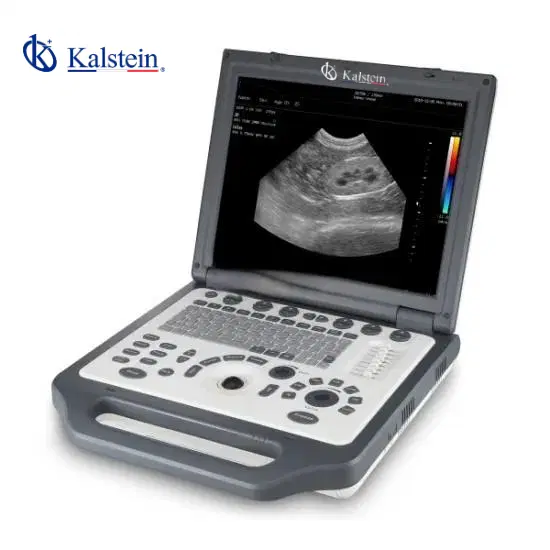
Veterinary Color Doppler: Practical Applications and Techniques 2026
What is it used for in 2026
The Veterinary Color Doppler technology is primarily used for diagnostic imaging in veterinary practices. This technique allows veterinarians to visualize blood flow and assess the health of various animal organs through non-invasive methods. In 2026, its applications span across numerous veterinary fields, including cardiology, obstetrics, and internal medicine.
Veterinary Color Doppler aids in the examination of heart conditions, monitoring of pregnancies in animals, and evaluation of other vascular structures. It provides real-time images that help in diagnosing conditions like heart murmurs, thrombosis, and assess organ perfusion.
History and evolution of the technology
Color Doppler ultrasound technology has evolved significantly since its inception. Initially developed in the 1960s for human medicine, it was gradually adapted for veterinary use. Early versions lacked the sophistication of today’s models, which now incorporate advanced imaging techniques and powerful processing capabilities to enhance diagnostic accuracy.
Over the decades, improvements in technology have led to the development of portable and user-friendly systems, making Veterinary Color Doppler accessible for use in various environments, including field veterinary practices.
How to use it step by step
Using Veterinary Color Doppler involves several steps to ensure accurate imaging and reliable results:
- Preparation: Ensure that the animal is calm and comfortable. Depending on the procedure, you may need to shave an area of fur to improve image clarity.
- Application of Gel: Apply a suitable ultrasound gel to the area of interest to facilitate sound wave transmission.
- Probe Selection: Choose the appropriate probe based on the animal's size and the area you wish to examine.
- Positioning: Position the animal to allow optimal access to the area being examined, ensuring that the probe maintains contact with the skin.
- Image Acquisition: Activate the Doppler mode and move the probe as necessary to capture images of blood flow and organ structure.
- Analysis: Review the acquired images in real-time, noting any abnormalities or areas of concern.
- Documentation: Save the images and document findings for further evaluation and treatment planning.
Best techniques and protocols
Implementing best practices when using Veterinary Color Doppler is crucial for achieving accurate and reliable results. Here are some recommended techniques:
- Utilize the proper frequency settings based on the animal species and the targeted tissue for optimal imaging.
- Regularly calibrate the equipment to ensure image quality and diagnostic accuracy.
- Engage in continuous training to stay updated on the latest techniques and features of the equipment.
- Maintain a clean and organized workspace to ensure the safety and comfort of both the animal and the practitioner.
Practical applications by laboratory type
Veterinary Color Doppler technology is employed in various laboratory settings:
- Emergency Veterinary Clinics: Used for rapid assessment of critical conditions such as hemorrhages and cardiac events.
- Diagnostic Laboratories: Facilitates detailed examinations for conditions like heart defects, vascular diseases, and organ dysfunctions.
- Research Laboratories: Utilized in studies involving animal physiology, pathology, and the development of new veterinary treatments.
Regulations, standards and certifications
In 2026, it is important for veterinary professionals to adhere to regulations and standards regarding the use of diagnostic imaging equipment. This includes ensuring compliance with safety standards, proper training, and certification for operators. Additionally, regular maintenance and calibration of devices must be documented to meet veterinary health and safety regulations.
Comparison with alternative technologies
While Veterinary Color Doppler is a powerful diagnostic tool, it is important to compare it with alternative technologies:
- X-ray: Useful for imaging bones and certain soft tissues but lacks real-time blood flow assessment.
- CT Scans: Offers detailed cross-sectional images but involves ionizing radiation, making it less preferable for some veterinary applications.
- Magnetic Resonance Imaging (MRI): Provides high-resolution images of soft tissues but is more expensive and less available in veterinary practices.
Comparison of available models
| Model | Best for | Key specs | Recommended use case |
|---|---|---|---|
| YR06139 | General diagnostics in various animals | High-resolution 15" LCD monitor, lightweight | Mobile use in clinics and fieldwork |
| YR06140 | Complex examinations | Advanced digital imaging, internal workstation | Large veterinary hospitals with data storage needs |
| YR06141 | High-volume diagnostic needs | Touchscreen monitor, multiple probe connectors | Veterinary practices needing extensive imaging capabilities |
Common mistakes and how to avoid them
To ensure effective use of Veterinary Color Doppler, avoid these common mistakes:
- Inadequate animal preparation: Always ensure the animal is properly prepared for the examination to avoid artifacts in imaging.
- Neglecting equipment maintenance: Regularly clean and calibrate equipment to maintain performance and accuracy.
- Improper probe selection: Use the appropriate probe based on the animal's size and the nature of the examination.
Maintenance, calibration and good practices 2026
Maintaining Veterinary Color Doppler equipment is key to its longevity and effectiveness:
- Implement a regular cleaning schedule for the probes and monitors.
- Follow manufacturer guidelines for calibration intervals and procedures.
- Keep software updated to ensure the latest features and improvements are available.
Cost-benefit analysis 2026
When considering the purchase of Veterinary Color Doppler equipment, evaluate the cost against the potential benefits:
- Cost: Initial investment can be significant, but the potential for increased diagnostic accuracy can justify the expense.
- Benefit: Enhanced diagnostic capabilities can lead to better patient outcomes, increased client satisfaction, and potential growth in practice revenue through expanded services.
Frequently asked questions
What should I consider when choosing a Veterinary Color Doppler system?
Consider factors such as the range of features, portability, ease of use, and the specific needs of your practice when selecting a system.
How often should I calibrate my Veterinary Color Doppler equipment?
Calibration should be performed regularly as per the manufacturer’s guidelines to ensure accuracy and reliability of results.
Can I use Veterinary Color Doppler for all animal species?
While it is effective for many species, ensure the chosen model and probes are suitable for the specific animal type you are examining.
What are the main advantages of using Veterinary Color Doppler?
The main advantages include non-invasive imaging, real-time visualization of blood flow, and the ability to diagnose various conditions effectively.
How can I ensure the best quality images during an examination?
Prepare the animal properly, use adequate gel, and select the appropriate probe and settings for the examination.
Is training necessary for using Veterinary Color Doppler systems?
Yes, proper training is essential to maximize the system's capabilities and to ensure accurate interpretations of images.
Where can I request a quote for Veterinary Color Doppler systems?
You can request a quote through our online platforms, where you can find detailed information on available models and pricing.
If you are looking for a fusion of innovation and quality, you have come to the right place. At Kalstein, we offer you the luxury of exploring our exclusive catalog of laboratory equipment. We manufacture every device to the highest standards of excellence. Our intuitive and seamless online purchasing channels are designed for your convenience, securing the most competitive prices. Hesitate no longer — we bring science to life, it is time to become part of our community.