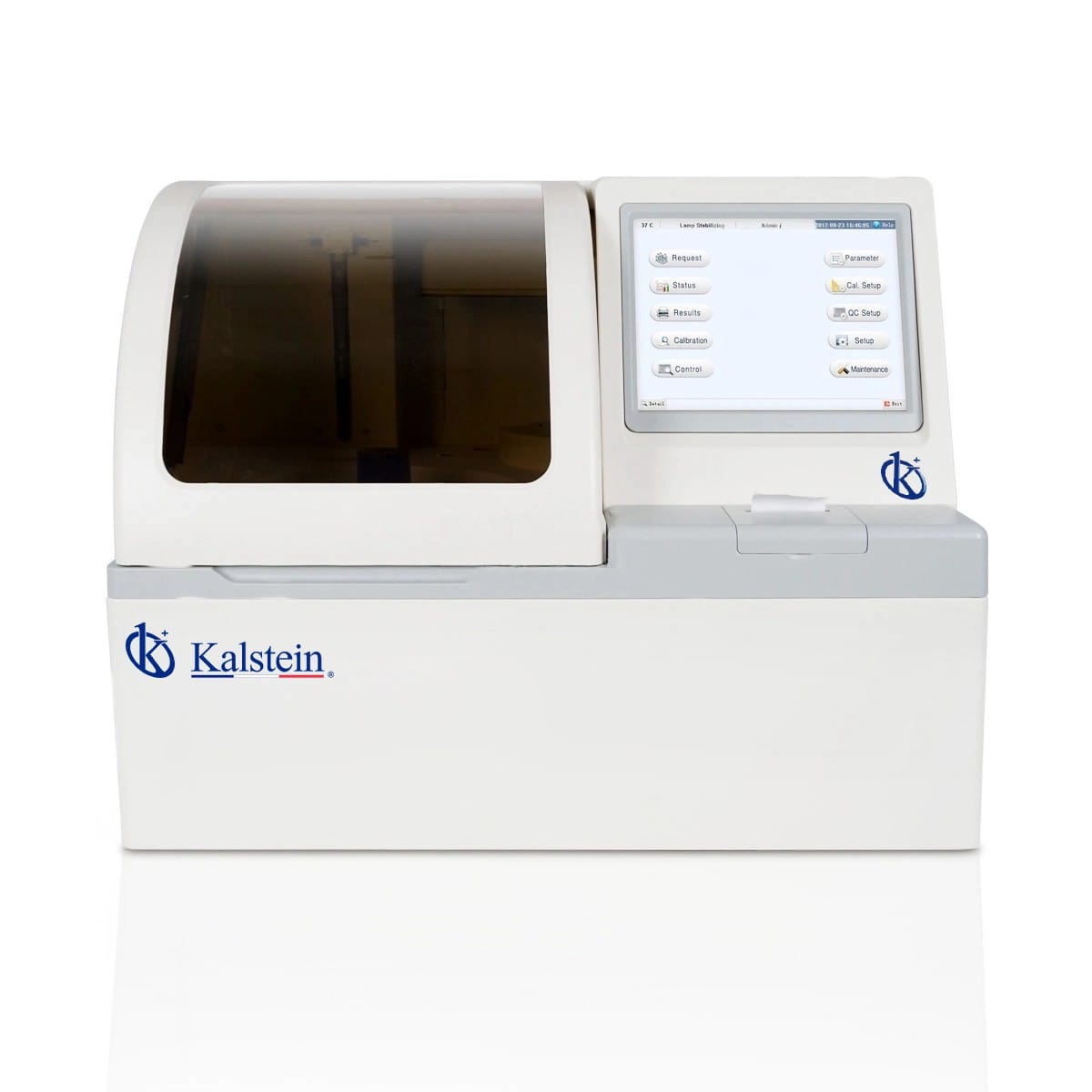
Veterinary Chemistry Analyzers: Practical Applications and Techniques 2026
The field of veterinary medicine relies heavily on precise diagnostics to provide effective treatment for animals. In 2026, Veterinary Chemistry Analyzers play a pivotal role in this process, offering veterinarians the ability to perform a wide range of biochemical tests efficiently. This article aims to provide a comprehensive guide on how to use these analyzers, their applications, techniques involved, and best practices tailored for laboratory professionals.
What is it used for in 2026
In 2026, Veterinary Chemistry Analyzers are primarily used for testing blood, urine, and other bodily fluids in animals. These analyzers enable veterinary professionals to obtain vital biochemical information, including enzyme levels, electrolyte balance, and metabolic status. They are essential in diagnosing various conditions such as kidney disease, liver dysfunction, and infectious diseases. The rapid processing capabilities allow for timely treatment decisions, ultimately improving animal health outcomes.
History and evolution of the technology
The evolution of Veterinary Chemistry Analyzers traces back to the basic laboratory tests performed by veterinarians in the early 20th century. As the demand for accurate diagnostics grew, technology advanced significantly. Early analyzers required substantial sample volumes and manual processing, which were time-consuming and prone to human error. The introduction of automated systems in the late 20th century revolutionized veterinary diagnostics, allowing for faster, more accurate results. Today's analyzers, equipped with advanced sensors and software, can perform multiple tests simultaneously with minimal sample sizes and user-friendly interfaces.
How to use it step by step
Using a Veterinary Chemistry Analyzer involves several key steps:
- Preparation: Ensure that the analyzer is properly calibrated and clean. Gather all necessary reagents and samples.
- Sample Collection: Collect the sample (blood, urine, etc.) using sterile techniques to avoid contamination.
- Sample Processing: Load the sample into the analyzer, adhering to volume requirements specific to the model being used.
- Running Tests: Select the appropriate test panel on the analyzer's interface and initiate the analysis.
- Obtaining Results: Review the results displayed on the screen. Most analyzers provide options to print results or send them to a data management system.
- Post-Analysis: Dispose of any waste materials according to laboratory safety regulations and clean the equipment as necessary.
Best techniques and protocols
To achieve optimal results with Veterinary Chemistry Analyzers, follow these best techniques and protocols:
- Always use fresh reagents and follow expiration dates to ensure accurate results.
- Calibrate the analyzer regularly according to the manufacturer's guidelines.
- Ensure that samples are processed within the recommended time frame to prevent degradation.
- Maintain a detailed log of all tests performed, including any anomalies or errors encountered.
- Regularly update software and firmware to enhance performance and security.
Practical applications by laboratory type
Veterinary Chemistry Analyzers find applications in various laboratory settings:
- Private Veterinary Clinics: Fast and accurate diagnostics facilitate immediate treatment decisions.
- Animal Hospitals: Critical care settings benefit from rapid testing for emergency cases.
- Research Laboratories: Used in studies focusing on animal health and disease management.
- Livestock Management: Monitoring the health of farm animals ensures optimal productivity and well-being.
Regulations, standards and certifications
In 2026, compliance with regulations such as the ISO 13485 for medical devices is crucial for manufacturers of Veterinary Chemistry Analyzers. Additionally, laboratories must adhere to guidelines set by governing bodies such as the FDA, ensuring that equipment meets safety and efficacy standards. Regular internal audits and quality control measures are essential to maintain compliance and certification.
Comparison with alternative technologies
While Veterinary Chemistry Analyzers are widely used, alternative technologies like point-of-care testing devices and traditional laboratory methods exist. Point-of-care devices offer rapid results but may lack the extensive testing capabilities of full analyzers. Traditional laboratory methods, while accurate, are often slower and more labor-intensive. Analyzers combine speed, accuracy, and a broad range of tests in a single device, making them the preferred choice in many veterinary practices.
Comparison of available models
| Model | Best for | Key specs | Recommended use case |
|---|---|---|---|
| YR06168 | High-volume testing | Performance of up to 100 tests/hour, micro-volume samples | Busy veterinary clinics requiring quick turnaround times |
| YR06169 | Portable testing | 8.4-inch touch screen, requires 100uL of blood for 16 results | Field testing and remote locations |
| YR06172 | Immunofluorescence analysis | 7-inch touch screen, battery-operated | Rapid analysis in clinics with limited space |
| YR06174 | Blood gas analysis | Multi-parameter testing, touch screen | Critical care scenarios in emergency clinics |
| YR06077 | Comprehensive chemistry tests | Supports 12 types of animals, optical system with 7 wavelengths | General veterinary practices for routine testing |
Common mistakes and how to avoid them
To ensure effective use of Veterinary Chemistry Analyzers, avoid these common mistakes:
- Failing to calibrate the analyzer regularly can lead to inaccurate results. Establish a calibration schedule and adhere to it.
- Not following sample volume requirements can result in test failure. Always double-check the specifications for each test.
- Ignoring maintenance protocols can lead to equipment failure. Set up a routine cleaning and maintenance plan.
- Overlooking software updates can compromise functionality. Monitor for updates and apply them promptly.
Maintenance, calibration and good practices 2026
Maintaining a Veterinary Chemistry Analyzer is vital for reliable performance. Regular calibration should be performed according to the manufacturer's specifications, typically involving standard solutions. Daily cleaning of sample compartments and regular checks of all mechanical components are recommended. Good practices also include maintaining a controlled environment to prevent contamination and damage to the equipment.
Cost-benefit analysis 2026
Investing in a Veterinary Chemistry Analyzer can yield significant returns for veterinary practices. The initial cost is often offset by the ability to perform tests in-house, reducing reliance on external laboratories and speeding up diagnosis. Additionally, enhanced accuracy and faster results improve patient outcomes, leading to higher client satisfaction and retention rates.
Frequently asked questions
What is the best way to collect samples for testing?
Samples should be collected using sterile techniques to prevent contamination. Ensure that the appropriate type of sample is being taken (e.g., blood, urine) and that it is processed as per the analyzer’s requirements.
How often should the analyzer be calibrated?
Calibration frequency depends on usage and manufacturer recommendations. Generally, weekly calibration or whenever a new batch of reagents is used is advised to ensure accuracy.
Can I use any reagent with the analyzer?
Using the manufacturer-recommended reagents is essential for optimal performance. Some analyzers may be open systems, but using non-validated reagents can affect results.
What should I do if I get an error message on the analyzer?
Consult the user manual for troubleshooting steps. If the issue persists, contact technical support for assistance to avoid potential damage to the analyzer.
How do I ensure accurate results from the analyzer?
To ensure accuracy, follow all operational protocols, calibrate regularly, use the correct samples, and keep the equipment clean and well-maintained.
What types of tests can I perform with these analyzers?
Veterinary Chemistry Analyzers can perform a wide variety of tests, including biochemical profiles, electrolyte levels, and enzyme activity tests, depending on the model and available panels.
How can I request a quote for a Veterinary Chemistry Analyzer?
You can request a quote by visiting our catalog or contacting our sales team for personalized assistance regarding your specific needs.
If you are looking for a fusion of innovation and quality, you have come to the right place. At Kalstein, we offer you the luxury of exploring our exclusive catalog of laboratory equipment. We manufacture every device to the highest standards of excellence. Our intuitive and seamless online purchasing channels are designed for your convenience, securing the most competitive prices. Hesitate no longer — we bring science to life, it is time to become part of our community.