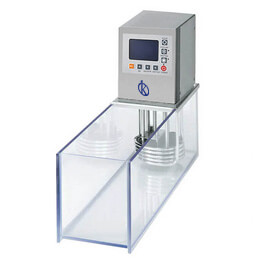
Transparent Water Baths: Common Mistakes and How to Avoid Them in Daily Operations 2026
What is it used for in 2026
Transparent water baths are essential in laboratory settings for various applications, including tissue culture, enzyme reaction studies, and growth observation studies. They provide a controlled environment with precise temperature regulation, allowing researchers to carry out experiments that require specific thermal conditions. As laboratory demands evolve, these baths continue to play a crucial role in facilitating accurate and reproducible results.
History and evolution of the technology
The concept of water baths dates back several decades, where simple heating elements were used to maintain liquid temperatures. Over the years, technological advancements have introduced innovative designs such as transparent water baths. These baths provide visibility of samples and enhanced thermal stability. Continuous improvements in temperature control mechanisms, insulation, and material quality have made modern water baths far more reliable and efficient than their predecessors.
How to use it step by step
- Prepare the equipment: Ensure that the water bath is clean and free of any residue from previous experiments.
- Fill with water: Add the appropriate amount of distilled or deionized water, ensuring that it is within the recommended level.
- Set the temperature: Use the control panel to set the desired temperature, which typically ranges from room temperature to 80°C.
- Wait for stabilization: Allow the water bath to reach and stabilize at the target temperature before placing any samples.
- Insert samples: Carefully place your samples in the bath, ensuring they are adequately submerged without overflowing.
- Monitor conditions: Regularly check the temperature and ensure that the samples are being maintained at the desired conditions.
- Cleaning: After use, clean the bath to prevent contamination for future experiments.
Best techniques and protocols
To maximize the efficacy of transparent water baths, follow these best practices:
- Always calibrate the temperature settings before use to ensure accuracy.
- Utilize a thermometer to verify the water bath temperature at various points in the chamber.
- Avoid overloading the bath with samples, as it may affect the temperature stability.
- Use protective equipment when handling hot samples or equipment to ensure safety.
- Establish a regular maintenance schedule to ensure the bath operates efficiently.
Practical applications by laboratory type
Different laboratories utilize transparent water baths based on their specific needs:
- Biological Research Labs: Used for tissue culture and maintaining optimal growth conditions.
- Chemical Laboratories: Facilitate enzyme reactions where temperature control is critical.
- Educational Institutions: Demonstrate thermal properties and reactions in a controlled setting.
Regulations, standards and certifications
Transparent water baths must adhere to various laboratory regulations and standards to ensure safety and performance. Compliance with ISO and ASTM standards ensures reliability and accuracy in laboratory measurements. Regular inspections and certifications from relevant authorities are also critical to maintaining operational standards.
Comparison with alternative technologies
While transparent water baths are popular, alternatives such as dry baths and incubators also exist. Each technology has its advantages:
- Dry Baths: These offer a compact design and quicker temperature response but lack the visibility of samples.
- Incubators: Provide environmental control beyond temperature, useful for specific biological applications, but are generally more complex and costly.
Comparison of available models
| Model | Best for | Key specs | Recommended use case |
|---|---|---|---|
| YR05080 | General laboratory use | Capacity: 10L, Temperature: RT to 80°C | Ideal for small-scale heating applications. |
| YR05081 | Tissue culture | Capacity: 16L, Temperature: RT to 80°C | Perfect for biological studies requiring precise temperature control. |
| YR05082 | Enzyme reaction studies | Capacity: 23L, Temperature: RT to 80°C | Best for larger samples and multiple simultaneous reactions. |
Common mistakes and how to avoid them
Laboratory professionals often face challenges when using transparent water baths. Here are some common mistakes and tips to avoid them:
- Not calibrating the equipment: Always ensure that the temperature settings are calibrated before use.
- Overloading the bath: Maintain the recommended load capacity to ensure uniform temperature distribution.
- Ignoring maintenance: Regular maintenance is crucial for optimal performance. Schedule routine checks and cleanings.
Maintenance, calibration and good practices 2026
To ensure longevity and accuracy, it is vital to:
- Regularly calibrate the temperature settings using an accurate thermometer.
- Clean the interior and exterior surfaces after every use to prevent contamination.
- Inspect electrical connections and components periodically to avoid malfunctions.
Cost-benefit analysis 2026
The investment in transparent water baths can lead to significant benefits, including improved precision, better reproducibility of results, and reduced time for experiments. The cost of maintenance and operation should be weighed against the advantages of enhanced laboratory capabilities.
Frequently asked questions
What should I consider when choosing a transparent water bath?
Consider the capacity, temperature range, and intended applications of the water bath. Ensure it meets your laboratory's specific needs and comply with any regulatory standards.
How do I ensure accurate temperature readings?
Regularly calibrate the water bath and cross-check the temperature with an external thermometer to confirm accuracy.
Can I use tap water in the water bath?
It is recommended to use distilled or deionized water to prevent mineral build-up and contamination that could affect your results.
What maintenance is required for transparent water baths?
Regular cleaning, calibration, and inspection of components are essential to maintain the equipment's performance and longevity.
Is it safe to leave samples unattended in a water bath?
It is not advisable to leave samples unattended, as fluctuations in temperature can lead to inaccurate results or damage to the samples.
Are there specific protocols for using transparent water baths in biological research?
Yes, protocols may vary based on the type of biological research. Always follow best practices for temperature control and sample handling specific to your experiments.
What should I do if the water bath is not heating properly?
First, check the electrical connections and settings. If the problem persists, consult the manufacturer's manual or reach out for technical support.
If you are looking for a fusion of innovation and quality, you have come to the right place. At Kalstein, we offer you the luxury of exploring our exclusive catalog of laboratory equipment. We manufacture every device to the highest standards of excellence. Our intuitive and seamless online purchasing channels are designed for your convenience, securing the most competitive prices. Hesitate no longer — we bring science to life, it is time to become part of our community.