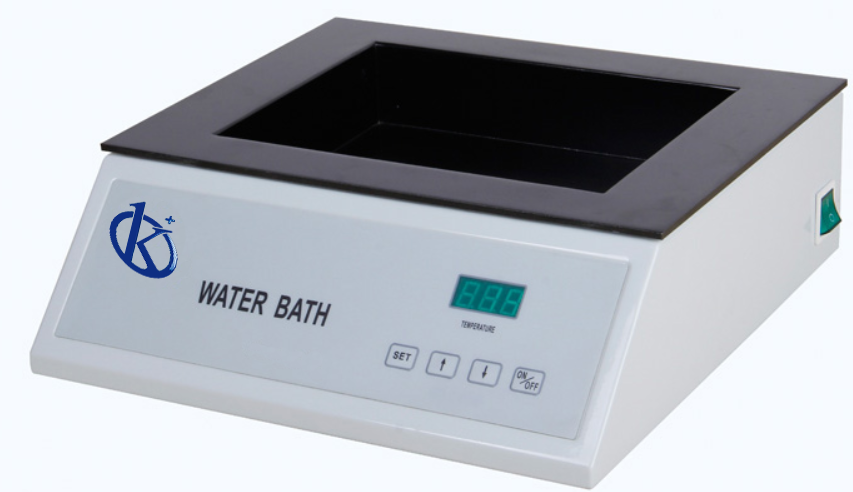
Tissue Water Baths: Energy Sustainability and Environmental Footprint Reduction 2026
In today’s laboratory environments, energy sustainability and environmental consciousness have become paramount. With the growing emphasis on reducing ecological footprints, laboratory equipment like tissue water baths are now being scrutinized for their energy efficiency and overall environmental impact. Various models are available, each designed to meet the operational needs of pathology labs while advancing sustainability goals. This article will delve into the energy-saving features of several tissue water bath models and their contributions to minimizing environmental impact.
Understanding Energy Sustainability in Laboratory Equipment
Energy sustainability in laboratory settings entails the efficient use of energy resources and the reduction of energy waste. Tissue water baths, critical for various laboratory procedures, can be optimized for energy use without compromising their performance. Understanding how different models approach energy efficiency is crucial for labs aiming to align with sustainability objectives.
Evaluating the Environmental Footprint of Tissue Water Baths
The environmental footprint of laboratory equipment can be broken down into several components: energy consumption, water usage, and the lifespan of the equipment. By selecting models designed with sustainability in mind, laboratories can reduce their overall environmental impact. Each model of tissue water bath offers distinct features that help in minimizing this footprint.
Model Insights: Energy Efficiency Features
Each model of tissue water bath presents unique specifications that cater to energy sustainability and environmental reduction:
- Water Bath YR449: Notable for its rapid heating and energy-saving element, it conserves energy while providing reliable temperature control.
- Water Bath YR451: Features an advanced microprocessor control that optimizes energy usage while monitoring real-time temperatures, ensuring accurate performance.
- Water Bath YR452: Offers high-quality construction and energy-efficient operation, focusing on practical user experience and longevity.
Comparison of Available Models
| Model | Temperature Range | Power Consumption (W) | Dimensions (mm) | Best for |
|---|---|---|---|---|
| YR449 | RT to 90℃ | 200 | 360 x 350 x 120 | General laboratory use |
| YR451 | 0 to 85℃ | 400 | 515 x 420 x 150 | High precision tasks |
| YR452 | RT to 75℃ | 500 | 515 x 420 x 160 | Tissue flotation and processing |
Concrete Strategies for Reducing Environmental Footprint
Laboratories aiming to reduce their environmental impact can adopt several strategies. Regular maintenance of water baths ensures they operate at optimal efficiency, reducing energy consumption. Implementing energy-efficient practices, such as turning off equipment when not in use and utilizing models with better insulation, contributes significantly to sustainability goals.
Common Mistakes and How to Avoid Them
When considering the purchase of tissue water baths, laboratories often fall into common traps. One major mistake is overlooking the energy specifications of the equipment. It is vital to choose models that not only meet operational needs but also contribute to energy savings. Additionally, neglecting proper training for staff on efficient usage can lead to higher energy consumption.
Future Trends in Tissue Water Bath Technology
Looking ahead, the trend towards miniaturization and energy efficiency is likely to shape the future of tissue water baths. Manufacturers are focusing on developing models that consume less energy and are equipped with smart technology for better monitoring. As the demand for sustainable solutions grows, laboratories must be prepared to adapt to these innovations.
Frequently Asked Questions
How does the Water Bath YR449 contribute to energy sustainability in laboratories?
The Water Bath YR449 features rapid heating capabilities and an energy-saving heating element, making it highly efficient for laboratory use. This model conserves energy without compromising temperature control, making it a suitable choice for labs focused on reducing their energy footprint.
What are the energy-saving features of the Water Bath YR451?
The Water Bath YR451 utilizes a microprocessor for automatic temperature control, enhancing its energy efficiency. By monitoring temperatures in real time, it minimizes energy waste, which is essential for laboratories aiming to adopt sustainable practices in 2026.
Which tissue water bath is best for reducing environmental impact in 2026?
The Water Bath YR452 is designed with high-quality materials and energy-efficient operation. Its focus on minimal energy consumption positions it as an ideal choice for labs seeking to lessen their environmental impact significantly.
How can laboratories enhance the energy efficiency of their tissue water baths?
Regular maintenance and user training are crucial for optimizing the energy efficiency of tissue water baths. Models like YR449 and YR451 offer features that can be leveraged for energy savings, making them suitable for labs focused on sustainability.
What is the significance of selecting energy-efficient models in tissue water baths?
Selecting energy-efficient models like the Water Bath YR449 can lead to significant reductions in energy costs and environmental footprint. This choice is essential for laboratories aiming to align with sustainability standards and reduce operational expenses.
How much energy can be saved by using modern tissue water baths?
Modern tissue water baths, especially models like the YR451, are designed to consume significantly less energy than older models. Depending on usage, labs can see energy savings of up to 30%, contributing to lower operational costs and a reduced environmental impact.
What features should laboratories look for in a sustainable tissue water bath?
When selecting a sustainable tissue water bath, laboratories should consider models with energy-saving elements, real-time monitoring capabilities, and materials designed for longevity, like the Water Bath YR452, which enhances both efficiency and sustainability.
How do tissue water baths impact laboratory energy consumption trends?
Tissue water baths, particularly with advanced features like those found in the YR449, play a significant role in shaping laboratory energy consumption trends. By adopting energy-efficient models, laboratories can align with broader sustainability goals and reduce their overall energy usage.
If you are looking for a fusion of innovation and quality, you have come to the right place. At Kalstein, we offer you the luxury of exploring our exclusive catalog of laboratory equipment. We manufacture every device to the highest standards of excellence. Our intuitive and seamless online purchasing channels are designed for your convenience, securing the most competitive prices. Hesitate no longer — we bring science to life, it is time to become part of our community.