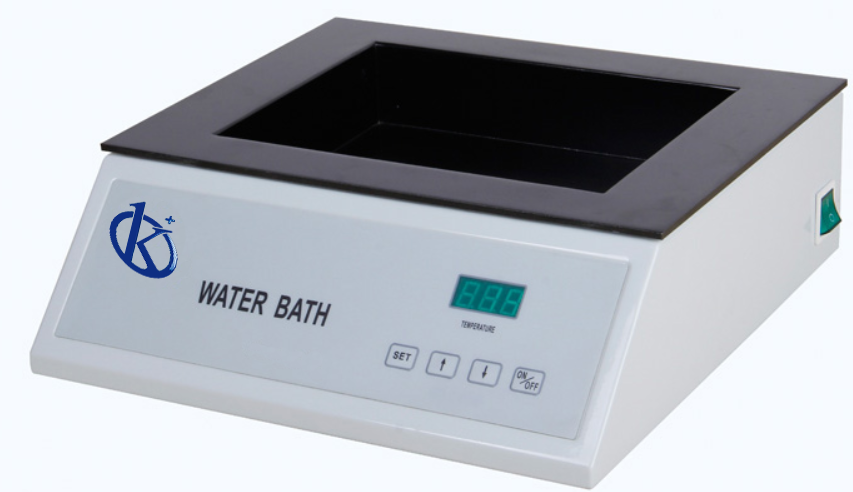
Tissue Water Bath: Best Techniques and Protocols for 2026
What is it used for in 2026
Tissue water baths are essential laboratory instruments used for maintaining precise temperature control, which is critical for various biological applications. In 2026, these devices are primarily utilized for tissue preservation, histology, and various experimental procedures that require an optimal environment for biological samples. By providing a stable temperature, tissue water baths ensure the integrity and viability of samples during experiments, enhancing the quality of results.
History and evolution of the technology
Since their inception, water baths have undergone significant advancements in technology. Initially, these devices were simple, non-digital models that relied on manual temperature control. Over the years, innovations such as microprocessor controls, LED displays, and automatic memory functions have transformed how laboratories utilize this equipment. The evolution of tissue water baths has led to greater accuracy, reliability, and user-friendly interfaces, making them indispensable in modern laboratories.
How to use it step by step
- Preparation of the Water Bath: Begin by filling the water bath with distilled water to the recommended level. Ensure that the water is free of contaminants to prevent sample contamination.
- Power On: Plug in the water bath and turn it on. Allow it to reach the desired temperature before placing any samples.
- Setting the Temperature: Use the digital controls to set the target temperature according to the experimental requirements. Monitor the display for real-time temperature readings.
- Sample Placement: Carefully place your samples in the water bath, ensuring they are fully submerged for even heating.
- Monitoring: Continuously monitor the temperature and adjust if necessary throughout the experiment to maintain stability.
- Completion: Once the experiment is complete, remove samples and turn off the water bath. Properly clean and maintain the unit after use.
Best techniques and protocols
To ensure optimal performance and reliability of tissue water baths, laboratory professionals should adhere to best practices such as:
- Calibration: Regularly calibrate the water bath to ensure accurate temperature readings.
- Consistent Monitoring: Keep an eye on temperature fluctuations during experiments to avoid compromising sample integrity.
- Preventing Contamination: Use sterile materials when handling samples to prevent contamination.
- Proper Maintenance: Follow manufacturer guidelines for cleaning and maintaining the unit to prolong its lifespan.
Practical applications by laboratory type
Tissue water baths find applications across various laboratory types:
- Histology Labs: Used for tissue processing and embedding.
- Molecular Biology Labs: Ideal for maintaining samples at specific temperatures for enzymatic reactions.
- Clinical Labs: Employed in diagnostic procedures requiring precise temperature control.
Regulations, standards and certifications
In 2026, adherence to industry regulations and standards is vital for laboratories using tissue water baths. Equipment must comply with the relevant ISO standards and local regulations to ensure safety and accuracy in laboratory practices. Certifications from recognized bodies help ensure that water baths meet quality and performance benchmarks across various applications.
Comparison with alternative technologies
While tissue water baths are widely used, alternative technologies such as dry block heaters and incubation chambers offer different advantages. Dry block heaters provide rapid heating and are more portable, while incubation chambers offer more controlled environments for temperature and humidity. However, tissue water baths remain a popular choice due to their reliability and ease of use in maintaining consistent temperatures.
Comparison of available models
| Model | Best for | Key specs | Recommended use case |
|---|---|---|---|
| YR449 | General tissue preservation | Temperature range: RT to 90℃; Accuracy: ±1℃; Power: 200W | Ideal for routine laboratory tasks requiring stable temperature control. |
| YR451 | Research applications | Temperature range: 0 - 85℃; Accuracy: ±1℃; Power: 400W | Best suited for experiments needing precise temperature settings. |
| YR452 | Tissue sectioning | Temperature range: RT - 75℃; Accuracy: ±1℃; Power: 500W | Recommended for histology and pathology labs focusing on tissue samples. |
Common mistakes and how to avoid them
Laboratory professionals often encounter pitfalls when using tissue water baths. Here are common mistakes and how to avoid them:
- Inaccurate Temperature Settings: Always verify temperature settings before starting experiments.
- Neglecting Calibration: Regularly calibrate your water bath to ensure accuracy.
- Overloading the Bath: Avoid overcrowding the water bath, which can lead to temperature inconsistencies.
Maintenance, calibration and good practices 2026
To maintain the performance of tissue water baths in 2026:
- Regular Cleaning: Clean the water bath after each use to prevent contamination.
- Routine Calibration: Schedule periodic calibration to maintain accuracy.
- Monitor Performance: Keep track of the unit's performance to identify any operational issues.
Cost-benefit analysis 2026
Investing in a tissue water bath in 2026 provides significant benefits that outweigh the costs. These devices enhance laboratory productivity and accuracy, making them a worthwhile investment. Moreover, their durability and low maintenance costs contribute to long-term savings for laboratory facilities.
Frequently asked questions
What are the key features to look for when choosing a tissue water bath?
Key features include temperature range, accuracy, ease of use, and maintenance requirements. A digital display and automatic controls are also beneficial for precise operations.
How do I ensure that my water bath is accurately calibrated?
To ensure accuracy, use a certified thermometer to check the actual temperature against the set temperature regularly and adjust according to the manufacturer’s instructions.
Can tissue water baths be used for all types of biological samples?
While they are versatile, not all biological samples may be suitable for every temperature setting. Always refer to specific protocols regarding sample types.
What is the typical lifespan of a tissue water bath?
With proper maintenance, a tissue water bath can last several years, often exceeding a decade. Regular checks and calibration can help extend its lifespan.
How often should I clean my tissue water bath?
It is recommended to clean the water bath after each use to prevent contamination and ensure optimal performance.
Are there specific maintenance requirements for tissue water baths?
Yes, routine calibration, cleaning, and checks for wear and tear are essential for maintaining the performance of tissue water baths.
Can I request a quote for a tissue water bath?
Absolutely! Please feel free to request a quote for any of our tissue water bath models.
If you are looking for a fusion of innovation and quality, you have come to the right place. At Kalstein, we offer you the luxury of exploring our exclusive catalog of laboratory equipment. We manufacture every device to the highest standards of excellence. Our intuitive and seamless online purchasing channels are designed for your convenience, securing the most competitive prices. Hesitate no longer — we bring science to life, it is time to become part of our community.