Tissue Flotation: Common Errors and How to Avoid Them in Daily Operation (2026)
What is it used for in 2026
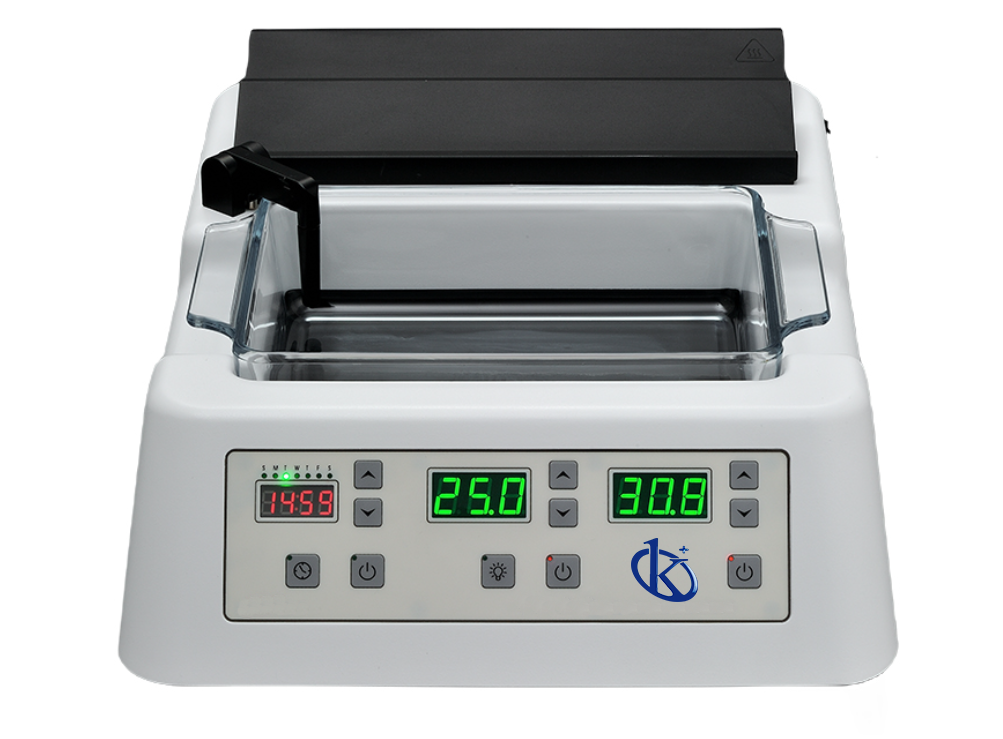
Tissue flotation is a crucial process within pathological anatomy, utilized for the preparation of tissue samples for examination under a microscope. This technique allows for the proper orientation and drying of tissue sections on slides, ensuring that they are ready for further processing and analysis. In 2026, advancements in flotation workstation technology have improved the efficiency and accuracy of this essential laboratory procedure, making it easier for professionals to achieve high-quality results.
History and evolution of the technology
The history of tissue flotation technology dates back to the early days of histology when the preparation of tissue samples was a manual and time-consuming task. Initially, simple water baths were used to keep tissue samples at the correct temperature. Over the years, innovations such as temperature control systems, digital displays, and automated memory functions have transformed these tools into sophisticated workstations. In 2026, the latest models incorporate advanced microprocessor technology, allowing for precise temperature management and improved user interfaces.
How to use it step by step
Using a tissue flotation workstation involves several key steps:
- Setup: Place the workstation on a stable surface and connect it to a power supply. Ensure that the water bath is filled to the appropriate level.
- Power On: Switch on the workstation and allow it to reach the desired temperature settings for both the water bath and slide dryer.
- Preparation of Tissue Sections: Carefully cut tissue sections using a microtome and place them in the water bath to flatten them.
- Transfer to Slides: Once the tissue sections are properly floated, use a glass slide to gently lift them out of the water bath.
- Drying: Position the slide in the drying station to evaporate excess moisture and prepare the sample for staining or further analysis.
- Monitoring: Continuously monitor the temperature settings using the digital display to ensure optimal conditions are maintained throughout the process.
- Record Keeping: Document the process and any observations for future reference, ensuring compliance with laboratory protocols.
Best techniques and protocols
To achieve the best results in tissue flotation, laboratory professionals should adhere to the following techniques and protocols:
- Maintain a consistent temperature in the water bath to prevent uneven tissue expansion.
- Use clean, high-quality glass slides to minimize surface impurities that could affect tissue adhesion.
- Optimize the cutting thickness of tissue sections to facilitate proper floating and drying.
- Employ gentle movements when transferring tissue sections to prevent tearing or distortion.
- Regularly calibrate and maintain the workstation to ensure accuracy and reliability.
Practical applications by laboratory type
Tissue flotation workstations find applications across various laboratory types:
- Clinical Laboratories: For preparing biopsy samples prior to cytological examination.
- Research Laboratories: In molecular biology studies, where precise tissue analysis is critical.
- Forensic Laboratories: For the examination of tissue samples in criminal investigations.
- Educational Institutions: As teaching tools in histology courses to demonstrate tissue preparation techniques.
Regulations, standards and certifications
Laboratories must comply with various regulations and standards related to tissue flotation equipment. These include:
- ISO 15189: Medical laboratories — Requirements for quality and competence.
- CLIA (Clinical Laboratory Improvement Amendments) standards for laboratory testing.
- Local health and safety regulations governing laboratory equipment.
Comparison with alternative technologies
While tissue flotation workstations are essential, there are alternative technologies worth considering:
- Freezing Microtomy: Useful for rapid sample preparation, but may not provide the same level of detail as flotation.
- Embedding Techniques: More time-consuming but allows for better preservation of tissue morphology.
- Automated Stainers: Save time in the staining process, though they may not integrate flotation capabilities.
Comparison of available models
| Model | Best for | Key specs | Recommended use case |
|---|---|---|---|
| YR457-1 | Complex tissue samples requiring precision | Temperature range: RT - 70℃; Power: 400W | Advanced histological analysis |
| YR456 | Standard tissue samples with dual heating options | Temperature range: RT - 70℃; Power: 800W | Routine laboratory tasks |
| YR457 | General tissue preparation with reliable performance | Temperature range: RT - 70℃; Power: 900W | Various histopathological procedures |
Common mistakes and how to avoid them
Laboratory professionals often encounter common mistakes when using tissue flotation workstations:
- Neglecting Temperature Settings: Failing to monitor the temperature can lead to poor sample quality. Always check settings before use.
- Overheating Samples: Excessive heat can damage tissue integrity. Adjust temperatures accordingly.
- Inadequate Slide Preparation: Not using clean slides can introduce contaminants. Always use high-quality slides.
- Poor Documentation: Failing to keep records can hinder reproducibility. Maintain detailed records of processes and observations.
Maintenance, calibration and good practices 2026
To ensure optimal performance of tissue flotation workstations, adhere to the following maintenance and calibration practices:
- Regularly clean the water bath and drying station to prevent buildup of contaminants.
- Calibrate temperature sensors quarterly to ensure accuracy.
- Inspect electrical connections and components for signs of wear or damage.
- Follow manufacturer guidelines for routine maintenance tasks.
- Keep a maintenance log to track service and repairs.
Cost-benefit analysis 2026
Investing in tissue flotation technology offers numerous benefits:
- Efficiency Gains: Automated features reduce manual labor and processing time.
- Quality Improvements: Enhanced temperature control leads to better tissue preparation quality.
- Long-term Savings: Reliable instruments can reduce the need for replacements and repairs, saving costs over time.
- Increased Productivity: Streamlined processes allow for higher sample throughput.
Frequently asked questions
What is the best temperature for tissue flotation?
The optimal temperature for tissue flotation is typically around room temperature to 70°C. This helps ensure that the tissue sections can float properly without becoming damaged.
How often should I calibrate my tissue flotation workstation?
It is recommended to calibrate your tissue flotation workstation at least quarterly to maintain accuracy and performance. Regular checks will help avoid any discrepancies in temperature readings.
Can I use any type of glass slide for tissue flotation?
While you can use various glass slides, it is best to utilize high-quality, clean slides specifically designed for histological applications to minimize contamination and improve adhesion.
What are the common mistakes when using a flotation workstation?
Common mistakes include neglecting temperature settings, overheating samples, using unclean slides, and inadequate documentation of procedures. These can lead to poor sample quality and reproducibility.
How can I maximize the quality of my tissue samples?
To maximize quality, ensure proper temperature control, use high-quality slides, cut tissue sections optimally, and document procedures carefully to maintain consistency.
What should I do if my workstation is not heating properly?
If your workstation is not heating properly, first check the power supply and connections. If the issue persists, consult the user manual for troubleshooting or contact customer support for further assistance.
How do I request a quote for a tissue flotation workstation?
You can request a quote by visiting our online catalog and selecting the desired tissue flotation workstation model. Our team will provide you with the best options tailored to your laboratory needs.
If you are looking for a fusion of innovation and quality, you have come to the right place. At Kalstein, we offer you the luxury of exploring our exclusive catalog of laboratory equipment. We manufacture every device to the highest standards of excellence. Our intuitive and seamless online purchasing channels are designed for your convenience, securing the most competitive prices. Hesitate no longer — we bring science to life, it is time to become part of our community.