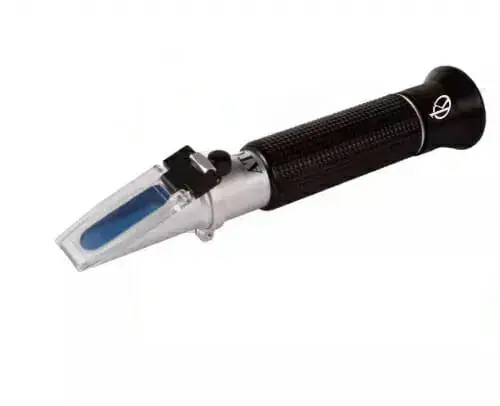
Sustainability in Energy and Environmental Impact Reduction: A Guide to Digital Clinical Refractometers
As the laboratory industry evolves, there is a growing emphasis on sustainability and reducing environmental impact. Digital clinical refractometers, integral in clinical diagnostics, can significantly contribute to these efforts. This guide will explore how these instruments can not only enhance clinical workflows but also promote energy sustainability and help laboratories minimize their environmental footprints.
Understanding the Role of Digital Clinical Refractometers
Digital clinical refractometers serve essential functions in both human and veterinary medicine, providing precise measurements of vital liquid levels. These instruments offer features such as automatic temperature compensation (ATC) and high-level accuracy, making them invaluable in clinical diagnostics. In the context of sustainability, the choice of model and its operational efficiency can lead to significant energy savings and reduced environmental impact.
Comparison of Available Models
| Model Code | Measurement Range | Precision | Energy Efficiency Features | Best Use Case |
|---|---|---|---|---|
| YR05915 | 0-12g/dl, 1.000-1.050sg, 1.3300RI-1.3600RI | ±0.2g/dl, ±0.001 SG, ±0.001 RI | Fully equipped with ATC | Clinical human and veterinary use, high precision measurements |
| YR05966 | 1.000-1.050 | ±0.002 | Waterproof (IP65), uses pure water for zeroing | Veterinary diagnostics and human serum protein assessment |
| YR05967 | 0-12.1 g/dl | ±0.2 | ATC, operates up to 40°C | Clinical use for serum protein in humans and animals |
| YR05968 | 1.3330-1.3900nD | ±0.0003nD | ATC, environmental resistance | Ideal for refractive index measurements |
Energy Sustainability and Digital Clinical Refractometers
Energy sustainability involves minimizing energy consumption and optimizing the use of resources. Digital clinical refractometers like the YR05915 promote energy efficiency through features such as automatic temperature compensation (ATC), which ensures accurate readings without excessive energy use. This efficiency reduces overall energy consumption, aligning laboratory practices with sustainable methodologies.
Measuring Energy Efficiency
Measuring energy efficiency in laboratory instrumentation requires understanding consumption per operation. Digital refractometers can contribute to this metric by using innovative technology to reduce energy waste. By employing models with ATC, energy usage can be minimized to ensure optimal operational costs.
Environmental Footprint Reduction
The environmental footprint of laboratory practices can be significantly reduced by selecting eco-friendly instruments. Digital clinical refractometers, which often feature long-lasting components and lower reagent consumption, help laboratories decrease waste and pollution. Choosing models like the YR05966, which are easy to maintain and clean, further contributes to environmental conservation.
Common Mistakes and How to Avoid Them
When implementing digital clinical refractometers, several common mistakes can hinder sustainability efforts. One is neglecting to consider the energy consumption of the devices themselves. Laboratories must assess the energy needs of the refractometers they choose, ensuring they select models that maximize efficiency while meeting clinical requirements.
Frequently Asked Questions
How does energy efficiency in digital clinical refractometers impact laboratory operations?
Energy efficiency in digital clinical refractometers, such as the YR05915, reduces operational costs and environmental impact. By ensuring accurate measurements with features like ATC, these models help labs conserve energy while maintaining high-quality diagnostics.
What are the best models for reducing environmental impact in clinical laboratories?
Models like the YR05966 and YR05967 offer waterproof features and ATC, which enhance performance while minimizing waste. These attributes contribute to a decreased environmental footprint in clinical laboratory settings.
Which specifications should I consider for sustainable refractometers in lab settings?
When selecting sustainable refractometers, look for models that offer ATC, low power consumption, and minimal reagent use. The YR05968 exemplifies these features, making it an excellent choice for eco-conscious laboratories.
How can digital clinical refractometers contribute to energy sustainability?
Digital refractometers like the YR05915 promote energy sustainability by using ATC, reducing energy waste, and optimizing performance. This functionality allows labs to achieve precise results with lower energy consumption.
What operational features minimize the environmental impact of refractometers?
Operational features such as waterproofing, ease of cleaning, and ATC minimize environmental impact. The YR05966 offers these benefits, making it suitable for reducing overall laboratory waste.
How do digital clinical refractometers compare in terms of energy consumption?
Digital clinical refractometers can vary in energy consumption based on their features. Models with ATC, like the YR05967, typically consume less energy, contributing to lower operational costs and reduced environmental impact.
What maintenance practices enhance the sustainability of digital refractometers?
Regular maintenance, such as cleaning and calibrating digital refractometers like the YR05968, enhances their sustainability. Proper upkeep ensures these instruments operate efficiently, reducing energy consumption and prolonging their lifespan.
If you are looking for a fusion of innovation and quality, you have come to the right place. At Kalstein, we offer you the luxury of exploring our exclusive catalog of laboratory equipment. We manufacture every device to the highest standards of excellence. Our intuitive and seamless online purchasing channels are designed for your convenience, securing the most competitive prices. Hesitate no longer — we bring science to life, it is time to become part of our community.