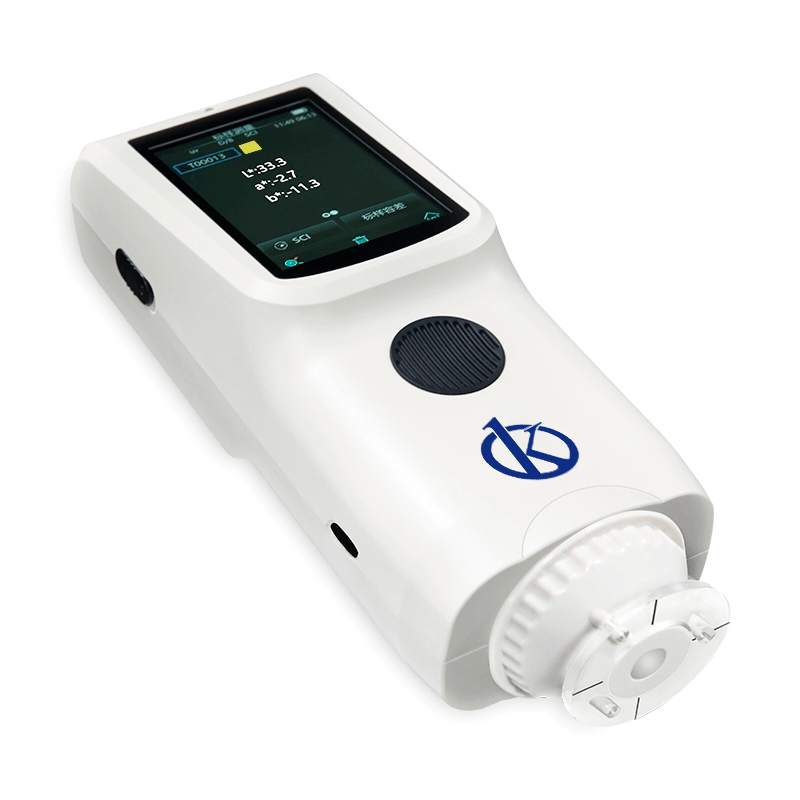
Spectrocolorimeters: Applications in Research, Biotechnology, and Academia 2026
What is it used for in 2026
Spectrocolorimeters are essential tools in various laboratory settings, including research, biotechnology, and academia. These instruments are primarily used for color measurement and analysis, which is crucial in industries such as food, pharmaceuticals, and textiles. In 2026, the focus is on high precision and adaptability, allowing for accurate color differentiation and quality control across multiple applications.
History and evolution of the technology
The evolution of spectrocolorimetry has been marked by advancements in optical technology and sensor capabilities. Initially, color measurement was a manual process, but with the introduction of automated and portable devices, such as the spectrocolorimeters, the process has become more efficient. These instruments have evolved to incorporate advanced algorithms and calibration standards that comply with international regulations, significantly enhancing their accuracy and reliability.
How to use it step by step
Using a spectrocolorimeter typically involves the following steps:
- Prepare the sample: Ensure that the sample is homogeneous and appropriately sized.
- Calibrate the instrument: Follow the manufacturer’s instructions to calibrate the device according to industry standards.
- Select the measurement mode: Choose between different modes such as SCI (Spectral Color Intensity) or SCE (Spectral Color Evaluation) based on the application.
- Perform the measurement: Place the sample in the designated area and initiate the measurement process.
- Record and analyze the data: Collect the data from the instrument and analyze it using appropriate software or methods.
Best techniques and protocols
To achieve optimal results with spectrocolorimeters, adhere to the following best techniques and protocols:
- Consistent lighting conditions: Ensure that measurements are taken under standardized lighting to avoid discrepancies.
- Regular calibration: Regularly calibrate the instrument to maintain accuracy.
- Sample preparation: Properly prepare and handle samples to prevent contamination or degradation.
- Follow SOPs: Utilize standard operating procedures (SOPs) to guide the measurement process.
Practical applications by laboratory type
Different types of laboratories can leverage spectrocolorimeters in the following ways:
- Research Laboratories: Used for analyzing chemical properties and color changes in various reactions.
- Biotechnology Labs: Essential for quality control in the production of bioproducts.
- Academic Institutions: Utilized for educational purposes and research projects related to color science and physics.
- Food Industry: Used for assessing color consistency in products like beverages or packaged foods.
- Textile Industry: Critical for ensuring color matching and consistency in dyeing processes.
Regulations, standards and certifications
In 2026, adherence to specific regulations and standards is critical for spectrocolorimeters:
- CIE No.15 - International color standards.
- ISO7724-1 - Standards for color measurement.
- ASTM E1164 - Guide for color measurement and specifications.
- DIN5033 Teil7 - National standards.
Comparison with alternative technologies
When comparing spectrocolorimeters with alternative technologies such as traditional colorimeters and visual color matching, the following points emerge:
- Precision: Spectrocolorimeters provide higher accuracy due to advanced optical systems.
- Adaptability: They offer multiple measurement modes compared to traditional systems.
- Data analysis: Spectrocolorimeters typically come with software for comprehensive data analysis, which is not always available in other instruments.
Comparison of available models
| Model | Best for | Key specs | Recommended use case |
|---|---|---|---|
| YR05516 | High-precision color measurement | Price: $2570.00 | Quality control in plastics and paints |
| YR05517 | Adaptable color measurement | Price: $1838.00 | Color consistency in various industries |
| YR05518 | Precise color evaluation | Price: $935.00 | Textile and printing color analysis |
| YR05519 | Versatile color control | Price: $623.00 | Color matching in ceramics and textiles |
Common mistakes and how to avoid them
Here are some common mistakes users make with spectrocolorimeters and how to avoid them:
- Inconsistent lighting: Always use standardized lighting for measurements.
- Neglecting calibration: Regularly calibrate the instrument to maintain accuracy.
- Improper sample handling: Ensure samples are properly prepared and free from contaminants.
Maintenance, calibration and good practices 2026
For optimal performance of spectrocolorimeters, follow these maintenance and calibration practices:
- Clean the optical components regularly to prevent dust and residue buildup.
- Perform calibration before critical measurements, following the manufacturer’s guidelines.
- Store the instrument in protective cases to avoid physical damage.
Cost-benefit analysis 2026
Investing in a spectrocolorimeter can yield significant benefits for laboratories:
- Increased accuracy reduces costs related to rework due to color discrepancies.
- High adaptability allows for use across multiple applications, enhancing return on investment.
- Long-term reliability minimizes the need for frequent replacements.
Frequently asked questions
What should I consider when choosing a spectrocolorimeter?
When selecting a spectrocolorimeter, consider factors such as measurement accuracy, adaptability to different applications, and compliance with industry standards.
How often should I calibrate my spectrocolorimeter?
Calibration should be performed regularly, especially before major measurements or testing, to ensure accuracy and reliability.
Can I use a spectrocolorimeter for different industries?
Yes, spectrocolorimeters are versatile and can be utilized in various industries such as food, textiles, and pharmaceuticals for quality control and analysis.
What are the common issues faced while using spectrocolorimeters?
Common issues include inconsistent lighting, improper sample handling, and neglecting regular calibration, which can lead to inaccurate results.
How do I maintain my spectrocolorimeter?
Regular maintenance involves cleaning optical components, performing calibrations as needed, and ensuring proper storage to prevent damage.
Are there any specific protocols for color measurement in research?
Yes, following standardized protocols and utilizing SOPs ensures consistency and accuracy in color measurement across different research applications.
If you are looking for a fusion of innovation and quality, you have come to the right place. At Kalstein, we offer you the luxury of exploring our exclusive catalog of laboratory equipment. We manufacture every device to the highest standards of excellence. Our intuitive and seamless online purchasing channels are designed for your convenience, securing the most competitive prices. Hesitate no longer — we bring science to life, it is time to become part of our community.