Salinity Refractometers: Best Techniques and Protocols in 2026
What is it used for in 2026
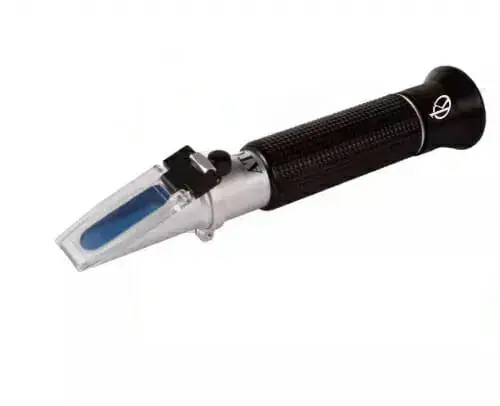
Salinity refractometers are essential instruments used in various sectors, primarily for measuring the concentration of salt in water. In 2026, these refractometers are increasingly applied in marine biology, aquaculture, environmental monitoring, and food safety. The accurate measurement of salinity is crucial in these fields for maintaining optimal conditions for aquatic life, ensuring quality control in food products, and conducting research on water quality.
History and evolution of the technology
The refractometer was first developed in the early 19th century, primarily for use in determining the refractive index of liquids in laboratory settings. Over the years, technological advancements have led to the modernization of refractometers, improving their accuracy and functionality. In particular, salinity refractometers have evolved to include automatic temperature compensation (ATC), allowing for more precise measurements across varying temperature ranges. Today, these devices are equipped with digital displays and enhanced optical systems, making them user-friendly and efficient.
How to use it step by step
- Calibrate the Refractometer: Before use, ensure that the device is calibrated according to the manufacturer's instructions, preferably with distilled water.
- Prepare Your Sample: Collect a small sample of the water you wish to measure, ensuring it is representative of the larger body of water.
- Place the Sample on the Prism: Open the cover of the refractometer and place a drop of the water sample on the prism surface.
- Close the Cover: Gently close the cover to spread the sample evenly across the prism.
- Read the Measurement: Look through the eyepiece or read the digital display to obtain the salinity level or specific gravity reading.
- Record Results: Document the readings for further analysis, maintaining a log of your measurements for tracking purposes.
Best techniques and protocols
In 2026, the best techniques for using salinity refractometers include:
- Ensuring regular calibration with a standard refractive index fluid to maintain accuracy.
- Using clean, contaminant-free glass or plastic pipettes to transfer samples to avoid cross-contamination.
- Performing multiple readings of the same sample to verify consistency and accuracy.
- Regularly cleaning the prism and body of the refractometer to prevent residue buildup that can affect readings.
- Implementing a systematic approach to documenting measurements, including date, time, and environmental conditions during testing.
Practical applications by laboratory type
Salinity refractometers have versatile applications depending on the type of laboratory:
- Marine Biology Labs: Measuring salinity levels in oceanic and freshwater environments to study aquatic ecosystems.
- Aquaculture Facilities: Monitoring water salinity to ensure healthy growth conditions for fish and other aquatic species.
- Food Quality Control Labs: Testing the salinity of food products like fish and processed meats to comply with safety standards.
- Environmental Labs: Analyzing water samples from rivers, lakes, and oceans for pollution studies.
Regulations, standards and certifications
In 2026, laboratories using salinity refractometers must adhere to several regulations and standards to ensure accuracy and safety. This includes compliance with ISO standards related to laboratory equipment and environmental testing. Additionally, certifications from bodies such as the National Institute of Standards and Technology (NIST) may be required for specific applications, particularly in food safety and environmental monitoring.
Comparison with alternative technologies
While salinity refractometers are widely used, other technologies such as conductivity meters and osmometers also measure salinity. Conductivity meters provide real-time readings and are generally easier to use in field conditions, while osmometry is used for high-precision measurements in specialized applications. However, refractometers offer the advantage of portability and the ability to measure salinity directly, making them particularly useful in laboratories with limited space.
Comparison of available models
| Model | Best for | Key specs | Recommended use case |
|---|---|---|---|
| YR05887 | General salinity measurement | Salinity: 2-4% (20-40ppt), Specific Gravity: 1.015-1.030 | Quality control in marine environments |
| YR05888 | Low salinity measurement | Salinity: 0-4% (0-40ppt), Specific Gravity: 1.000-1.030 | Testing freshwater and low-salinity samples |
| YR05913 | Wide range salinity testing | Salinity: 2-4% (20-40ppt), Specific Gravity: 1.015-1.030 | Research in diverse aquatic environments |
| YR05914 | Specific gravity analysis | Salinity: 2-4% (20-40ppt), Specific Gravity: 1.015-1.030 | Detailed analysis in laboratory settings |
Common mistakes and how to avoid them
Common mistakes when using salinity refractometers include:
- Neglecting Calibration: Always calibrate before use to ensure accurate readings.
- Contaminated Samples: Ensure that samples are clean and free of debris; use fresh pipettes for each measurement.
- Ignoring Temperature Effects: Be aware of the temperature of your sample and the refractometer, as this can impact results.
- Inconsistent Recording: Maintain a consistent method for documenting results to track changes effectively.
Maintenance, calibration and good practices 2026
Maintaining a salinity refractometer in 2026 requires regular calibration, cleaning, and proper storage. Calibration should be performed at least once a week, or before significant testing sessions. Cleaning involves wiping the prism with a soft cloth and distilled water to prevent residue buildup. Store the device in a protective case to prevent damage and ensure longevity.
Cost-benefit analysis 2026
In 2026, salinity refractometers offer significant benefits in terms of accuracy, ease of use, and cost-effectiveness compared to alternative methods. The initial investment is often offset by the precision and reliability these devices provide, resulting in better quality control and research outcomes. Additionally, with the advancement in technology, many models are now affordable, making them accessible for most laboratories.
Frequently asked questions
How do I choose the right salinity refractometer for my laboratory?
Choosing the right salinity refractometer depends on your specific needs. Consider factors such as the range of salinity you need to measure, the environment in which you will be using it, and whether you require features like automatic temperature compensation.
What is the importance of calibrating a salinity refractometer?
Calibration ensures that your refractometer provides accurate and reliable measurements. Even small discrepancies can lead to significant errors in sample analysis, affecting research or quality control processes.
Can I use salinity refractometers for other liquids?
While salinity refractometers are primarily designed for saltwater and saline solutions, some models can be used for other liquids. However, always consult the manufacturer’s specifications to ensure compatibility.
How often should I clean my refractometer?
It is advisable to clean your refractometer after each use to prevent contamination and maintain accuracy. Regular cleaning will also prolong the lifespan of the instrument.
What should I do if my readings are inconsistent?
If you notice inconsistent readings, first ensure that the device is calibrated correctly. Check for any contamination on the prism, and ensure that the sample temperature is within the acceptable range. If problems persist, consider checking for any damage to the instrument.
Are there specific storage requirements for salinity refractometers?
Yes, salinity refractometers should be stored in a protective case to avoid physical damage and exposure to extreme temperatures. Keep them in a stable, dry environment to maintain their accuracy.
If you are looking for a fusion of innovation and quality, you have come to the right place. At Kalstein, we offer you the luxury of exploring our exclusive catalog of laboratory equipment. We manufacture every device to the highest standards of excellence. Our intuitive and seamless online purchasing channels are designed for your convenience, securing the most competitive prices. Hesitate no longer — we bring science to life, it is time to become part of our community.