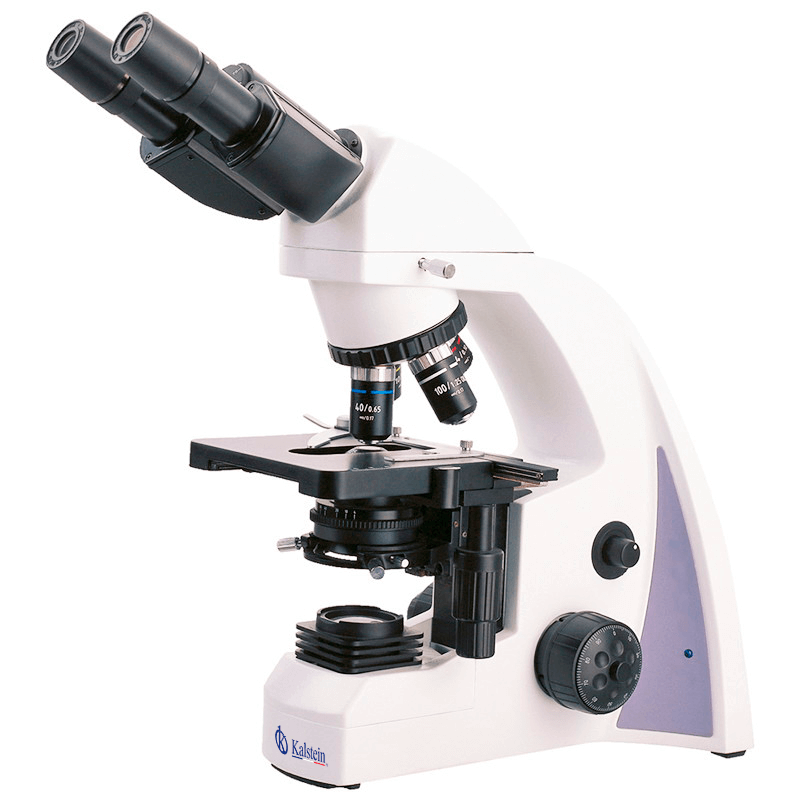
Understanding ROI and Cost-Benefit Analysis for Laboratory Microscopes
In today's competitive laboratory landscape, understanding the return on investment (ROI) and conducting a thorough cost-benefit analysis for laboratory microscopes are essential practices. Selecting the right microscope can significantly impact operational efficiency, research quality, and bottom-line profitability. This article delves into the financial implications of various models, providing detailed comparisons and actionable insights for laboratory professionals.
Framing ROI and Cost-Benefit Analysis in Laboratory Microscopes
ROI and cost-benefit analysis are key components when evaluating laboratory equipment such as microscopes. These analyses enable laboratories to make informed decisions when investing in equipment, focusing on how to maximize performance while minimizing costs. Understanding both concepts helps labs not only choose the right model but also optimize their operations in terms of efficiency and productivity.
Comparison of Available Models
| Model | CAPEX (USD) | Cost per Test | Payback Period (Months) | Recommended Scenario |
|---|---|---|---|---|
| YR0237-0-1 | 437.00 | 5.00 | 12 | General laboratory use |
| YR0237-1 | 491.00 | 5.50 | 14 | Advanced microscopy applications |
| YR0237-1-1 | 448.10 | 5.20 | 13 | Routine laboratory tasks |
Understanding CAPEX and OPEX in Laboratory Microscopes
Operational and capital expenditures (CAPEX and OPEX) are critical in understanding your microscope investment. CAPEX includes the purchase price of microscopes like the YR0237-0-1, while OPEX encompasses maintenance, consumables, and operational costs associated with running the equipment. Analyzing these costs allows laboratories to forecast financial performance and identify savings opportunities.
For example, investing in models with lower OPEX, such as YR0237-1, could result in better overall financial performance despite higher initial costs. The trade-off between initial investment and ongoing costs must be evaluated for an effective cost-benefit analysis.
Quantitative Breakdown of Costs and Returns
It is essential to conduct a quantitative breakdown of costs associated with microscope usage. This includes determining the cost per test performed with each model. For instance, the YR0237-0-1 offers a cost per test of approximately $5.00, while the YR0237-1's cost is slightly higher at $5.50 due to its advanced features.
Below is a sample cost matrix that illustrates potential savings and returns based on different testing scenarios:
| Model | Tests per Month | Monthly Operational Costs | Annualized Cost | Expected Returns |
|---|---|---|---|---|
| YR0237-0-1 | 200 | 1,000 | 12,000 | 15,000 |
| YR0237-1 | 180 | 990 | 11,880 | 14,500 |
Common Mistakes and How to Avoid Them
Many laboratories fall into common pitfalls when evaluating microscope investments. One prevalent mistake is overlooking the total cost of ownership (TCO), which includes not just the purchase price but also maintenance, repairs, and consumables. To avoid this mistake, conduct a detailed cost analysis over the expected lifespan of each model.
Another error is not aligning microscope capabilities with specific testing requirements. Selecting a model like YR0237-1 for basic tests could lead to inefficient use of resources. Always assess your laboratory's specific needs against the performance metrics each model offers.
Frequently Asked Questions
How can I evaluate the ROI for a laboratory microscope purchase?
To evaluate ROI for a laboratory microscope, consider the initial cost, operational costs, and the expected output. For example, the YR0237-0-1 model, priced at $437.00, may yield significant returns if it is used effectively across several tests monthly.
Which factors impact the cost-benefit analysis for laboratory microscopes?
Key factors affecting cost-benefit analysis include initial investment, operational costs, and the frequency of use. For example, if the YR0237-1 model is used regularly, its higher price could be justified by reduced operational costs and enhanced performance.
What is the expected payback period for a laboratory microscope investment?
The expected payback period for a laboratory microscope varies based on usage. For instance, the YR0237-0-1 may have a payback period of approximately 12 months, depending on the number of tests conducted per month and associated operational costs.
How do I calculate the cost per test for laboratory microscopes?
To calculate cost per test, divide the total operational costs by the number of tests conducted. For example, if the YR0237-1 model incurs $1,000 in monthly costs and is used for 180 tests, the cost per test would be approximately $5.55.
What are the benefits of analyzing ROI in laboratory equipment?
Analyzing ROI for laboratory equipment, such as microscopes, allows laboratories to make informed purchasing decisions, optimize resource allocation, and enhance profitability. The YR0237-0-1 is an example where an upfront investment can lead to improved testing capabilities and cost savings in the long run.
Why is it essential to consider operational costs in microscope investment decisions?
Operational costs can significantly impact the overall cost of ownership for laboratory microscopes. For instance, models like YR0237-1 may have higher operational efficiency, leading to lower costs in consumables and maintenance, justifying their initial higher price.
How does model selection affect laboratory productivity and ROI?
Model selection directly affects productivity and ROI, as different microscopes offer varied capabilities and efficiencies. Choosing a model like the YR0237-0-1 for basic applications versus the YR0237-1 for advanced tasks can influence both operational efficiency and long-term returns.
What metrics should I track to ensure a positive ROI from laboratory microscopes?
Key metrics to track include cost per test, operational costs, throughput, and overall laboratory performance. Utilizing a model like the YR0237-1 can help improve performance metrics, leading to a more favorable ROI.
If you are looking for a fusion of innovation and quality, you have come to the right place. At Kalstein, we offer you the luxury of exploring our exclusive catalog of laboratory equipment. We manufacture every device to the highest standards of excellence. Our intuitive and seamless online purchasing channels are designed for your convenience, securing the most competitive prices. Hesitate no longer — we bring science to life, it is time to become part of our community.