
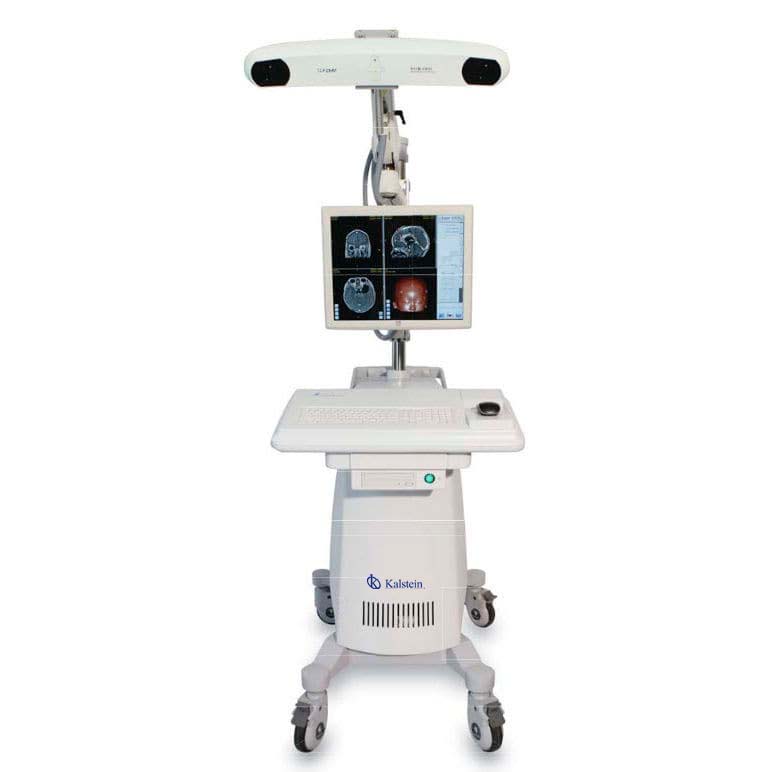
Optical Surgical Navigation, Kalstein Brand
The field of surgery has seen transformative advancements over the years, and one of the most impressive innovations is optical surgical navigation. As someone who has delved into this technology, I can vouch for its precision and efficiency, especially those offered by the renowned brand, Kalstein. Their commitment to quality and innovation shines through their line of optical surgical navigation systems, designed to enhance the surgical experience through accuracy and reliability.
Kalstein’s optical surgical navigation systems have garnered attention not just for their technological prowess but also for their user-friendly design. They aim to empower surgeons by providing tools that integrate seamlessly into the operation room environment, ensuring both the surgeon and the patient benefit from reduced risks and improved outcomes. The brand’s focus on elevating surgical performance makes it a preferred choice among professionals worldwide.
Features of Optical Surgical Navigation
The features of an optical surgical navigation system from Kalstein are designed to cater to the diverse needs of surgical procedures. One of the main aspects is the enhanced imaging technology which provides real-time feedback, allowing surgeons to make informed decisions during operations. This kind of precision is crucial in minimizing errors and enhancing patient safety.
Additionally, these systems are equipped with intuitive interfaces that enable easy handling and adjustment by the surgical team. This is especially beneficial in high-pressure situations where quick adaptability is necessary. Another significant feature is the ability to integrate with existing hospital technology, providing a seamless experience across various medical devices and systems.
Different Models of Optical Surgical Navigation
Kalstein offers a diverse range of optical surgical navigation systems to meet the varied needs of medical institutions. Each model is carefully crafted to serve specific purposes, ensuring that no matter the complexity of the surgery, there is a suitable navigation system available. Different models focus on varying levels of functionalities, from basic to advanced, ensuring accessibility for all types of medical facilities.
The versatility in their product line allows medical professionals to select the system that fits their specific requirements best. This customized approach not only optimizes surgical outcomes but also ensures cost-effectiveness, as hospitals and clinics can choose a model that matches their operational volume and specialty focus.
Why is the Price of Optical Surgical Navigation Justified?
Given the sophisticated technology and the critical role of these systems in enhancing surgical outcomes, the pricing of optical surgical navigation systems by Kalstein reflects their value. The investment in such technology represents a commitment to patient safety and operational efficiency. Furthermore, the high precision and reliability significantly reduce the potential for post-operative complications, which can be costly both financially and reputationally.
Moreover, the durability and ease of maintenance associated with Kalstein products contribute to a lower total cost of ownership over the years. When viewed through the lens of long-term value, the price is not just justified but seen as a beneficial investment into the future of healthcare delivery.
Comparison with Competitors
When comparing Kalstein’s optical surgical navigation systems with other market leaders such as Medtronic, Brainlab, and Stryker, several distinctions come to light. For instance, while Medtronic offers robust systems, Kalstein’s emphasis on user-friendly interfaces and integration capabilities often gives it an edge. Meanwhile, Brainlab is known for precision and customization, yet Kalstein’s competitive pricing and comprehensive customer support often make it more attractive to budget-conscious institutions.
Stryker, on the other hand, boasts a wide range of medical technologies but Kalstein’s specialization in optical surgical navigation ensures a more focused and refined product offering. While each competitor has its strengths, Kalstein strikes a balance between cost, quality, and performance, making it a compelling choice for many.
Pros and Cons of Optical Surgical Navigation
| Pros | Cons |
|---|---|
| High precision in surgical procedures | Initial setup costs can be high |
| Real-time imaging feedback | Requires proper training for optimal use |
| Seamless integration with existing systems | Technology may intimidate some users initially |
| Enhanced patient safety | Maintenance may require specialized personnel |
| Customizable models for different needs | Specific models may have limited availability |
| Durable and reliable systems | Not all features might be necessary for small clinics |
| Reduces potential for surgical errors | |
| Strong technical support and service |
Benefits of Using Optical Surgical Navigation
The primary benefits of utilizing optical surgical navigation systems stem from their ability to significantly streamline and enhance surgical procedures. These systems enable surgeons to perform more precise operations, directly translating into improved patient outcomes. Reducing the risk of human error is a crucial advantage, especially in complex surgeries where minute discrepancies can have serious repercussions.
Aside from precision, these systems provide continuity of care through detailed tracking and recording of surgical procedures. This data can be invaluable for post-operative analysis and future research, paving the way for continual improvements in surgery methodologies. Additionally, patients benefit from reduced operative times and quicker recovery due to the precision and efficiency afforded by these advanced systems.
Additional Advantages of Optical Surgical Navigation
Beyond the immediate surgical benefits, optical surgical navigation systems by Kalstein also offer several operational advantages. The ease of integration with other hospital technologies is a key aspect, streamlining processes and facilitating better communication within medical teams. Since time is often of the essence in medical procedures, any technology that supports faster and more coordinated responses is invaluable.
The adaptability of Kalstein’s systems further enhances their utility, allowing them to be used across a variety of surgical specialties and settings. Moreover, the strong technical support provided ensures that any operational issues are quickly and efficiently resolved, minimizing downtime and maximizing productivity in the operating room.
User Testimonials on Optical Surgical Navigation
Feedback from users of Kalstein’s optical surgical navigation systems paints a favorable picture of its capabilities and advantages. Surgeons have reported increased confidence in performing complex procedures thanks to the real-time feedback and precise imaging these systems offer. Additionally, the intuitive design has been highlighted as a major advantage, helping surgical teams adapt quickly to the technology and maximize its potential.
Many users have also appreciated the robust support system provided by Kalstein, which ensures that any technical difficulties are promptly addressed. This dedication to customer satisfaction underscores the brand’s commitment to excellence and reinforces its reputation in the medical tech industry.
Frequently Asked Questions
What makes Kalstein’s optical surgical navigation superior to its competitors?
Kalstein’s systems are designed with user-friendliness and seamless integration in mind, providing high precision at a competitive price point.
Are these systems compatible with existing hospital equipment?
Yes, one of the standout features of Kalstein’s systems is their compatibility with a wide range of existing medical technologies.
How does optical surgical navigation improve surgical outcomes?
By providing real-time imaging and precise feedback, these systems significantly reduce errors and improve the accuracy and safety of surgeries.
What kind of training is required to operate these systems?
Kalstein offers comprehensive training programs to ensure medical staff can fully leverage the capabilities of their surgical navigation systems.
Do these systems cater to specific surgical specializations?
Kalstein provides models that can be customized for various surgical needs, making them adaptable across numerous specializations.
What kind of technical support does Kalstein offer?
Kalstein is committed to providing strong technical support, ensuring prompt assistance in case of any technical issues.
Final Recommendations on Optical Surgical Navigation
In summary, Kalstein’s optical surgical navigation systems represent a significant advancement in surgical technology. Their design focuses on precision, ease of use, and seamless integration, making them a valuable asset in modern surgical settings. Whether you are a large hospital or a smaller clinic, the diverse range of models available ensures there is an option to suit your specific needs and budget.
If you are considering enhancing your surgical operations, investing in Kalstein’s optical surgical navigation systems could be a transformative decision. For more details and specific models, you can visit their product page: https://kalstein.co.il/category-product/medical-line/optical-surgical-navigation/.