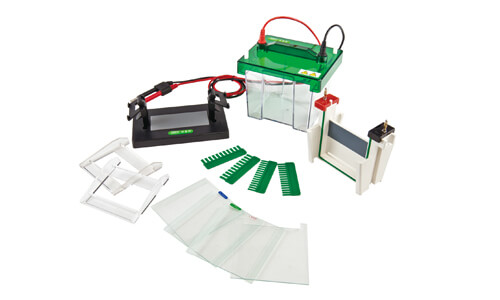
Regulatory Compliance in Laboratories: Exploring ISO/IEC Standards for Vertical Electrophoresis
In the field of laboratory research, maintaining compliance with ISO/IEC standards is crucial for ensuring quality and reliability, particularly in the use of vertical electrophoresis systems. This article delves into the requirements set forth by various ISO and IEC standards and how different models of vertical electrophoresis, such as the Mini-Protean Vertical Electrophoresis Cell models YR03425, YR03426, and others, help laboratories adhere to these regulations. Understanding how to align these tools with compliance can enhance research outcomes and ensure that laboratories are operating within the necessary legal frameworks.
Understanding ISO/IEC Standards in Laboratory Environments
ISO/IEC standards serve as the backbone of quality assurance in laboratory settings. Specifically, ISO 17025 outlines the requirements for testing and calibration laboratories, while ISO 15189 focuses on medical laboratories. Compliance with these standards is not just a regulatory necessity but also a pathway to excellence in laboratory operations.
ISO 17025 emphasizes the importance of a quality management system, which includes document control, staff training, and equipment calibration — all essential for vertical electrophoresis applications. Similarly, IEC 61010 outlines safety requirements for electrical equipment in laboratories, ensuring that devices such as vertical electrophoresis systems are designed with user safety in mind.
ISO 17025 and Vertical Electrophoresis: Key Compliance Areas
ISO 17025 provides comprehensive guidelines that laboratories must follow to ensure they produce valid and reliable data. For vertical electrophoresis systems, compliance can be categorized under several major areas:
- Document Control: Adequate documentation of procedures, processes, and equipment maintenance must be maintained.
- Personnel Qualifications: Staff operating these electrophoresis units should be well-trained and knowledgeable in both technique and compliance requirements.
- Equipment Calibration: Regular calibration of the electrophoresis devices is necessary to ensure accuracy in results.
Models like YR03425 and YR03428 are equipped with features that facilitate compliance with these standards, such as easy gel installation and compatibility with various buffer volumes, which help in maintaining quality control.
IEC 61010: Safety in Vertical Electrophoresis Systems
IEC 61010 focuses on the safety aspects of electrical equipment used in laboratories, including vertical electrophoresis systems. Compliance with this standard ensures that:
- Electrical Safety: Devices must be designed to operate without posing electrical hazards.
- User Protection: Safety mechanisms must be in place to protect users from exposure to hazardous substances and electrical shock.
- Maintenance Protocols: Regular checks and maintenance procedures must be implemented to maintain the operational integrity of the equipment.
The Mini-Protean Vertical Electrophoresis Cell models, such as YR03426 and YR03429, offer designs that prioritize user safety with easy-to-access features and robust construction, supporting compliance with IEC 61010.
Comparison of Available Models
| Model | ISO/IEC Clauses Covered | Traceability Features | Best For |
|---|---|---|---|
| YR03425 | ISO 17025, IEC 61010 | Integrated with calibration documentation | Small-scale protein analysis |
| YR03426 | ISO 17025 | Multiple gel casting | High-throughput labs |
| YR03427 | ISO 17025 | Integrated protocol adherence | Research uses |
| YR03428 | IEC 61010 | Safety compliance documentation | Training environments |
| YR03429 | ISO 17025 | Multiple traceable parameters | Advanced protein research |
| YR03430 | ISO 17025, IEC 61010 | Real-time monitoring capabilities | Field applications |
Common Mistakes and How to Avoid Them
Laboratories often face challenges in maintaining compliance with ISO/IEC standards. Here are some common mistakes and strategies to avoid them:
- Lack of Documentation: Ensure that all procedures and maintenance activities are documented and accessible.
- Inadequate Training: Regular training sessions for staff on compliance and safety protocols are essential.
- Neglecting Calibration: Maintain a strict calibration schedule for all laboratory equipment, including vertical electrophoresis systems.
By being vigilant about these common pitfalls, laboratories can enhance their compliance with ISO/IEC standards and improve their operational integrity.
Frequently Asked Questions
What are the major ISO standards affecting vertical electrophoresis compliance?
ISO 17025 and ISO 15189 are significant for vertical electrophoresis compliance. For instance, model YR03425 adheres to ISO 17025, ensuring valid test results through proper documentation and equipment calibration.
How does IEC 61010 impact the safety of vertical electrophoresis products?
IEC 61010 ensures that vertical electrophoresis devices, like the YR03428, are designed for user safety, preventing electrical hazards and ensuring proper insulation against voltage.
Which model is best for high-throughput vertical electrophoresis in compliance with ISO standards?
The Mini-Protean Vertical Electrophoresis Cell YR03426 is ideal for high-throughput applications, fitting well within ISO 17025 compliance guidelines due to its efficient design for multiple gel casting.
What documentation is required for ISO compliance in vertical electrophoresis laboratories?
ISO compliance requires documented procedures, maintenance logs, and calibration records. Devices such as YR03429 help maintain traceable records necessary for ISO 17025 compliance.
How does vertical electrophoresis meet the requirements of ISO 15189?
Vertical electrophoresis systems like the YR03427 can support ISO 15189 by ensuring accurate results through proper calibration and trained personnel, crucial for medical laboratories.
What are the traceability features in vertical electrophoresis systems?
Traceability features include integrated calibration documentation and adherence to protocols, as seen in models like YR03430, which ensure compliance with ISO/IEC standards.
Why is regular maintenance crucial for vertical electrophoresis compliance?
Regular maintenance is essential to ensure that devices like the YR03428 operate safely and accurately, thereby meeting ISO 17025 requirements for reliable laboratory results.
Conclusion
In conclusion, understanding and implementing ISO/IEC standards in vertical electrophoresis systems is vital for laboratory compliance and operational success. By selecting the right models and ensuring proper documentation and training, laboratories can navigate the complexities of regulatory compliance while enhancing their research capabilities. For those looking to explore the best options in vertical electrophoresis, consider requesting a quote on Kalstein Plus.
If you are looking for a fusion of innovation and quality, you have come to the right place. At Kalstein, we offer you the luxury of exploring our exclusive catalog of laboratory equipment. We manufacture every device to the highest standards of excellence. Our intuitive and seamless online purchasing channels are designed for your convenience, securing the most competitive prices. Hesitate no longer — we bring science to life, it is time to become part of our community.