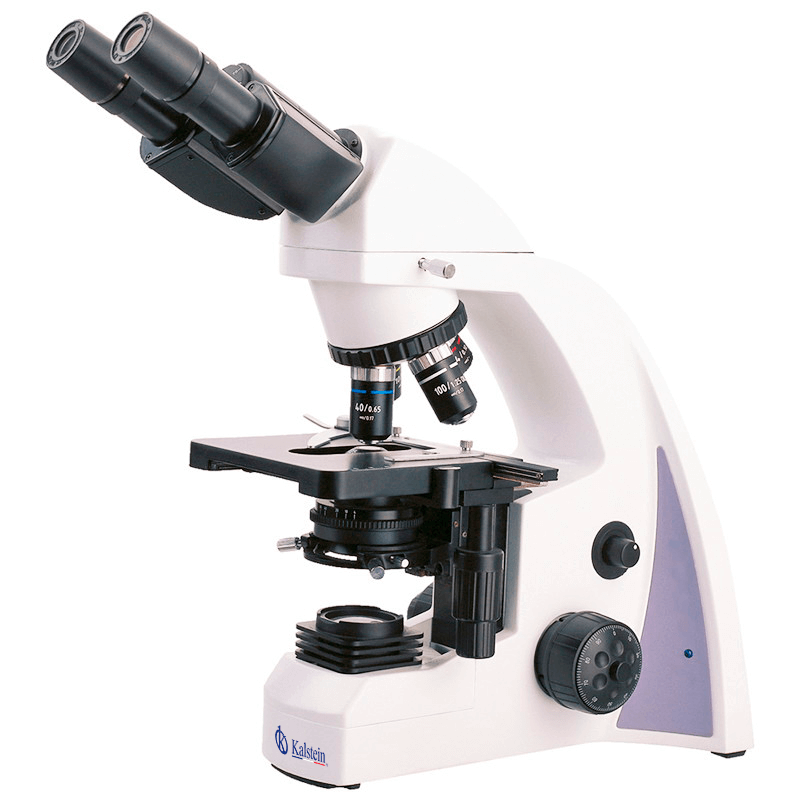
Predictive Maintenance and Recommended Calibration for Laboratory Microscopes
Laboratory microscopes play a crucial role in various scientific applications, including veterinary practices. To ensure they operate optimally, predictive maintenance and regular calibration are essential. This article will delve into the significance of these practices, particularly as they pertain to models such as the Laboratory Microscope YR0237-0-1, YR0237-1, YR0237-1-1, and others. We will explore how effective maintenance strategies can enhance microscope performance, extend lifespan, and ensure compliance with relevant standards.
Understanding Predictive Maintenance in Laboratory Microscopes
Predictive maintenance involves monitoring equipment's performance and condition to predict when maintenance should be performed. This approach minimizes downtime and extends the lifespan of laboratory microscopes, such as the YR0237-1. By employing predictive maintenance strategies, laboratories can reduce repair costs and improve equipment reliability.
Integrating predictive maintenance into laboratory practices involves utilizing technology to gauge the operational status of microscopes. For example, monitoring the mechanical components of models like the YR0237-1-1 can reveal wear patterns that may indicate a need for calibration or servicing.
Recommended Calibration Intervals for Laboratory Microscopes
Calibration is vital for maintaining accuracy in laboratory microscopes. It involves adjusting the equipment to ensure it provides precise measurements and reliable results. For models such as the Laboratory Microscope YR0237-0-1, calibration should be done at least annually, depending on usage frequency and manufacturer guidelines.
Regular calibration helps in identifying discrepancies that may arise from wear and tear. Establishing a calibration schedule tailored to your laboratory's needs can prevent significant issues and maintain compliance with industry standards.
Key Performance Indicators (KPIs) for Monitoring Microscope Maintenance
When implementing predictive maintenance for laboratory microscopes, it's essential to track specific KPIs such as Mean Time Between Failures (MTBF) and Mean Time to Repair (MTTR). These indicators help assess the reliability and performance of equipment like the YR03731-1 fluid handling pipette.
For instance, if the MTBF for a particular microscope is decreasing, it may indicate the need for increased maintenance or a review of operational practices. Maintaining these KPIs will ensure optimal performance and extend equipment lifespan.
Best Practices for Effective Calibration
To ensure effective calibration of laboratory microscopes, follow these best practices:
- Ensure a controlled environment to avoid contamination during calibration.
- Use certified reference standards to verify accuracy.
- Document all calibration activities for compliance and traceability.
- Train personnel on proper calibration techniques to reduce errors.
Adhering to these practices will maintain the integrity of measurements and operational standards for models like YR0237-1.
Comparison of Available Models
| Model | Calibration Frequency (Months) | Weight | Price (USD) | Best For |
|---|---|---|---|---|
| YR0237-0-1 | 12 | - | 437.00 | General laboratory use |
| YR0237-1 | 12 | - | 491.00 | Clinical analysis |
| YR0237-1-1 | 12 | - | 448.10 | Research applications |
| YR03731-1 | 6 | - | 13.00 | Fluid handling |
| YR03731-2 | 6 | - | 13.00 | Fluid handling |
| YR03731-3 | 6 | - | 13.00 | Fluid handling |
Common Mistakes and How to Avoid Them
Laboratories often make several common mistakes regarding maintenance and calibration that can lead to poor performance and compliance issues. These mistakes include:
- Neglecting regular calibration schedules, which can lead to inaccurate results.
- Using unverified reference standards, compromising measurement integrity.
- Failing to train staff appropriately, resulting in errors during maintenance procedures.
To avoid these pitfalls, establish a clear maintenance calendar, utilize certified calibration standards, and provide ongoing training for laboratory personnel.
Frequently Asked Questions
What is the importance of predictive maintenance for laboratory microscopes?
Predictive maintenance enhances the reliability of laboratory microscopes like the YR0237-1 by predicting potential issues before they arise. This approach helps minimize downtime and extends the equipment's operational lifespan.
How often should laboratory microscopes like YR0237-1 be calibrated?
Laboratory microscopes such as the YR0237-1 should be calibrated at least once a year or more frequently depending on usage. Regular calibration ensures measurement accuracy and compliance with industry standards.
What are the key performance indicators for monitoring microscope maintenance?
Key performance indicators like Mean Time Between Failures (MTBF) and Mean Time to Repair (MTTR) are essential for monitoring maintenance efficiency in laboratory microscopes, including models such as the YR0237-1-1.
What best practices should be followed during calibration of laboratory microscopes?
Best practices include utilizing certified reference standards, maintaining a controlled environment, documenting calibration activities, and training personnel in proper techniques to ensure accurate results.
How can I ensure compliance with calibration standards in my laboratory?
Ensuring compliance involves establishing a stringent calibration schedule, using certified standards, and keeping detailed records of all maintenance and calibration activities for models like YR0237-0-1.
Which laboratory microscope model is best for general use?
The Laboratory Microscope YR0237-0-1 is excellent for general laboratory use, providing reliable performance and requiring annual calibration to maintain accuracy.
What are the consequences of neglecting microscope calibration?
Neglecting calibration can lead to inaccuracies in measurements and results, potentially compromising research integrity and compliance with industry standards, particularly for models like YR0237-1.
How can predictive maintenance reduce costs in laboratory environments?
Predictive maintenance reduces costs by minimizing unplanned downtime and extending equipment lifespan, which is especially beneficial for high-use laboratory microscopes like the YR03731-1 fluid handling pipette.
If you are looking for a fusion of innovation and quality, you have come to the right place. At Kalstein, we offer you the luxury of exploring our exclusive catalog of laboratory equipment. We manufacture every device to the highest standards of excellence. Our intuitive and seamless online purchasing channels are designed for your convenience, securing the most competitive prices. Hesitate no longer — we bring science to life, it is time to become part of our community.