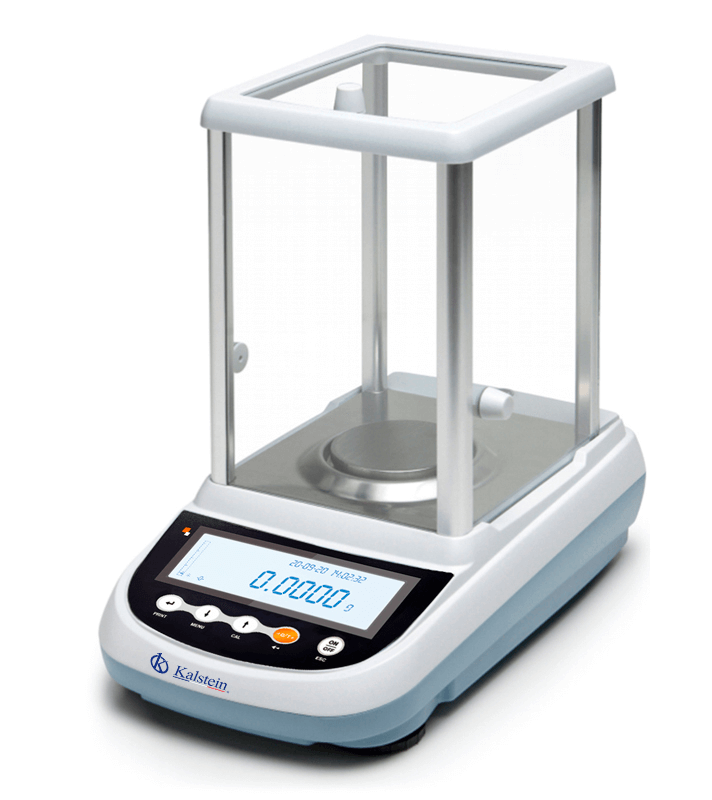
Predictive Maintenance and Recommended Calibration for Analytical Balances
In laboratory environments, precision and accuracy are paramount. Analytical balances are critical tools for achieving these standards. However, their performance can deteriorate without proper maintenance and calibration. This article delves into the significance of predictive maintenance and recommended calibration practices for analytical balances, particularly focusing on models such as YR05568, YR05569, YR05570, YR05571, YR05572, and YR05573. By establishing solid maintenance routines, laboratories can enhance accuracy, reliability, and longevity of their equipment.
Understanding Predictive Maintenance for Analytical Balances
Predictive maintenance is a proactive approach aimed at forecasting equipment failures before they occur. This strategy not only minimizes downtime but also extends the lifespan of analytical balances. Factors such as environmental conditions, usage frequency, and operational stresses can influence the performance of these balances. By utilizing techniques such as condition monitoring and performance analysis, laboratories can schedule maintenance activities effectively, avoiding unexpected failures.
The Role of Calibration in Maintaining Accuracy
Calibration is essential for ensuring that analytical balances provide accurate measurements. Regular calibration checks help detect deviations from the expected performance. In the context of models like YR05568 and YR05573, internal calibration features allow for automatic adjustments, enhancing measurement reliability. Establishing a calibration schedule based on the manufacturer’s recommendations and operational demands is crucial for maintaining optimal performance.
Factors Influencing Calibration Frequency
Several factors determine how often an analytical balance should be calibrated. These include the frequency of use, the stability of the environment, and the sensitivity of the applications performed. For instance, a balance used for high-precision measurements may require more frequent calibration compared to one used for general purposes. It is widely recommended to calibrate balances before significant measurement sessions or after moving them.
Calibration Techniques for Analytical Balances
There are primarily two calibration techniques for analytical balances: internal and external calibration. Internal calibration, such as that found in models like YR05568 and YR05571, is performed routinely and can be automated, enhancing convenience. External calibration, on the other hand, involves using certified calibration weights, offering a high degree of accuracy. Laboratories should choose the method that best fits their operational needs.
Developing a Calibration Plan
A calibration plan outlines the processes and frequencies for calibrating analytical balances. It should include the types of balances in use, calibration intervals, and documentation requirements. For instance, a plan might specify that YR05572 balances require calibration every month, while YR05569 may require checks every two months. Documenting these activities is vital for compliance with quality standards.
Common Mistakes in Balance Calibration
Many laboratories encounter pitfalls when it comes to calibrating analytical balances. Common mistakes include neglecting to calibrate balances before critical measurements, using improper weights, or failing to document calibration events. For example, a lack of records for the YR05570 may lead to non-compliance during audits. Training personnel and adhering to a strict calibration protocol can mitigate these risks.
Impact of Environmental Conditions on Balance Performance
Environmental factors such as temperature, humidity, and vibrations can significantly affect the performance of analytical balances. Models like YR05573 are designed to perform optimally within specific temperature ranges (15-35°C). Laboratories should ensure that their workspaces are climate-controlled and that balances are isolated from drafts and vibrations.
Comparison of Available Models
| Model | Internal Calibration | Capacity (g) | Resolution (g) | Price (USD) |
|---|---|---|---|---|
| YR05568 | Yes | 220 | 0.1 mg | 790.00 |
| YR05569 | Yes | 310 | 0.1 mg | 825.00 |
| YR05570 | Yes | 410 | 0.1 mg | 1080.00 |
| YR05571 | Yes | 510 | 0.1 mg | 1125.00 |
| YR05572 | Yes | 610 | 0.1 mg | 1240.00 |
| YR05573 | Yes | 100 | 0.0001 g | 325.00 |
Common Mistakes and How to Avoid Them
In the context of analytical balance calibration, common mistakes include skipping routine calibrations, using non-certified weights, and failing to account for environmental factors. Laboratories can avoid these mistakes by implementing strict maintenance schedules, training personnel on proper calibration techniques, and regularly verifying environmental conditions. For example, ensuring that YR05570 balances are calibrated before each use can significantly improve measurement accuracy.
Frequently Asked Questions
How often should I calibrate an analytical balance in 2026?
Calibration frequency for analytical balances like the YR05568 should generally be determined based on usage. For high-precision tasks, monthly calibrations are recommended, whereas less critical applications may only require bi-monthly checks. Factors such as environmental stability and usage frequency will dictate the ideal calibration schedule.
What are the benefits of predictive maintenance for analytical balances?
Predictive maintenance allows laboratories to forecast equipment failures, thereby minimizing downtime and repair costs for analytical balances like the YR05571. By monitoring performance and environmental conditions, labs can schedule maintenance at optimal intervals, ensuring consistent measurement accuracy.
Which analytical balance model has the best internal calibration features?
The YR05572 model offers advanced internal calibration features, ensuring measurement accuracy. It boasts a high capacity of 610 grams and is well-suited for laboratories requiring high-precision results. Regular internal calibration enhances reliability and consistency in measurements.
What factors affect the calibration of analytical balances in laboratories?
Various factors can affect the calibration of analytical balances, including environmental conditions, usage frequency, and the type of materials weighed. For example, balances like the YR05573 require specific temperature ranges for optimal performance. Monitoring these factors is crucial for maintaining accuracy.
How can I ensure compliance with analytical balance calibration standards?
To ensure compliance with calibration standards, laboratories should adhere to a strict calibration schedule supported by documentation for each model, such as YR05569. This includes maintaining records of calibration dates, results, and any corrective actions taken, which are essential during audits.
What is the cost of maintaining an analytical balance in 2026?
The maintenance cost for an analytical balance, such as the YR05570, can vary based on calibration frequency and potential repairs. An estimated budget of about $100 to $200 annually per balance can be allocated for routine checks, external calibrations, and maintenance supplies.
What is the expected lifespan of an analytical balance with proper maintenance?
With proper maintenance, analytical balances like the YR05571 can last over 10 years. Regular calibration, cleaning, and environmental control practices significantly contribute to the longevity and performance of these instruments in laboratory settings.
How does environmental control impact the accuracy of analytical balances?
Environmental control is critical for maintaining the accuracy of analytical balances, such as the YR05568. Factors like temperature and humidity can affect measurements. Therefore, maintaining stable conditions and using balances in controlled environments can improve measurement accuracy.
If you are looking for a fusion of innovation and quality, you have come to the right place. At Kalstein, we offer you the luxury of exploring our exclusive catalog of laboratory equipment. We manufacture every device to the highest standards of excellence. Our intuitive and seamless online purchasing channels are designed for your convenience, securing the most competitive prices. Hesitate no longer — we bring science to life, it is time to become part of our community.