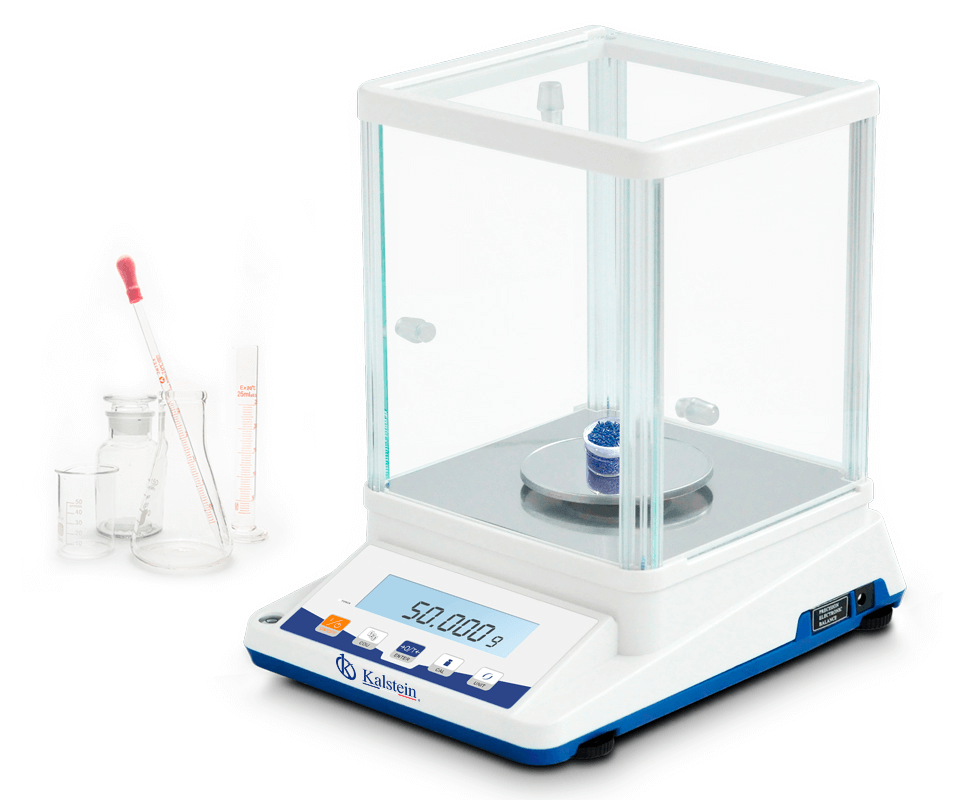
Precision Balances: Predictive Maintenance and Recommended Calibration Strategies 2026
In the realm of laboratory equipment, precision balances stand out as essential instruments for accurately measuring mass. As technology advances in 2026, the emphasis on predictive maintenance and regular calibration becomes critical in ensuring that these balances function optimally. This article delves into the significance of these practices and discusses various models within the precision balance subcategory.
Understanding Predictive Maintenance and Calibration
Predictive maintenance aims to anticipate equipment failures before they occur, thereby minimizing downtime and enhancing productivity. In the context of precision balances, this involves regular checks and calibrations to maintain accuracy. Calibration ensures that the balance provides accurate readings, which is crucial for compliance with industry standards.
The recommended calibration frequency often depends on the usage, environment, and specific applications of the balance. Generally, calibration is suggested at least once every six months, but high-use environments may require more frequent checks.
Common Calibration Techniques for Precision Balances
Calibration techniques vary, but the most common involve using certified calibration weights. These weights should be traceable to national or international standards. During calibration, the balance is adjusted to ensure its accuracy across its entire measurement range. Implementing a calibration log is also a best practice to track all calibration activities and ensure compliance.
Importance of Predictive Maintenance in Laboratory Settings
Predictive maintenance extends the lifespan of laboratory equipment, including precision balances. It involves monitoring the performance and condition of the balance using various techniques, including vibration analysis, thermography, and performance data analytics. By identifying potential issues early, laboratories can schedule repairs and avoid costly disruptions.
Key Performance Indicators (KPIs) for Maintenance
To effectively monitor the condition of precision balances, laboratories should establish KPIs such as Mean Time Between Failures (MTBF) and Mean Time to Repair (MTTR). These metrics help in assessing the efficiency of maintenance practices and can guide decisions on whether to repair or replace equipment.
Comparison of Available Models
| Model | Capacity (g) | Readability (g) | Price (USD) | Best for |
|---|---|---|---|---|
| YR05584 | 110 | 0.001 | 75.00 | General laboratory use |
| YR05585 | 210 | 0.001 | 80.00 | Small sample weighing |
| YR05586 | 310 | 0.001 | 80.00 | Analytical applications |
| YR05587 | 610 | 0.001 | 80.00 | High-capacity weighing |
| YR05588 | 2100 | 0.01 | 31.00 | Lightweight and portable use |
| YR05589 | 3100 | 0.01 | 31.00 | Field and mobile applications |
Common Mistakes and How to Avoid Them
One of the most common mistakes in maintaining precision balances is neglecting regular calibration. Laboratories often prioritize other tasks, leading to inaccurate measurements. To avoid this, establish a strict calibration schedule and adhere to it. Additionally, operators should be trained on proper handling and usage to prevent damage and ensure accurate readings.
Frequently Asked Questions
How often should precision balances be calibrated in 2026?
Calibration of precision balances, like the YR05584, should ideally occur every six months. However, depending on the frequency of use and environmental conditions, more frequent calibrations may be necessary to maintain accuracy.
What are the costs associated with maintaining precision balances?
Maintenance costs can vary, but for example, the YR05585 has a price of $80.00, and regular calibration services might add around $30 to $50 per session, depending on the service provider.
Which features are crucial for predictive maintenance in precision balances?
Key features for predictive maintenance include real-time performance monitoring and integration with data analytics tools. For instance, the YR05586’s advanced features can facilitate predictive maintenance by logging performance data.
What documents are required for calibration of precision balances?
Calibration requires a calibration certificate from a certified provider, which proves that the measurements are traceable to recognized standards. This is essential for models like the YR05587 to meet regulatory compliance.
How can I ensure compliance with calibration standards?
To ensure compliance, establish a documented calibration process and maintain a calibration log. Models like the YR05588 can help by providing accurate, repeatable measurements essential for compliance with ISO standards.
What is the role of predictive maintenance in enhancing balance longevity?
Predictive maintenance helps identify issues before they lead to equipment failure, thus extending the operational life of precision balances. Regular checks for models like the YR05589 can prevent costly replacements.
What is the best practice for storing precision balances?
Precision balances should be stored in clean, dry environments away from drafts and vibrations. Proper storage is crucial for models like the YR05584 to maintain their accuracy and performance.
How do I choose the right precision balance model for my lab needs?
Choosing the right precision balance depends on your specific requirements, including capacity and readability needs. For example, YR05586 is ideal for analytical applications, while YR05587 is better for high-capacity requirements.
If you are looking for a fusion of innovation and quality, you have come to the right place. At Kalstein, we offer you the luxury of exploring our exclusive catalog of laboratory equipment. We manufacture every device to the highest standards of excellence. Our intuitive and seamless online purchasing channels are designed for your convenience, securing the most competitive prices. Hesitate no longer — we bring science to life, it is time to become part of our community.