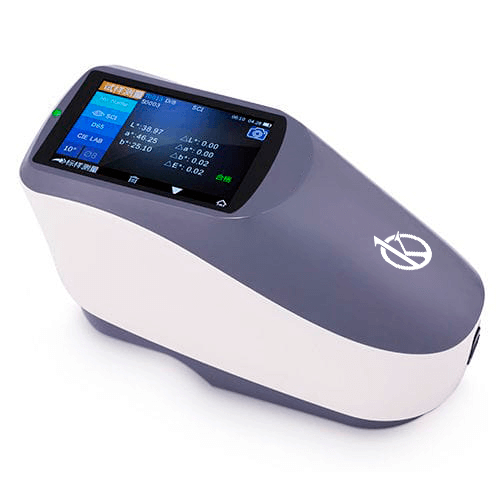
Portable Spectrophotometers: Common Mistakes and How to Avoid Them in Daily Operation 2026
What is it used for in 2026
In 2026, portable spectrophotometers are widely utilized in various fields, including environmental monitoring, quality control in manufacturing, and research laboratories. They measure the intensity of light at specific wavelengths, enabling accurate color analysis, concentration determination, and material characterization. Their user-friendly design allows for on-site measurements, making them essential for professionals requiring portability without compromising accuracy.
History and evolution of the technology
The evolution of spectrophotometry dates back to the early 19th century, where initial designs were cumbersome and analog. With the advent of digital technology, portable spectrophotometers evolved, incorporating advanced sensors and electronic displays. Innovations in optics and computing have led to contemporary models that are compact, efficient, and remarkably precise, making them indispensable tools in laboratories and field research.
How to use it step by step
Using a portable spectrophotometer involves several key steps:
- Preparation: Ensure the device is charged and calibrated. Select the appropriate aperture size based on your sample.
- Sample Preparation: Prepare your sample in a suitable cuvette or holder, ensuring it is clean and free of bubbles.
- Setting Up: Turn on the spectrophotometer and set the wavelength range according to the analysis requirements.
- Calibration: Calibrate the instrument using blank samples to establish a baseline reading.
- Measurement: Place the sample in the spectrophotometer, close the lid, and initiate the measurement process.
- Data Analysis: Analyze the results displayed, which may include absorbance, transmittance, or concentration values.
- Documentation: Record the results meticulously, noting any observations or anomalies during the measurement.
Best techniques and protocols
To achieve accurate results with portable spectrophotometers, best practices include:
- Using high-quality cuvettes to prevent contamination.
- Conducting multiple readings for statistical reliability.
- Maintaining a consistent temperature during measurements.
- Regularly cleaning the optical components to ensure clarity.
- Adhering to established calibration protocols for each specific application.
Practical applications by laboratory type
Portable spectrophotometers serve various laboratories:
- Chemical Laboratories: Used for concentration analysis of solutions.
- Environmental Laboratories: Employed for testing water quality and pollutant levels.
- Biosciences: Utilized for monitoring biochemical reactions and enzyme activity.
- Food and Beverage: Applied for color consistency and quality control in products.
- Material Science: Used for assessing material properties and specifications.
Regulations, standards and certifications
Portable spectrophotometers must comply with various industry standards and regulations:
- ISO standards for measurement accuracy and reliability.
- ASTM guidelines for specific applications in materials testing.
- CIE specifications for color measurement consistency.
Comparison with alternative technologies
While portable spectrophotometers are highly effective, alternative technologies such as colorimeters and traditional bench-top spectrophotometers exist. Colorimeters are generally simpler and more affordable but less versatile, while bench-top models offer greater accuracy but lack portability. Each technology serves unique operational requirements, with portable spectrophotometers bridging the gap between the two.
Comparison of available models
| Model | Best for | Key specs | Recommended use case |
|---|---|---|---|
| YR05503 | Measuring color coordinates in traffic signs | 20 mm aperture, 45/0 geometry | Traffic sign analysis and reflective materials |
| YR05504 | Color analysis in laboratory settings | 8 mm and 4 mm apertures, high precision | Quality control in paints and textiles |
| YR05505 | Cost-effective color transfer applications | Custom apertures of 8 mm, 4 mm, or 2 mm | Textiles and ink industries |
| YR05500 | Comprehensive UV and color analysis | Bluetooth and USB interfaces, high precision | Wide range of laboratory applications |
| YR05501 | Specialized UV color measurements | Bluetooth connectivity, high accuracy | Advanced material analysis |
| YR05502 | UV spectrum analysis and color measurement | Dual aperture, high precision | Laboratory environments requiring precise data |
Common mistakes and how to avoid them
Common mistakes in the usage of portable spectrophotometers include:
- Improper Calibration: Regularly calibrate using appropriate standards to ensure accuracy.
- Sample Contamination: Always handle samples with clean equipment and avoid using dirty cuvettes.
- Neglecting Environmental Factors: Ensure measurements are taken in stable environmental conditions to avoid fluctuations in readings.
- Inconsistent Measurement Protocols: Follow a standardized protocol for all measurements to maintain consistency.
- Ignoring Maintenance: Regularly clean and maintain the device to extend its lifespan and ensure reliable performance.
Maintenance, calibration and good practices 2026
To maintain optimal performance of portable spectrophotometers in 2026:
- Establish a routine maintenance schedule that includes cleaning optical components and checking for software updates.
- Use manufacturer-recommended calibration standards and follow precise calibration protocols.
- Document all maintenance and calibration activities for traceability and compliance.
- Increased Efficiency: On-site measurements save time and transport costs.
- Versatility: Suitable for various applications across different industries.
- Data Accuracy: High precision leads to better quality control and research outcomes.
- Lower Operational Costs: Reduced need for laboratory space and resources.
Cost-benefit analysis 2026
Investing in portable spectrophotometers yields significant benefits, including:
Frequently asked questions
What should I consider when choosing a portable spectrophotometer?
When selecting a portable spectrophotometer, consider factors such as measurement range, aperture size, connectivity options (like Bluetooth or USB), and specific applications needed in your field.
How often should I calibrate my spectrophotometer?
Calibration frequency depends on the usage intensity; it's recommended to calibrate before each significant series of measurements to ensure accuracy.
Can I use the spectrophotometer for different types of samples?
Yes, portable spectrophotometers can be used for various samples, but ensure you use appropriate cuvettes and follow specific protocols for different types of materials.
What is the importance of maintaining my spectrophotometer?
Regular maintenance ensures the longevity of the device, maintains accuracy in measurements, and prevents unexpected failures during critical operations.
How do I interpret the measurements from the spectrophotometer?
Measurements can be interpreted based on the specific application; for color analysis, you would compare readings against known standards or specifications.
Are there specific cleaning practices for the spectrophotometer?
Yes, use lint-free cloths and appropriate cleaning solutions to avoid damaging optical surfaces and ensure consistent performance.
What is the average cost of a portable spectrophotometer?
The cost varies significantly based on features and specifications, ranging from approximately $1,740 to $2,695 for high-quality models.
If you are looking for a fusion of innovation and quality, you have come to the right place. At Kalstein, we offer you the luxury of exploring our exclusive catalog of laboratory equipment. We manufacture every device to the highest standards of excellence. Our intuitive and seamless online purchasing channels are designed for your convenience, securing the most competitive prices. Hesitate no longer — we bring science to life, it is time to become part of our community.