Portable Benchtop Spectrophotometers: Common Mistakes and How to Avoid Them in Daily Operations 2026
What is it used for in 2026
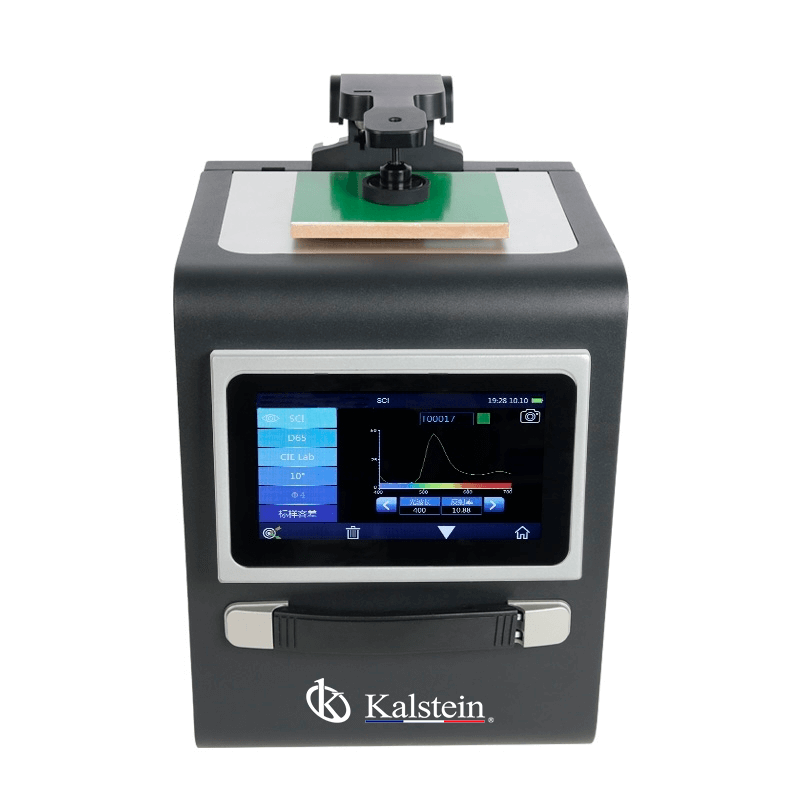
In 2026, portable benchtop spectrophotometers are critical tools used across various laboratories for precise color measurement and quality control. They are designed for applications in industries such as plastics, textiles, and electronics, allowing professionals to assess color differences, ensure product consistency, and adhere to industry standards. These instruments are particularly beneficial for tasks requiring accurate color analysis, such as paint formulation and quality assurance in textile dyeing processes.
History and evolution of the technology
The evolution of spectrophotometry dates back to the early 19th century. Initially, the technology relied on simple optical devices for basic color measurement. As scientific understanding and technology progressed through the 20th century, spectrophotometers transformed from bulky laboratory instruments to more compact and portable designs. The introduction of CMOS sensors and advanced algorithms in recent decades has further enhanced measurement accuracy and operational convenience, making modern portable benchtop spectrophotometers essential in today's laboratories.
How to use it step by step
- Preparation: Ensure the spectrophotometer is calibrated and clean. Turn on the device and allow it to warm up according to the manufacturer’s instructions.
- Sample Preparation: Prepare your color samples following the specific guidelines for your material type to ensure consistent measurements.
- Setting Parameters: Select the appropriate measurement mode (45/0 or D/8) based on the sample and desired analysis.
- Measurement: Place the sample in the designated area. Use the device’s interface to initiate the measurement, ensuring proper alignment and focus.
- Data Recording: Once the measurement is complete, save the data as per laboratory protocols. Document any observations regarding the sample’s characteristics.
Best techniques and protocols
Adopting best practices in spectrophotometry includes maintaining consistent lighting conditions, using calibrated standards for comparison, and ensuring that the device’s optics are clean. Regularly review and follow standard operating procedures (SOPs) tailored to your laboratory’s specific applications. Implementing a systematic approach to sample handling and measurement can significantly improve the reliability of results.
Practical applications by laboratory type
Portable benchtop spectrophotometers are utilized in various laboratory environments:
- Paint and Coatings: Color formulation and quality control to ensure consistent product appearance.
- Textiles: Evaluation of dye lot variations and color matching in fabric production.
- Plastics: Monitoring color consistency in injection molded products.
- Ceramics: Assessing glaze colors and achieving desired aesthetics in ceramic products.
Regulations, standards and certifications
In laboratory settings, compliance with industry standards such as ISO 9001 for quality management and ASTM E1164 for color measurement is crucial. Laboratories should regularly verify that their portable spectrophotometers meet these standards to ensure reliable operation and data integrity. Regular audits and adherence to these regulations support quality assurance and enhance customer trust in laboratory results.
Comparison with alternative technologies
Compared to traditional color measurement methods, portable benchtop spectrophotometers offer significant advantages, including higher accuracy, faster measurement times, and the ability to capture a wider spectrum of color data. While colorimetric methods are still valuable, the advanced functionalities of spectrophotometers facilitate more comprehensive analysis, making them preferable in many applications.
Comparison of available models
| Model | Best for | Key specs | Recommended use case |
|---|---|---|---|
| YR05484 | Precise color measurement | Price: $4730, 45/0 geometry | Best for quality control in plastics and textiles |
| YR05485 | Large sample analysis | Price: $4950, D/8 geometry | Ideal for textiles and paint formulations |
| YR05486 | Adaptability in measurement | Price: $4640, D/8 geometry | Great for ceramics and electronic materials |
| YR05487 | Color quality control | Price: $4018, D/8 geometry | Suits textiles and plastic industries |
Common mistakes and how to avoid them
Common mistakes in using portable benchtop spectrophotometers include:
- Neglecting Calibration: Regular calibration ensures accuracy. Schedule calibrations according to the manufacturer’s guidelines.
- Poor Sample Preparation: Ensure samples are clean and properly positioned. Inconsistent surfaces can lead to inaccurate readings.
- Ignoring Environmental Factors: Control ambient light and temperature to minimize external influences on measurements.
Maintenance, calibration and good practices 2026
To maintain the integrity of portable benchtop spectrophotometers, implement the following practices:
- Routine Cleaning: Regularly clean the optical components and sample holders to eliminate contaminants.
- Scheduled Maintenance: Follow a routine maintenance schedule as recommended by the manufacturer.
- Documentation: Keep detailed records of all calibration and maintenance activities to ensure compliance with industry standards.
Cost-benefit analysis 2026
Investing in a portable benchtop spectrophotometer provides significant long-term benefits, including enhanced accuracy, time savings, and improved product quality. The initial cost can be recouped through increased efficiency and reduced waste in production processes. A thorough cost-benefit analysis should consider factors such as operational costs, the value of accurate measurements, and potential savings from reduced product rejections.
Frequently asked questions
What are the primary factors to consider when choosing a portable benchtop spectrophotometer?
Consider factors such as measurement geometry, versatility for different materials, ease of use, and calibration capabilities when selecting a spectrophotometer. Additionally, assess the specific needs of your lab and the types of materials you will be measuring.
How often should I calibrate my spectrophotometer?
Calibration frequency can depend on the usage and manufacturer recommendations. Generally, monthly calibrations are advisable for high-use environments, while less frequent use may only require quarterly calibrations.
Can I use a portable spectrophotometer for all types of color measurements?
While portable spectrophotometers are versatile, certain applications may require specific models optimized for particular materials or measurement geometries. Always verify that the chosen model meets your application requirements.
What are some tips for accurate sample measurement?
Ensure that samples are clean, consistent in thickness, and correctly positioned in the spectrophotometer. It’s also important to maintain stable environmental conditions to minimize interference.
Is training necessary for using a portable benchtop spectrophotometer?
Yes, proper training is essential to effectively operate the instrument, interpret results accurately, and implement maintenance procedures. Consider providing training for all laboratory personnel who will use the spectrophotometer.
How does one perform maintenance on these devices?
Maintenance involves routine cleaning of optical components, regular calibration checks, and following the manufacturer's maintenance guidelines. Keeping a log of maintenance activities can ensure compliance and improve instrument longevity.
If you are looking for a fusion of innovation and quality, you have come to the right place. At Kalstein, we offer you the luxury of exploring our exclusive catalog of laboratory equipment. We manufacture every device to the highest standards of excellence. Our intuitive and seamless online purchasing channels are designed for your convenience, securing the most competitive prices. Hesitate no longer — we bring science to life, it is time to become part of our community.