Plant Growth Chambers: Common Mistakes and How to Avoid Them in Daily Operation 2026
What is it used for in 2026
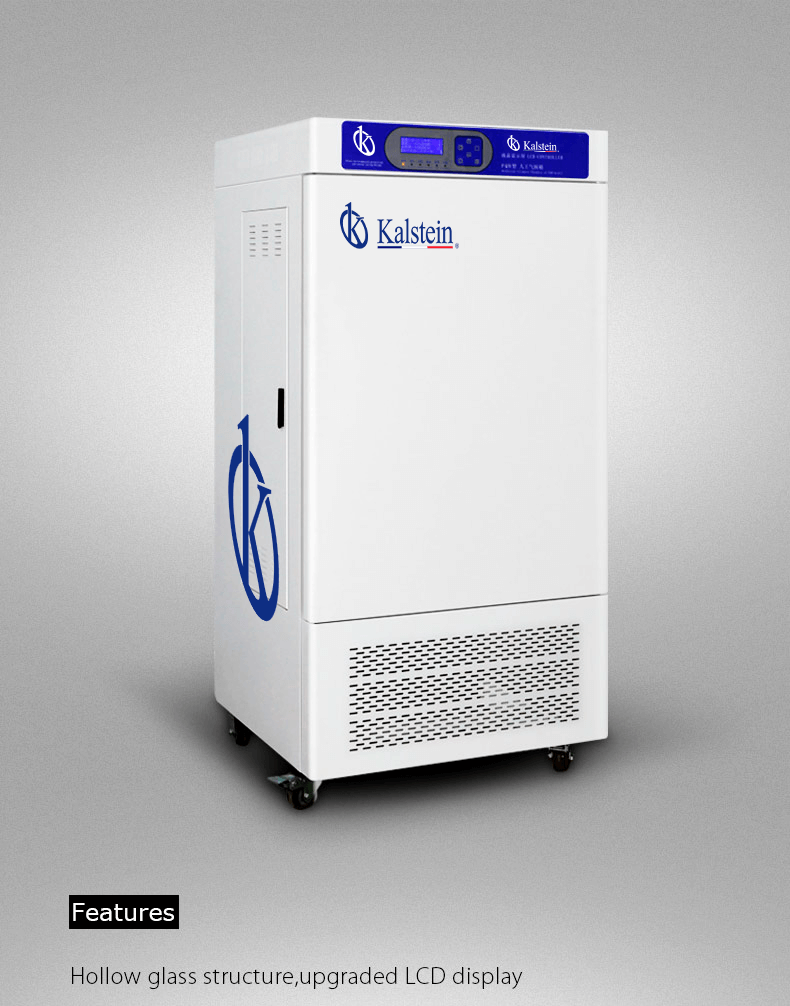
Plant Growth Chambers are essential for providing controlled environmental conditions for plants, seeds, and microorganisms. In 2026, they are predominantly used in research laboratories, agriculture, and horticulture to study plant growth, perform germination tests, and assess the impact of varying light and temperature conditions on plant development.
History and evolution of the technology
The evolution of Plant Growth Chambers can be traced back to the need for controlled plant growth environments. Initially, rudimentary setups using greenhouses were employed, but as technology advanced, more sophisticated chambers were developed. Today's Plant Growth Chambers, like the YR05331, YR05332, and YR05333 models, offer precision control over temperature, light intensity, and humidity, enabling researchers to conduct detailed experiments under consistent conditions.
How to use it step by step
Using a Plant Growth Chamber effectively involves the following steps:
- Preparation: Ensure the chamber is clean and free from any contaminants.
- Set Parameters: Input the desired temperature, light intensity, and humidity settings based on your experimental needs.
- Load Samples: Organize and place your samples within the chamber, making sure to leave adequate space for air circulation.
- Monitoring: Regularly check the chamber's internal conditions to ensure they remain consistent with your set parameters.
- Data Collection: Collect data at specified intervals to analyze plant growth and development.
- Post-Experiment Clean-Up: After your experiment, clean the chamber thoroughly to avoid cross-contamination.
Best techniques and protocols
Implementing the right techniques and protocols is crucial for successful outcomes. Some best practices include:
- Utilizing multiple light settings to mimic natural conditions.
- Regularly calibrating temperature and humidity sensors.
- Keeping detailed logs of growth conditions and plant responses.
- Conducting preliminary trials to optimize conditions before running full experiments.
Practical applications by laboratory type
Plant Growth Chambers serve various applications depending on the type of laboratory:
- Agricultural Research Labs: Used for seed germination studies and crop performance assessments.
- Biotechnology Labs: Essential for tissue culture and genetic modification experiments.
- Pharmaceutical Labs: Used in testing the efficacy of plant-derived compounds.
Regulations, standards and certifications
Adhering to established regulations and standards is critical. Common standards include:
- ISO 9001 for quality management systems.
- ASTM standards for environmental testing procedures.
- Good Laboratory Practice (GLP) guidelines to ensure reliability and reproducibility of results.
Comparison with alternative technologies
While Plant Growth Chambers are widely used, alternative technologies exist, such as:
- Vertical Farms: Provide controlled environments but may lack the precise settings of growth chambers.
- Greenhouses: Offer natural light but are less controlled compared to chambers.
Comparison of available models
| Model | Best for | Key specs | Recommended use case |
|---|---|---|---|
| YR05331 | Seed germination and temperature constant experiments | Temperature Range: 10~50°C (with light), 5~60°C (without light); Lighting: 0~10000 LX; Volume: 150 L | Ideal for biology and agriculture experiments |
| YR05332 | Microbial and product quality tests | Temperature Range: 10~50°C (with light), 5~60°C (without light); Lighting: 0~15000 LX; Volume: 250 L | Suitable for veterinary and agricultural studies |
| YR05333 | Advanced plant growth and constant temperature testing | Temperature Range: 10~50°C (with light), 5~60°C (without light); Lighting: 0~15000 LX; Volume: 350 L | Best for extensive biological research |
Common mistakes and how to avoid them
Here are some common mistakes made when using Plant Growth Chambers and how to avoid them:
- Incorrect Temperature Settings: Always double-check settings before starting experiments.
- Lack of Monitoring: Regularly monitor conditions to ensure stability.
- Overcrowding Samples: Ensure proper spacing for air circulation.
Maintenance, calibration and good practices 2026
Maintaining a Plant Growth Chamber involves:
- Regular cleaning of the interior and exterior surfaces.
- Calibrating sensors at least once a month.
- Replacing any worn-out components to maintain efficiency.
Cost-benefit analysis 2026
When considering a Plant Growth Chamber, evaluate:
- Initial purchase cost vs. long-term research capabilities.
- Potential for high-quality results and data collection.
- Operational costs such as energy consumption and maintenance.
Frequently asked questions
What should I consider when choosing a Plant Growth Chamber?
Consider factors such as the size, temperature range, lighting capabilities, and specific applications of the chamber.
How often should I calibrate the equipment?
It is recommended to calibrate your Plant Growth Chamber at least once a month to ensure accurate readings and performance.
Can I use it for all types of plants?
Yes, Plant Growth Chambers can be adjusted to accommodate various plant types, but you should set specific conditions based on the plant species you are working with.
What is the best way to monitor conditions inside the chamber?
Use built-in sensors and external data logging devices to monitor temperature, humidity, and light intensity continuously.
How do I ensure my samples do not get contaminated?
Maintain strict hygiene protocols, regularly clean the chamber, and avoid overcrowding your samples.
What practices help improve plant growth in the chamber?
Utilize appropriate light cycles, maintain optimal temperature and humidity levels, and ensure adequate ventilation for healthy plant growth.
Where can I get the best deals on Plant Growth Chambers?
Request a quote on Kalstein Plus to explore competitive pricing and options for high-quality Plant Growth Chambers.
If you are looking for a fusion of innovation and quality, you have come to the right place. At Kalstein, we offer you the luxury of exploring our exclusive catalog of laboratory equipment. We manufacture every device to the highest standards of excellence. Our intuitive and seamless online purchasing channels are designed for your convenience, securing the most competitive prices. Hesitate no longer — we bring science to life, it is time to become part of our community.