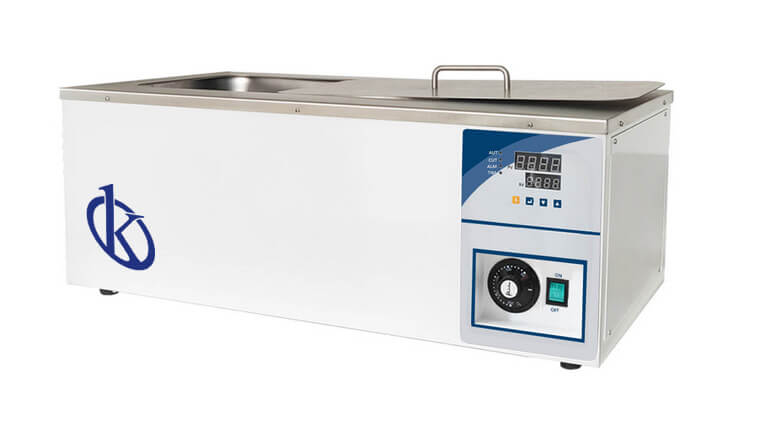
Oil Baths: Practical Applications and Techniques 2026
What is it used for in 2026
Oil baths are critical equipment in many laboratory settings, including clinical and research laboratories. They provide stable heating for various applications such as temperature-sensitive experiments, chemical reactions, and sample preservation. In 2026, their primary uses include:
- Heating Samples: Oil baths are used to maintain a specific temperature for samples, especially in bioengineering and medical applications.
- Preparing Chemical Reactions: They facilitate controlled heating for chemical reactions requiring precise temperature settings.
- Testing Material Properties: Oil baths are used to test the physical properties of materials under specific thermal conditions.
- Food Industry Applications: They are employed in food testing and quality control processes.
History and evolution of the technology
The use of oil baths has its roots in the early experimentation of laboratory heating systems. Initially, researchers utilized simpler heating methods, but as the demand for precise temperature control increased, the technology evolved. The introduction of microprocessor-based control systems in the late 20th century revolutionized oil baths, allowing for enhanced precision, stability, and user-friendliness. Today, oil baths incorporate advanced features such as PID control, ensuring that temperature fluctuations are minimized, which is vital for accurate laboratory outcomes.
How to use it step by step
Using an oil bath effectively requires following several key steps:
- Preparation: Ensure the oil bath is clean and free of contaminants. Select the appropriate oil for your application, considering factors like temperature range and viscosity.
- Temperature Settings: Set the desired temperature using the control panel. Monitor the temperature as it rises to ensure accuracy.
- Sample Placement: Carefully place your samples within the oil bath, making sure they do not touch the sides or bottom to avoid overheating.
- Monitoring: Regularly check the temperature and make adjustments as necessary. Utilize alarms and timers to maintain safety and accuracy.
- Post-use Cleanup: After the experiment, turn off the oil bath and allow it to cool before cleaning the interior and exterior surfaces thoroughly.
Best techniques and protocols
To optimize the use of oil baths, consider the following techniques and protocols:
- Calibration: Regularly calibrate the temperature sensor to ensure accurate readings.
- Use of Thermocouples: Employ thermocouples for accurate temperature measurement within the oil bath.
- Implementing Safety Measures: Always use protective gear when handling hot samples. Set up emergency shutoff mechanisms for unexpected situations.
- Utilization of Timers: Incorporate timers to control the duration of heating, reducing the risk of overheating samples.
Practical applications by laboratory type
Different types of laboratories employ oil baths for various applications:
Clinical Laboratories
In clinical settings, oil baths are used for maintaining the temperature of biological samples during analysis, ensuring accurate results in temperature-sensitive assays.
Research Laboratories
Research labs utilize oil baths for experiments that require controlled heating, such as reaction kinetics and material testing.
Food Industry Laboratories
In food safety and quality control laboratories, oil baths help test the thermal properties of food products, ensuring compliance with safety standards.
Industrial Laboratories
Industrial labs use oil baths in the development and testing of materials, ensuring that new products meet specific temperature tolerances.
Regulations, standards and certifications
Using oil baths in laboratory settings must comply with various regulations and standards to ensure safety and performance. These include:
- ISO Standards: Adhering to ISO standards for laboratory equipment to ensure safety and reliability.
- Good Laboratory Practices (GLP): Following GLP protocols to maintain the integrity of experiments.
- Occupational Safety Regulations: Complying with safety regulations to protect laboratory personnel from hazards associated with hot equipment.
Comparison with alternative technologies
While oil baths are widely used, alternative heating technologies exist, such as water baths and heating mantles. Here’s a brief comparison:
| Technology | Advantages | Disadvantages |
|---|---|---|
| Oil Baths | Stable temperatures, suitable for high-temperature applications. | Potential for oil degradation over time. |
| Water Baths | Easy to maintain, less hazardous. | Limited temperature range, slower heating. |
| Heating Mantles | Direct heating, user-friendly. | Less stable temperature control compared to oil baths. |
Comparison of available models
| Model | Best for | Key specs | Recommended use case |
|---|---|---|---|
| YR04973 | General heating in laboratories | 1000W, 220V / 50Hz, Temperature range: RT +5~250°C | Ideal for bioengineering applications |
| YR04974 | Temperature-sensitive experiments | 1200W, 220V / 50Hz, Temperature range: RT +5~250°C | Excellent for university laboratories |
| YR04975 | Chemical reactions | 1600W, 220V / 50Hz, Temperature range: RT +5~250°C | Best for industrial laboratory settings |
| YR04976 | Material properties testing | 2000W, 220V / 50Hz, Temperature range: RT +5~250°C | Perfect for rigorous testing environments |
Common mistakes and how to avoid them
Here are some common mistakes made when using oil baths and how to avoid them:
- Overheating Samples: Always monitor temperatures and use timers to prevent overheating.
- Improper Calibration: Regularly calibrate your equipment to ensure accurate temperature readings.
- Neglecting Safety Protocols: Always wear protective equipment and ensure the area around the oil bath is clear of hazards.
- Inadequate Cleaning: Clean the oil bath thoroughly after each use to maintain performance and prevent contamination.
Maintenance, calibration and good practices 2026
To ensure optimal performance of oil baths, perform regular maintenance and calibration:
- Daily Checks: Check the oil level and top off as necessary to maintain proper function.
- Regular Cleaning: Clean the oil bath after each use to prevent residue buildup.
- Calibration Schedule: Set a routine for calibrating temperature controls to ensure accuracy over time.
- Oil Replacement: Replace the oil periodically to prevent degradation and maintain performance.
Cost-benefit analysis 2026
Investing in oil baths offers significant benefits for laboratory use:
- Efficiency: The precision and stability offered by oil baths enhance the efficacy of experiments, leading to better results.
- Long-term Investment: While the initial cost may be higher, the durability and reliability of oil baths make them a cost-effective choice over time.
- Versatility: Their ability to handle a wide range of applications makes them a valuable tool in various laboratory settings.
Frequently asked questions
What types of oil are recommended for use in oil baths?
It is recommended to use oils with a high boiling point and low viscosity. Common choices include mineral oil and silicone oil, as they provide stable temperature ranges and do not degrade easily.
How do I determine the right temperature for my application?
The right temperature depends on the specific requirements of your experiment or application. Always refer to standard protocols or guidelines relevant to your field.
Can I use oil baths for heating flammable solutions?
It is not advisable to use oil baths for flammable solutions as the risk of ignition increases. Always consult safety data sheets for the materials you are working with.
What is the lifespan of an oil bath?
The lifespan of an oil bath can vary based on usage and maintenance, but typically they last several years if properly cared for and cleaned regularly.
How often should the oil in the bath be replaced?
Oil should be replaced every 6 to 12 months, depending on usage. Regular checks for clarity and contamination can help determine when a replacement is necessary.
What measures should be taken to ensure safety while using oil baths?
Always wear appropriate personal protective equipment (PPE), ensure proper ventilation in the laboratory, and keep a fire extinguisher nearby. Regularly check equipment for safety compliance.
Where can I request a quote for oil baths?
You can request a quote for oil baths and other laboratory equipment by contacting Kalstein directly through their customer service channels.
If you are looking for a fusion of innovation and quality, you have come to the right place. At Kalstein, we offer you the luxury of exploring our exclusive catalog of laboratory equipment. We manufacture every device to the highest standards of excellence. Our intuitive and seamless online purchasing channels are designed for your convenience, securing the most competitive prices. Hesitate no longer — we bring science to life, it is time to become part of our community.