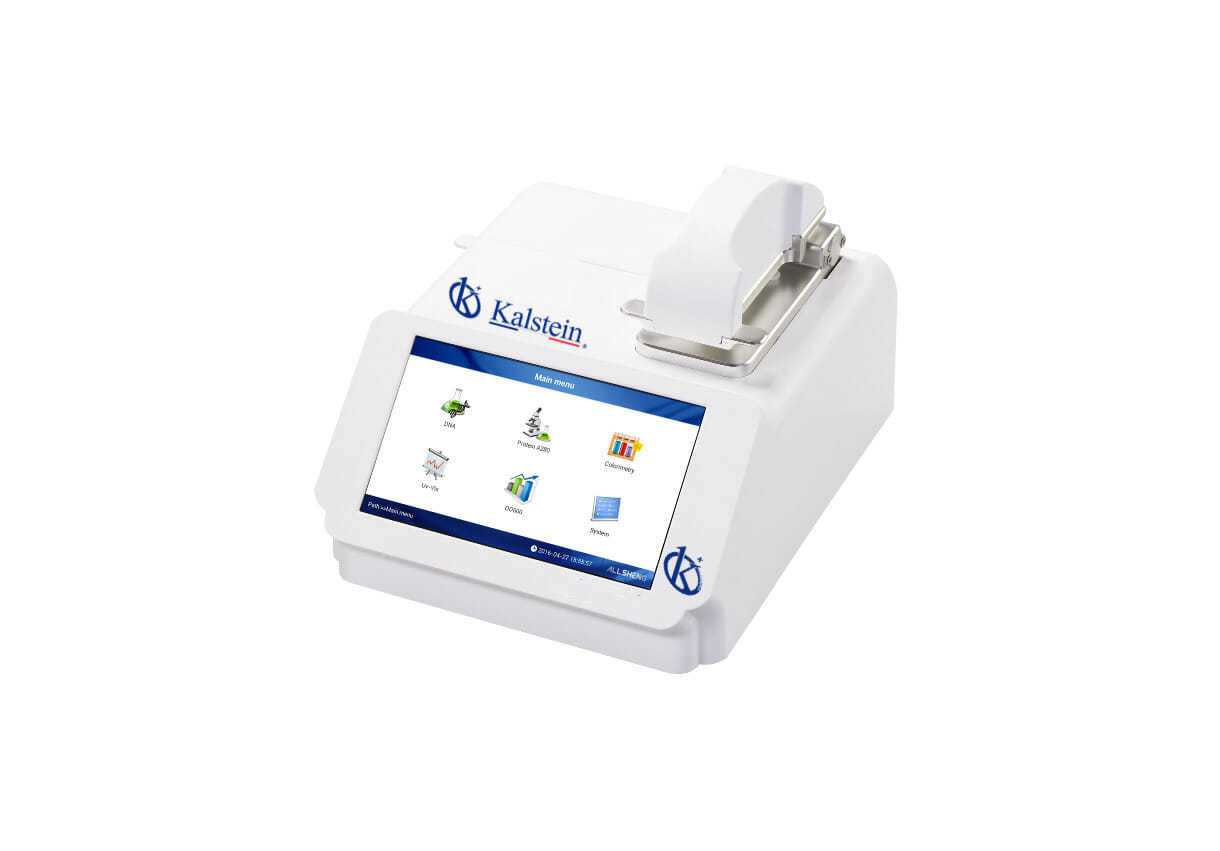
Micro-Spectrophotometers: Practical Applications and Techniques 2026
What is it used for in 2026
Micro-spectrophotometers are essential instruments in modern laboratories, primarily used for measuring the absorbance and transmittance of light in very small sample volumes, typically ranging from 0.5 to 2.0 μl. In 2026, they have become crucial for applications in molecular biology, biochemistry, and analytical chemistry, allowing researchers to analyze nucleic acids, proteins, and other biomolecules with high precision and speed. Their ability to provide rapid and accurate measurements makes them invaluable for tasks such as quantifying DNA, RNA, and protein concentrations, which are fundamental in various experiments, including cloning, PCR, and protein assays.
History and evolution of the technology
The development of micro-spectrophotometers dates back to the early days of spectrophotometry, with the aim to create devices capable of analyzing smaller sample sizes. Initial models were large and required significant sample volumes, but as technology advanced, miniaturization became feasible. The introduction of fiber optics and improved detector technology, such as CCD sensors, allowed for more compact designs, leading to the modern micro-spectrophotometers we see today. Over the years, features such as touchscreen interfaces, Bluetooth connectivity, and advanced software for data analysis have been integrated, enhancing usability and functionality.
How to use it step by step
Using a micro-spectrophotometer involves several straightforward steps:
- Preparation: Ensure that the device is calibrated and clean. Select the appropriate wavelength for measurement based on the type of analyte.
- Sample Loading: Pipette the required volume of sample (typically 1-2 μl) directly onto the measurement area without the need for cuvettes.
- Measurement: Initiate the measurement process through the touchscreen interface. The device will automatically detect the sample.
- Data Analysis: Once the measurement is complete, review the results displayed on the screen. Utilize the software features to analyze and save data.
- Cleaning: After usage, clean the measurement area to avoid cross-contamination for future samples.
Best techniques and protocols
To achieve optimal results when using micro-spectrophotometers, it is essential to follow certain techniques and protocols:
- Always calibrate the instrument using appropriate standards and blank samples before initiating measurements.
- Use clean, disposable tips to avoid contamination between samples.
- For nucleic acid quantification, measure at 260 nm and 280 nm to assess purity and concentration.
- Handle samples gently to avoid bubble formation which can impact the readings.
Practical applications by laboratory type
Micro-spectrophotometers find utility across various laboratory types:
- Research Laboratories: Ideal for quantifying nucleic acids and proteins in molecular biology research.
- Clinical Laboratories: Used for analyzing patient samples for DNA, RNA, and protein levels.
- Quality Control Laboratories: Important in industries like pharmaceuticals for ensuring the quality and purity of biopharmaceuticals.
Regulations, standards and certifications
When using micro-spectrophotometers, laboratories must adhere to several regulations and standards to ensure compliance and quality assurance:
- ISO/IEC 17025: General requirements for the competence of testing and calibration laboratories.
- Good Laboratory Practice (GLP): Ensures the reliability and reproducibility of test results.
- FDA regulations for clinical laboratories concerning the accuracy and reliability of diagnostic testing.
Comparison with alternative technologies
While micro-spectrophotometers are essential tools, they also face competition from alternative technologies such as:
- Fluorometers: More sensitive for detecting specific biomolecules, but generally require higher sample volumes.
- Nanodrop Devices: Similar applications but may have limitations in dynamic range and the range of detectable analytes.
Comparison of available models
| Model | Best for | Key specs | Recommended use case |
|---|---|---|---|
| YR06033-1 | Detecting nucleic acids, proteins, and bacterial growth. | 200-800 nm, 0.5-2.0 μl, 5s measurement time. | Routine analysis of samples in biology labs. |
| YR06034 | Quantifying DNA and RNA concentrations. | 260 nm, 1-2 μl, <6s measurement time. | Suitable for quick DNA/RNA quantification. |
| YR06035 | Advanced analysis of nucleic acids and proteins. | 200-800 nm, 0.5-2.0 μl, <6s measurement time. | Ideal for in-depth life sciences research. |
| YR06033 | Accurate measurement of biomolecules in research. | 190-1100 nm, 1 μl minimum sample, 5s measurement time. | Best for labs needing a versatile and portable solution. |
Common mistakes and how to avoid them
In the use of micro-spectrophotometers, common mistakes can lead to inaccurate results. Here are some common pitfalls and tips to avoid them:
- Not calibrating the device: Always perform calibration with blank and control samples before starting measurements.
- Improper sample handling: Avoid using contaminated or improperly prepared samples to prevent skewed results.
- Neglecting maintenance: Regular cleaning and maintenance can prevent technical malfunctions that affect accuracy.
Maintenance, calibration and good practices 2026
Proper maintenance and calibration of micro-spectrophotometers are vital for ensuring longevity and accuracy:
- Calibrate the instrument regularly, especially after extensive use or when switching sample types.
- Clean optical surfaces after each use to prevent residue buildup.
- Document maintenance activities to track the performance and functionality of the device.
Cost-benefit analysis 2026
When considering the investment in micro-spectrophotometers, performing a cost-benefit analysis can help laboratories make informed decisions:
- Initial Investment: The cost of micro-spectrophotometers varies based on features and specifications, with prices ranging from $2,520 to $7,500.
- Operational Savings: The ability to conduct multiple analyses quickly can save time and labor costs in the long run.
- Increased Efficiency: Investing in these instruments can lead to higher throughput, enhancing laboratory productivity.
Frequently asked questions
What are the key factors to consider when choosing a micro-spectrophotometer?
Key factors include the wavelength range, sample volume requirements, speed of analysis, and additional features such as software capabilities and user interface.
How important is calibration for micro-spectrophotometers?
Calibration is crucial for ensuring accurate measurements. Regular calibration helps maintain the instrument's performance and reliability.
Can micro-spectrophotometers measure both DNA and protein concentrations?
Yes, most modern micro-spectrophotometers can measure various biomolecules, including DNA, RNA, and proteins, by selecting appropriate wavelengths for analysis.
What common mistakes should I avoid when using a micro-spectrophotometer?
Avoid contamination of samples, neglecting calibration, and using the device without proper cleaning between samples to ensure accuracy.
What maintenance practices should be followed for these instruments?
Regular cleaning of optical surfaces, timely calibration, and documenting maintenance activities are essential for optimal performance.
How can I maximize the efficiency of my laboratory using micro-spectrophotometers?
Implementing standard operating procedures for usage, maintaining regular calibration, and training staff on best practices will help maximize efficiency.
Where can I request a quote for a micro-spectrophotometer?
You can request a quote directly through our sales channels to find the best options for your laboratory needs.
If you are looking for a fusion of innovation and quality, you have come to the right place. At Kalstein, we offer you the luxury of exploring our exclusive catalog of laboratory equipment. We manufacture every device to the highest standards of excellence. Our intuitive and seamless online purchasing channels are designed for your convenience, securing the most competitive prices. Hesitate no longer — we bring science to life, it is time to become part of our community.