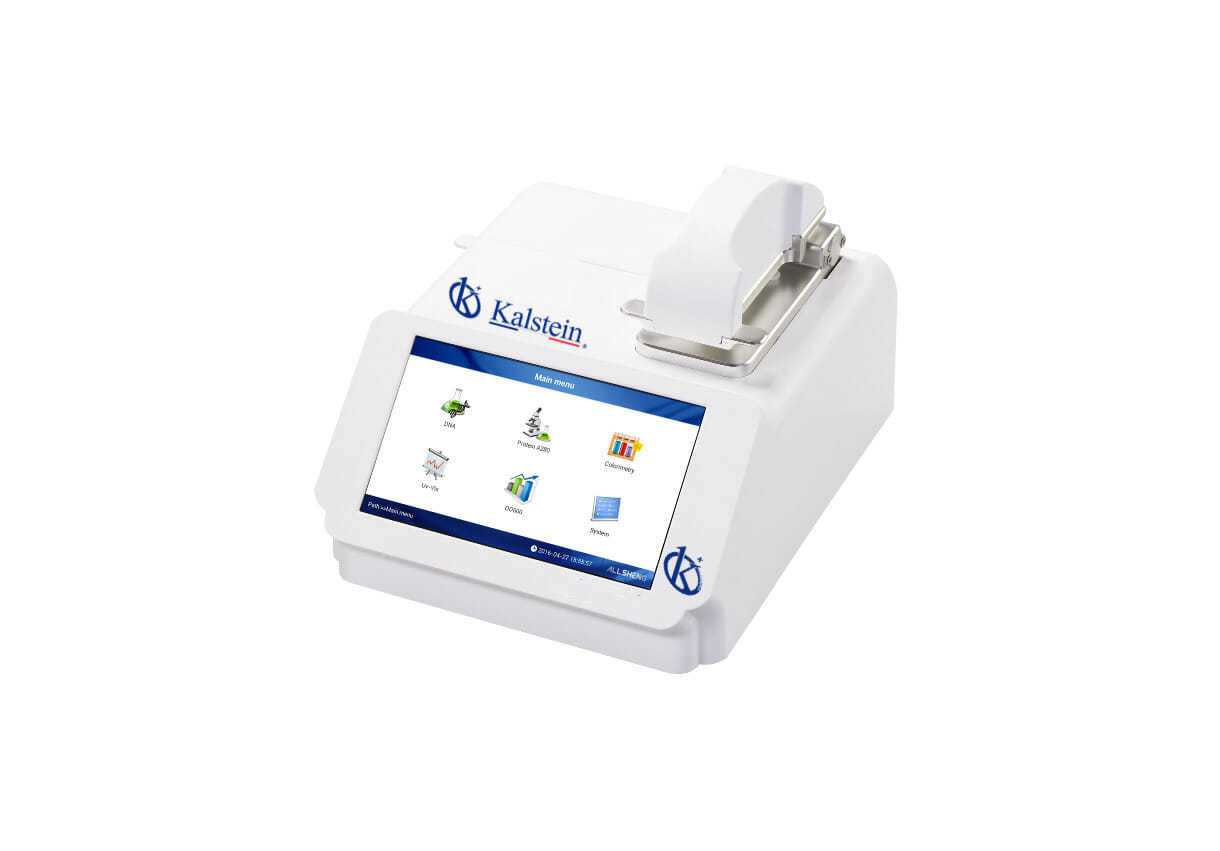
Micro-Spectrophotometers: LIMS Integration and Data Flow Digitalization 2026
In the ever-evolving landscape of laboratory technology, micro-spectrophotometers have emerged as indispensable tools for researchers and technicians. The focus of this article is to explore the integration of these devices with Laboratory Information Management Systems (LIMS) and the digitalization of data flow in 2026. With the increasing demand for efficiency and accuracy in laboratory settings, understanding how micro-spectrophotometers can streamline workflows is paramount.
Understanding Micro-Spectrophotometers in the Context of LIMS
Micro-spectrophotometers are specialized instruments designed to analyze small volumes of samples, typically ranging from 0.5 to 2 μl. They play a crucial role in quantifying nucleic acids, proteins, and other cellular components, providing rapid and precise measurements. In 2026, the integration with LIMS is becoming increasingly important, as it allows for seamless data management and enhances the overall productivity of laboratory operations.
Key Benefits of LIMS Integration
Integrating micro-spectrophotometers with LIMS offers several advantages:
- Automated Data Entry: Reduces human error and ensures accurate data capture.
- Real-Time Monitoring: Allows researchers to track sample status and results instantly.
- Improved Data Accessibility: Facilitates sharing of results across departments.
- Compliance and Traceability: Ensures adherence to regulatory standards and enhances accountability of data.
Comparative Analysis of Micro-Spectrophotometer Models
The following models exemplify the diversity within the micro-spectrophotometer category, each offering unique capabilities that align with laboratory needs in 2026.
| Model | Wavelength Range | Minimum Sample Size | Best For | Price (USD) |
|---|---|---|---|---|
| YR06033-1 | 200-800 nm | 0.5-2.0 μl | Rapid detection of nucleic acids and proteins | 5040.00 |
| YR06034 | 260 nm, 280 nm | 1-2.0 μl | Basic UV analysis for nucleic acids | 2520.00 |
| YR06035 | 200-800 nm | 0.5-2.0 μl | Advanced research applications | 6090.00 |
| YR06033 | 190-1100 nm | 1 μl | Comprehensive analysis for various biomolecules | 7500.00 |
Common Mistakes and How to Avoid Them
Laboratories often encounter challenges during the integration of micro-spectrophotometers with LIMS. Here are common mistakes and how to avoid them:
- Inadequate Training: Ensure all users are trained on both the spectrophotometer and LIMS.
- Lack of Standardization: Develop standard operating procedures to maintain consistency.
- Ignoring Compatibility: Always verify that the spectrophotometer can smoothly integrate with existing LIMS protocols.
- Data Overload: Implement data management strategies to avoid overwhelming the system.
Exploring Connectivity Protocols
To enhance the integration of micro-spectrophotometers with LIMS, understanding connectivity protocols is vital. The following protocols are commonly used:
- HL7: Enables the integration of health-related data.
- ASTM: Provides standard framework for laboratory data interchange.
- REST API: Facilitates easy interactions between applications over the web.
Data Sovereignty in Laboratory Settings
Data sovereignty is crucial as laboratories handle sensitive information. When integrating micro-spectrophotometers with LIMS, ensure compliance with local regulations to protect data integrity and privacy.
Sample Integration Architecture
To visualize the integration process, consider the following architecture:
- Micro-Spectrophotometer: Generates measurement data.
- LIMS: Receives data via API and stores it in a database.
- Data Analysis Tools: Accesses data for reporting and analysis.
Validation Steps for Integration
Validating the integration process is essential for ensuring accuracy and reliability. Follow these steps:
- Conduct unit tests for each component of the system.
- Perform end-to-end testing to ensure data flows correctly.
- Document all processes and results.
Frequently Asked Questions
What are the key features of the YR06033-1 micro-spectrophotometer for LIMS integration in 2026?
The YR06033-1 micro-spectrophotometer features a full wavelength range of 200-800 nm, requiring only 0.5-2.0 μl of sample volume. Its USB data output facilitates seamless integration with LIMS, making it ideal for rapid detection of nucleic acids and proteins.
How does the YR06034 support digitalization of data flows in laboratories in 2026?
The YR06034 supports digitalization by allowing users to input data directly into LIMS without using additional accessories. This efficiency helps reduce processing time and enhances data accuracy with a minimum sample size of only 1-2 μl.
Which connectivity protocols are recommended for integrating micro-spectrophotometers with LIMS?
Recommended connectivity protocols include HL7 for health data, ASTM for laboratory data interchange, and REST APIs for web-based interactions. These protocols enable seamless data flow from devices like the YR06035 into LIMS.
What are the benefits of using the YR06035 model for laboratory automation in 2026?
The YR06035 model is equipped with advanced measurement capabilities and a user-friendly design. Its integration with LIMS allows for real-time data processing and enhances laboratory automation, ultimately leading to improved productivity.
How can labs ensure compliance with data sovereignty regulations when using micro-spectrophotometers?
Labs can ensure compliance by implementing strict access controls and data encryption methods when integrating micro-spectrophotometers with LIMS. This approach helps protect sensitive information while adhering to local laws.
What common mistakes should labs avoid during the integration of micro-spectrophotometers?
Labs should avoid inadequate training of staff on both LIMS and micro-spectrophotometer operations, failing to standardize processes, and ignoring compatibility between systems, as these issues can lead to data inaccuracies and inefficiencies.
What validation steps are essential for successful integration of micro-spectrophotometers with LIMS?
Essential validation steps include conducting unit tests on system components, performing end-to-end testing to ensure proper data flow, and documenting all findings to ensure compliance and operational reliability.
Why is LIMS integration crucial for micro-spectrophotometers in 2026?
LIMS integration is crucial as it automates data entry, allows for real-time monitoring of sample statuses, and improves data accessibility across departments, ensuring laboratories operate efficiently and effectively.
If you are looking for a fusion of innovation and quality, you have come to the right place. At Kalstein, we offer you the luxury of exploring our exclusive catalog of laboratory equipment. We manufacture every device to the highest standards of excellence. Our intuitive and seamless online purchasing channels are designed for your convenience, securing the most competitive prices. Hesitate no longer — we bring science to life, it is time to become part of our community.