Low Temperature Freezers: Practical Applications and Techniques 2026
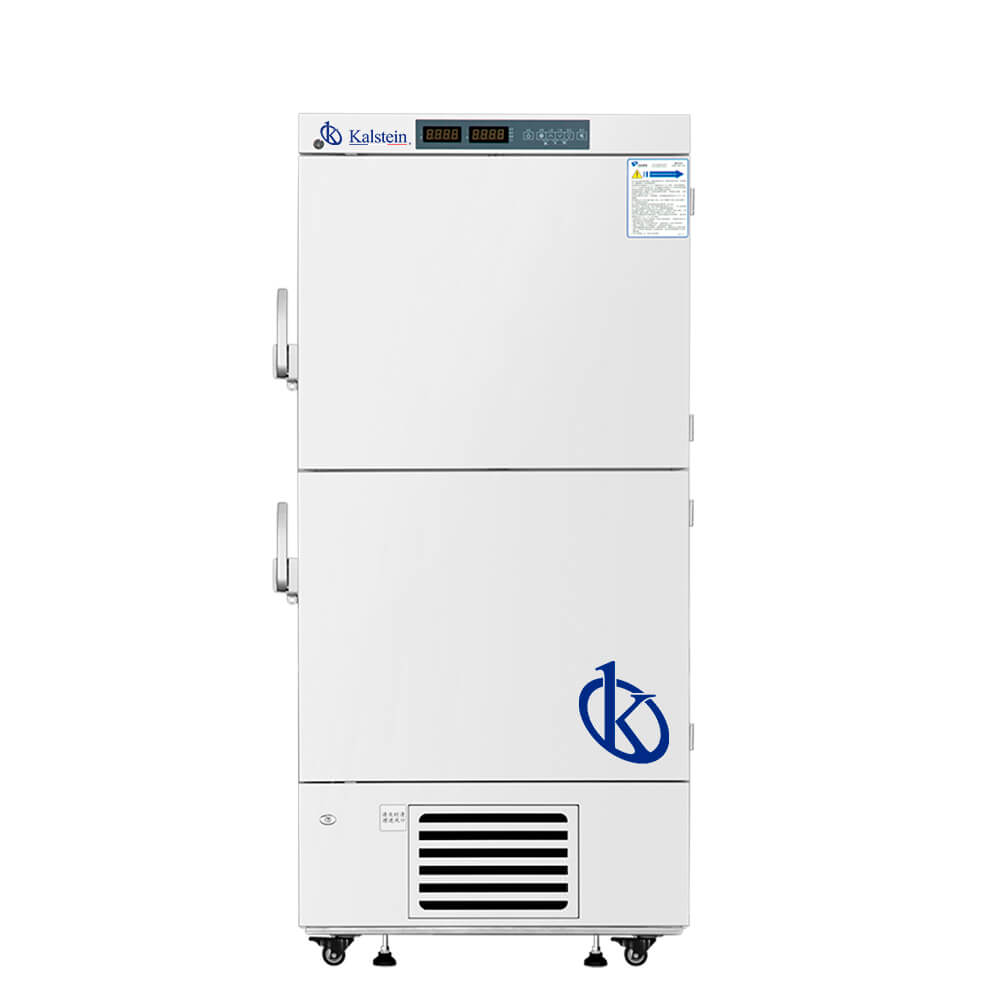
Low temperature freezers are crucial for preserving biological samples, medical supplies, and other temperature-sensitive materials in laboratory settings. In 2026, they are utilized extensively in clinical and hospital laboratories to ensure sample integrity and longevity. Understanding their practical applications, best practices, and protocols can significantly enhance laboratory workflows.
What is it used for in 2026
Low temperature freezers are primarily used to store biological samples such as blood, tissue, and vaccines at low temperatures, typically ranging from -20°C to -40°C. The precise temperature control provided by these freezers ensures the preservation of sample integrity, minimizing degradation and maximizing usability for future analyses. Health professionals rely on these freezers for the safe storage of critical raw materials used in diagnostics and research. Additionally, they are essential in maintaining the efficacy of medical supplies that require cold storage.
History and evolution of the technology
The technology behind low temperature freezers has evolved significantly over the past few decades. Initially, these freezers were simple mechanical systems with limited temperature control capabilities. The introduction of digital controls and microprocessor technology has enhanced reliability and precision in temperature management. The development of more efficient refrigerants, such as R290, has also improved energy consumption and environmental impact. Today, low temperature freezers are equipped with advanced monitoring systems, providing alerts for temperature fluctuations and ensuring optimal storage conditions.
How to use it step by step
Using a low temperature freezer effectively involves several key steps:
- Installation: Position the freezer in a stable, cool location away from direct sunlight and heat sources. Ensure proper ventilation around the unit.
- Initial Setup: Set the desired temperature based on the specific requirements for the materials to be stored.
- Loading Samples: Use adjustable shelves to organize samples efficiently, ensuring proper airflow around stored items.
- Monitoring: Regularly check temperature readings using the built-in digital display. Ensure alarms are functioning and alerts are monitored.
- Routine Maintenance: Conduct frequent checks for frost build-up and clean the interior to prevent contamination.
Best techniques and protocols
To ensure that low temperature freezers function at their best, certain techniques and protocols should be followed:
- Label all samples clearly with pertinent information, including date of storage and contents.
- Avoid frequent opening of the freezer door, as this can lead to temperature fluctuations.
- Regularly calibrate temperature sensors to ensure accuracy.
- Implement a routine cleaning schedule to maintain hygiene and efficiency.
- Use protective containers for volatile substances to minimize the risk of spills and contamination.
Practical applications by laboratory type
Different laboratories utilize low temperature freezers for various purposes:
- Clinical Laboratories: Store blood samples, plasma, and vaccines at controlled temperatures to preserve viability.
- Research Laboratories: Maintain reagents and biological samples critical for experimental procedures.
- Pharmaceutical Companies: Store product samples and active pharmaceutical ingredients (APIs) that require cold storage.
Regulations, standards and certifications
Compliance with regulations is critical when using low temperature freezers. Laboratories must adhere to guidelines set by organizations such as the FDA and ISO standards. Ensuring freezers are certified for medical use and regularly inspected helps maintain operational integrity and safety. Documenting compliance with these regulations is essential for maintaining an accredited laboratory status.
Comparison with alternative technologies
When considering alternatives to low temperature freezers, it is important to understand how they compare:
- Liquid Nitrogen Tanks: While these systems can achieve lower temperatures, they require more complex handling and safety measures.
- Refrigeration Units: Standard refrigerators do not provide the same level of temperature control and may not be suitable for the long-term preservation of sensitive samples.
Comparison of available models
| Model | Best for | Key specs | Recommended use case |
|---|---|---|---|
| YR05100 | General laboratory storage | -20 ~ -40 °C, 6.7 kWh, 55 dB | Flexible sample storage with adjustable shelves |
| YR05309 | Medical supplies | -20 ~ -40 °C, 5.5 kWh, 49 dB | Storing vaccines and diagnostic materials |
| YR05311 | Laboratory use | -10 ~ -25 °C, 300W | Storing sensitive biological samples |
Common mistakes and how to avoid them
Several common mistakes can compromise the effectiveness of low temperature freezers:
- Overloading: Avoid overloading the freezer, as it can impede airflow and temperature regulation.
- Ignoring alarms: Always respond to alarms promptly to prevent sample loss.
- Inconsistent maintenance: Establish a routine maintenance schedule and stick to it to ensure reliability.
Maintenance, calibration and good practices 2026
Regular maintenance and calibration are essential for optimal performance:
- Perform monthly temperature checks and recalibrate sensors as needed.
- Clean the interior biannually to remove dust and debris that can affect performance.
- Document all maintenance activities for compliance and operational records.
Cost-benefit analysis 2026
Investing in low temperature freezers can yield substantial benefits:
- Preservation of valuable samples reduces waste and saves costs in the long run.
- Enhanced reliability can lead to improved laboratory efficiency.
- Compliance with regulatory standards minimizes the risk of fines and penalties.
Frequently asked questions
What is the ideal temperature for storing biological samples?
The ideal temperature for storing biological samples typically ranges between -20°C and -40°C, depending on the specific requirements of the sample type.
How often should I calibrate my low temperature freezer?
It is recommended to calibrate your low temperature freezer at least once every six months or whenever there is a temperature fluctuation issue.
Can I store different types of samples in the same freezer?
While it is possible to store different sample types in the same freezer, it is important to ensure that each type is stored in appropriate containers to prevent cross-contamination.
What maintenance is required for low temperature freezers?
Regular maintenance includes cleaning the interior, checking for frost build-up, calibrating temperature sensors, and monitoring alarms for proper functionality.
How can I ensure compliance with regulations?
To ensure compliance with regulations, maintain accurate records of all equipment calibrations and inspections, and regularly review updates to the applicable standards.
What are the advantages of using low temperature freezers over standard refrigerators?
Low temperature freezers provide precise temperature control and are specifically designed for the long-term storage of biological and temperature-sensitive materials, unlike standard refrigerators.
Where can I get a quote for purchasing a low temperature freezer?
To get a quote on a low temperature freezer, you can contact us directly to discuss your specific requirements and explore our offerings.
If you are looking for a fusion of innovation and quality, you have come to the right place. At Kalstein, we offer you the luxury of exploring our exclusive catalog of laboratory equipment. We manufacture every device to the highest standards of excellence. Our intuitive and seamless online purchasing channels are designed for your convenience, securing the most competitive prices. Hesitate no longer — we bring science to life, it is time to become part of our community.