Analyzers
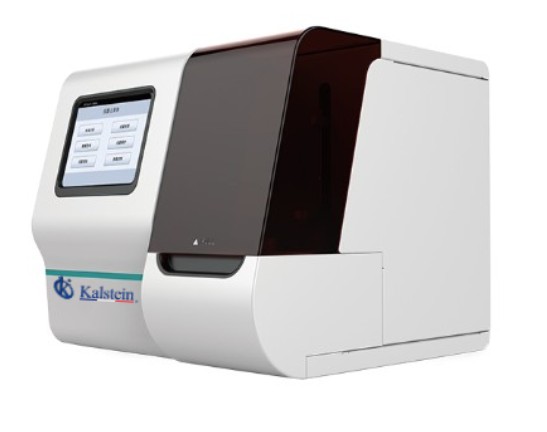
Analyzers are essential diagnostic tools widely used in medical and veterinary laboratories to evaluate various biological samples with precision and efficiency. These instruments automate complex processes, allowing for rapid, reliable, and accurate results that enable timely decision-making and improved patient care. Their integration in diagnostic workflows reduces human error and enhances productivity, making analyzers a cornerstone in modern healthcare settings.
The broad category of analyzers encompasses diverse types of devices, each designed for specific applications such as hematology, biochemistry, immunology, and electrolyte analysis. Their applications extend from routine screening to advanced clinical diagnostics, serving hospitals, clinics, and research laboratories. By choosing the right analyzer, professionals can ensure optimized workflow, dependable data, and better service to patients and animals alike.

Types of Analyzers Your Laboratory Might Need

Hematology Analyzer
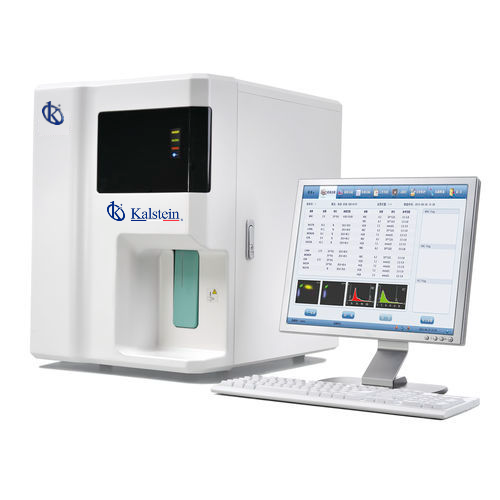
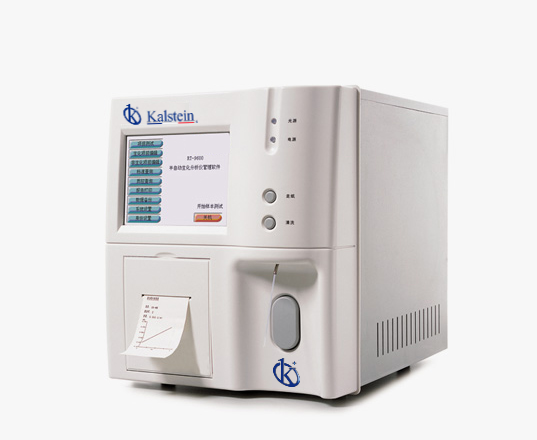
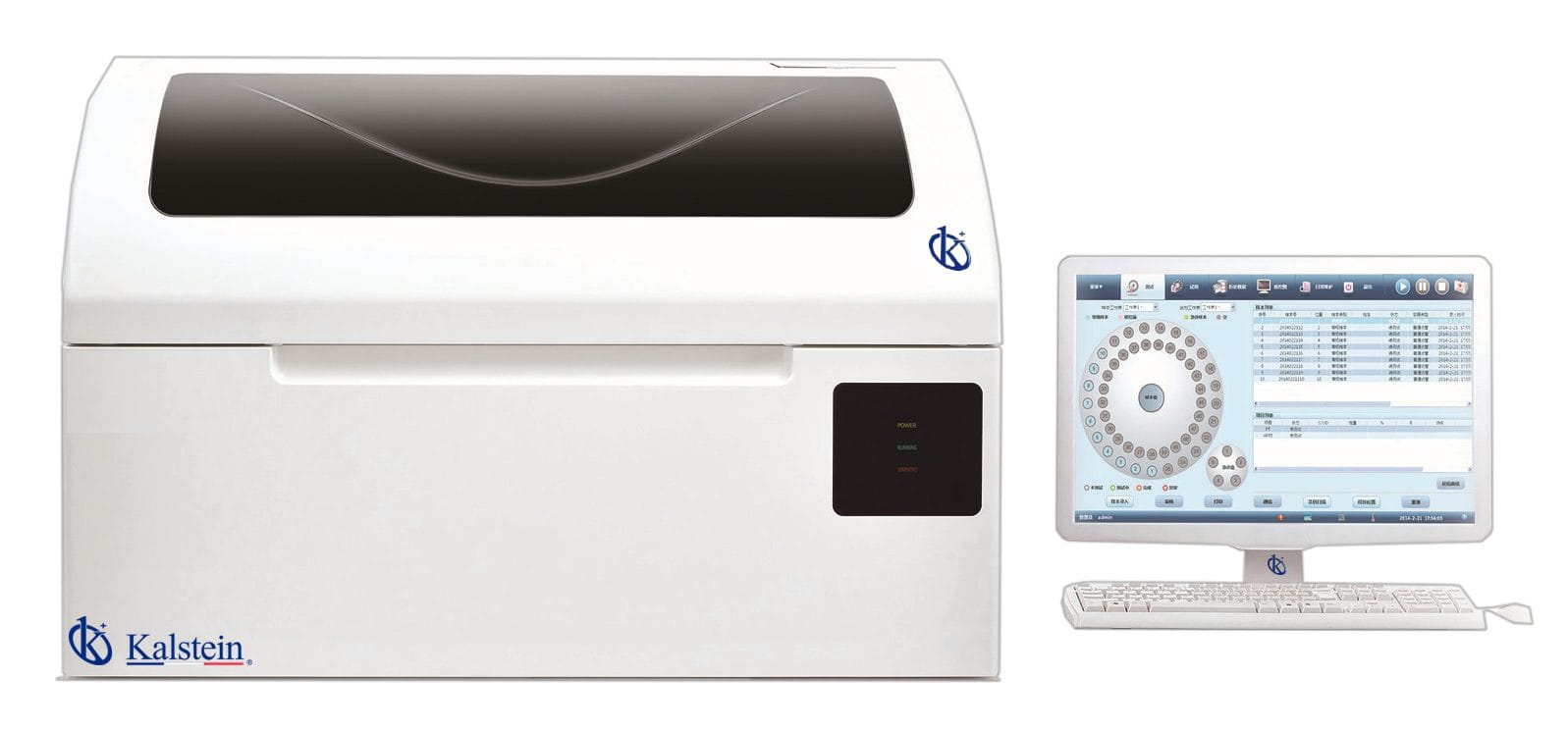
Hematology analyzers are vital instruments used to perform complete blood counts and other blood-related tests. They provide quantitative data on red cells, white cells, platelets, hemoglobin, and hematocrit, indispensable for diagnosing conditions like anemia, infections, and blood disorders. Designed for accuracy and speed, these devices support clinical decision-making in hospitals, clinics, and laboratories by delivering quick and reliable hematological data.
These analyzers use sophisticated technology, including flow cytometry and impedance methods, to identify and count blood cells with minimal manual intervention. Their versatility suits both human and veterinary applications, enhancing diagnostic capabilities by automating complex analyses. Regular calibration and maintenance ensure consistent performance, making hematology analyzers essential for daily diagnostic routines.
Electrolyte Analyzer
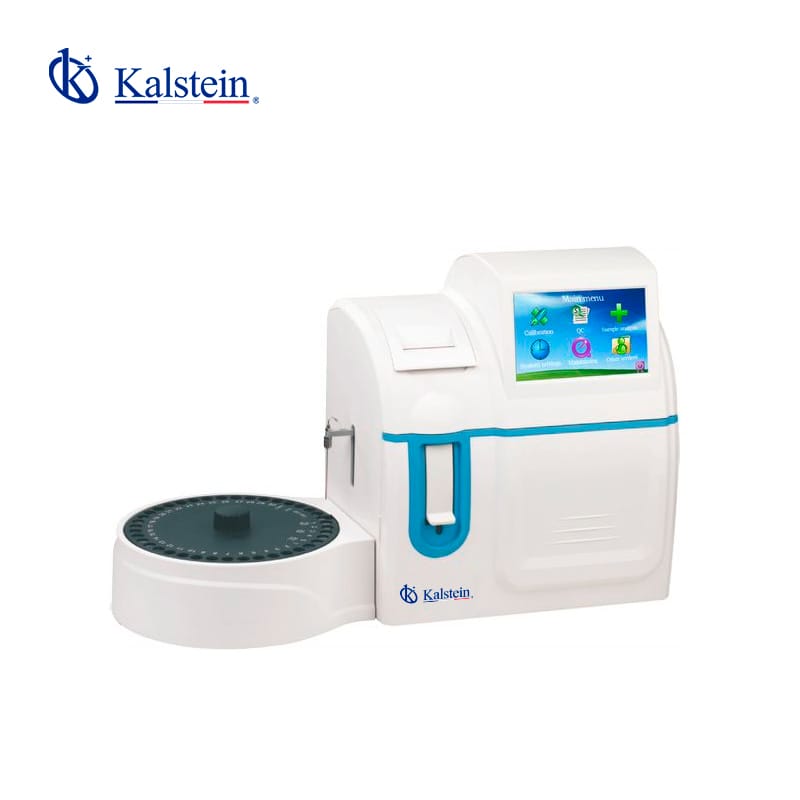
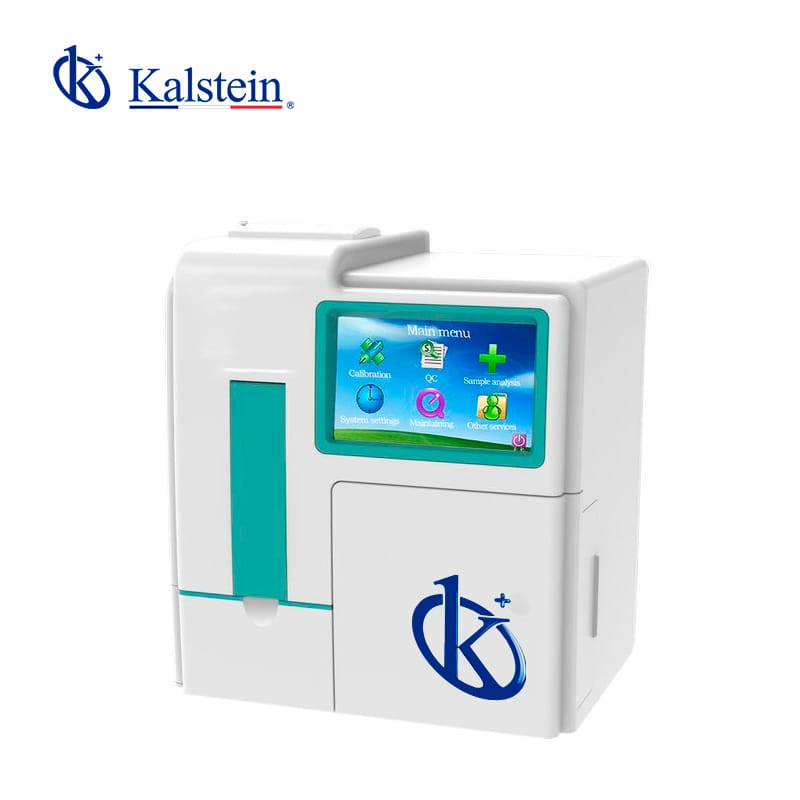
Electrolyte analyzers measure critical ions such as sodium, potassium, chloride, and calcium in biological samples, providing essential information about a patient’s metabolic and hydration status. These devices are paramount in emergency, intensive care, and routine clinical settings for monitoring electrolyte imbalances that could indicate underlying pathologies or guide treatment.
By offering rapid and precise electrolyte measurements, these analyzers support timely diagnosis and appropriate therapeutic interventions. They are designed for seamless integration with other laboratory equipment and information systems, enhancing workflow efficiency in diverse healthcare environments including veterinary clinics. Easy operation and minimal sample requirements make them practical for various diagnostic needs.

What You Need to Know Before Selecting an Analyzer and Making an Investment
Key Factors to Consider
The key factors to consider when choosing an analyzer include accuracy, reliability, ease of use, throughput capacity, and compatibility with laboratory information systems. It is crucial to assess the analyzer’s sensitivity to detect low levels of analytes, calibration needs, and the availability of technical support. Ergonomics and user interface design also impact daily operations and personnel training requirements.
Another essential factor is the analyzer’s versatility and range of detectable parameters aligned with your laboratory’s testing portfolio. Consider also consumables availability, maintenance schedules, and how well the device integrates with your workflow. Power consumption, footprint, and the possibility for software upgrades can influence long-term usability and cost-effectiveness.

Price Range in the Market
Analyzer prices vary greatly depending on their complexity, technology used, and brand reputation. Entry-level models with basic functions may start at a few thousand dollars, while advanced analyzers with multiple testing capabilities and automation features can reach upwards of several tens of thousands. It is important to review what features are essential for your laboratory to avoid overspending.
Additional cost considerations include ongoing expenses such as reagents, calibration materials, and service contracts. Installation and staff training charges might also be relevant. Comparing different brands and models while factoring in total cost of ownership often provides a clearer picture of the investment than the purchase price alone.

Quality-Price Ratio
The quality-price ratio depends on the analyzer’s durability, accuracy, and the manufacturer’s post-sale support. Reliable analyzers that offer consistent performance and minimal downtime can reduce operational costs and improve patient outcomes. Investing in trusted brands like Kalstein often ensures better return on investment through excellent technical service and long-lasting equipment.
Evaluating the quality-price relationship also entails considering warranty coverage, ease of maintenance, and availability of spare parts. An analyzer with a higher initial cost but better reliability and support may prove more cost-effective in the long run compared to cheaper alternatives with frequent failures.

Expected Lifespan Based on Usage and Maintenance
The expected lifespan of an analyzer largely depends on usage frequency, maintenance practices, and environmental conditions. Regular preventive maintenance and timely replacement of worn components extend the device’s operational life, ensuring consistent performance and accuracy over years of service.
Additionally, proper training of personnel and adherence to the manufacturer’s guidelines are critical to maximizing the analyzer’s lifespan. Investing in quality service agreements can minimize downtime and maintenance costs, thus preserving the equipment’s value and functionality.

KALSTEIN ANALYZERS
Among many products, at Kalstein you can find the ideal analyzer for your Clinic
If you are unsure which analyzer to purchase, we understand how important it is to select equipment that matches your specific laboratory needs, budget, and workflow requirements. Our expert advice and diverse product range ensure you find the most suitable, reliable, and advanced option to elevate your diagnostic capabilities and improve operational efficiency.

Fully Automatic Glycosylated Hemoglobin Analyzer YR06657
The Fully Automatic Glycosylated Hemoglobin Analyzer YR06657 is a high-performance instrument designed for the accurate…

Electrolyte Analyzer YR06407// YR06417
The Electrolyte Analyzer YR06407 // YR06417 is a state-of-the-art device engineered to deliver precise and rapid results…

Semi-auto Chemistry Analyzer YR05116
The YR05116 Semi-Automatic Chemistry Analyzer is an advanced tool designed for laboratories requiring precision and effi…

Electrolyte Analyzer YR06391// YR06395
The Electrolyte Analyzer YR06391 // YR06395 is an advanced device designed to deliver fast and accurate measurements of…
Our analyzer most sold
The Fully Automatic Glycosylated Hemoglobin Analyzer YR06657 is a high-performance instrument designed for the accurate and reliable detection of glycosylated hemoglobin (HbA1c). This model uses high-performance liquid chromatography (HPLC) with ion-exchange technology, a cutting-edge method that ensures excellent accuracy and precision in every analysis. With a repeatability of ≤ 3.0%, the YR06657 is ideal for clinical laboratories and diagnostic centers that require fast and dependable results.
This analyzer is fully modular, offering high flexibility in operation. It can process up to 15 samples per disk, and its design allows automatic puncture injection directly from the original sample tubes, eliminating the need for manual intervention. In addition, the system supports data communication via a USB interface, enabling seamless integration with laboratory data management systems. With automatic calibration compliant with NGSP and IFCC standards, the YR06657 ensures accurate and reliable measurements, which are essential for HbA1c testing in…
| Model | YR06657 |
| Detection Method | Ion-exchange High Performance Liquid Chromatography (HPLC) |
| Repeatability | ≤3.0% |
| Injection Method | Automatic piercing injection from original test tube |
| Sample Capacity | 15 samples/disk, CAL1 (QC1) & CAL2 (QC2), STAT emergency samples |
| Sample Type | Venous whole blood, finger-prick peripheral blood, or hemolyzed sample |
| Test Range | HbA1c: 4%–17%; 20–162 mmol/mol |
| Test Items | HbA1c and b-thalassemia A2 |
| Result Reporting | Simultaneous IFCC and NGSP results |
| USB Interface | Supports computer data communication and scanner connection |
| Component / Function | Description |
| Design | Fully modular |
| STAT Samples | Can be inserted at any time for automatic detection |
| LED Detector | High performance, long service life, no preheating required |
| Temperature Control | Column heating module; Range: 5°C to 40°C; Fluctuation: ±0.2∘C |
| HPLC Pump | Max pressure: 200 kg/cm² (2900 psi); Fluctuation: ±1% |
| Auto-Calibration | Complies with NGSP and IFCC standards to ensure accurate and reliable measurements |
| Item | Requirement / Lifespan |
| Sieve Plate | 250 tests/unit |
| Daily Maintenance | No daily maintenance required |
| Automatic Alarm | Alarm for missing or insufficient reagents |
| Chromatography Column | 2,000 tests/unit; single calibration required with calibrator |

Comprehensive analysis tools for precision diagnostics

Exploring the Benefits and Features of Kalstein Moisture Analyzers
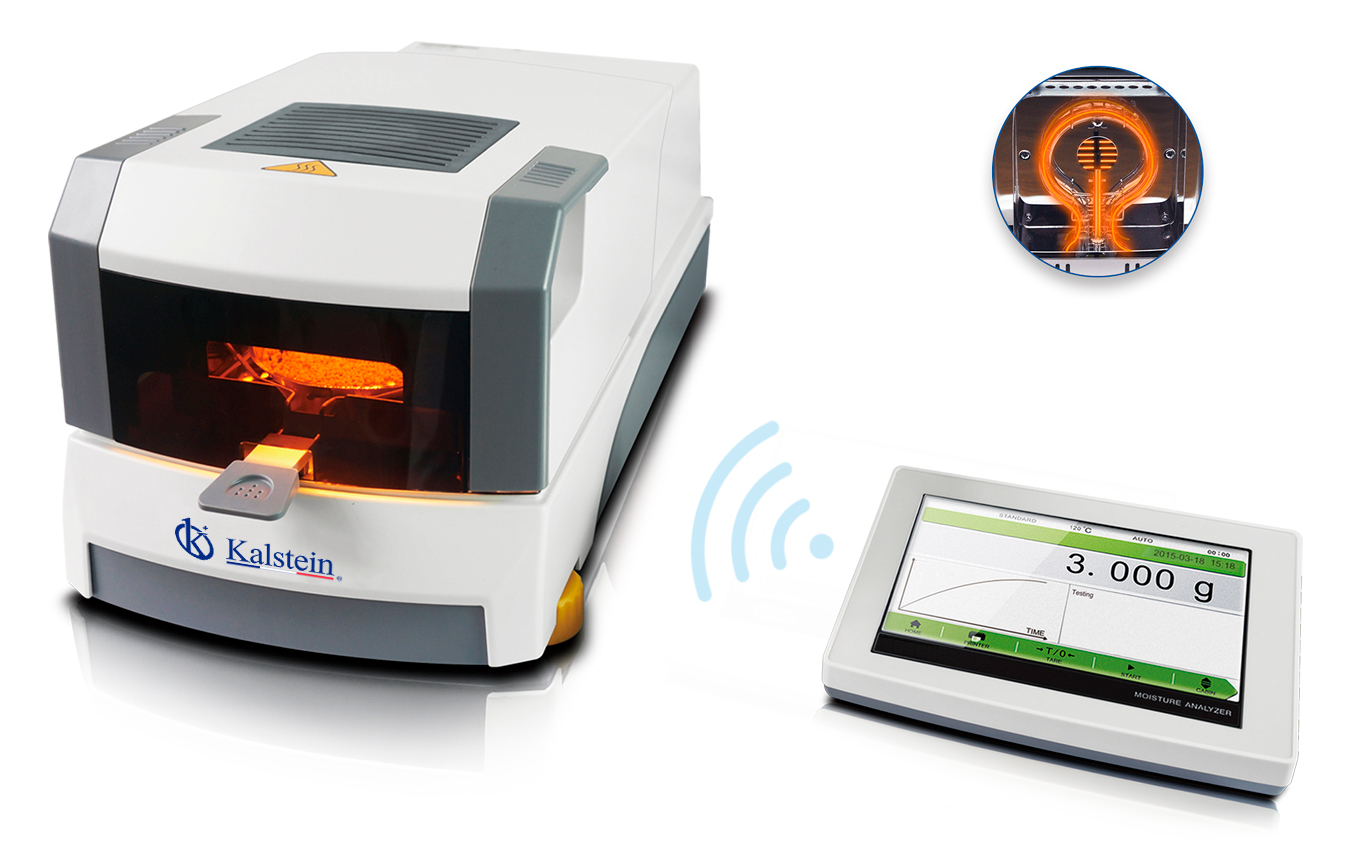
The Kalstein Moisture Analyzer stands out in the market due to its unparalleled precision and reliability. Crafted with cutting-edge technology, these devices a…
Precision Analyzers for Rapid Diagnostics in Modern Healthcare
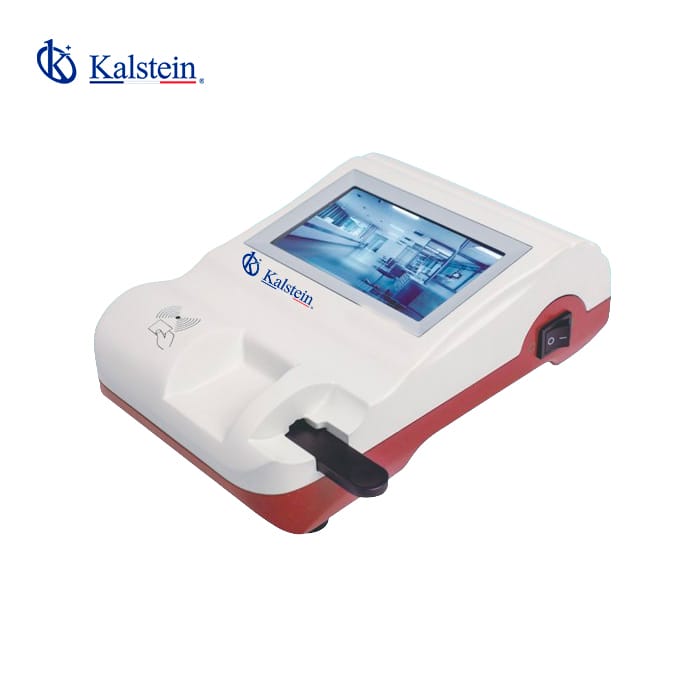
In the world of healthcare, having high-precision diagnostic equipment is essential. Among these, analyzers play a crucial role, allowing for fast and accurate…
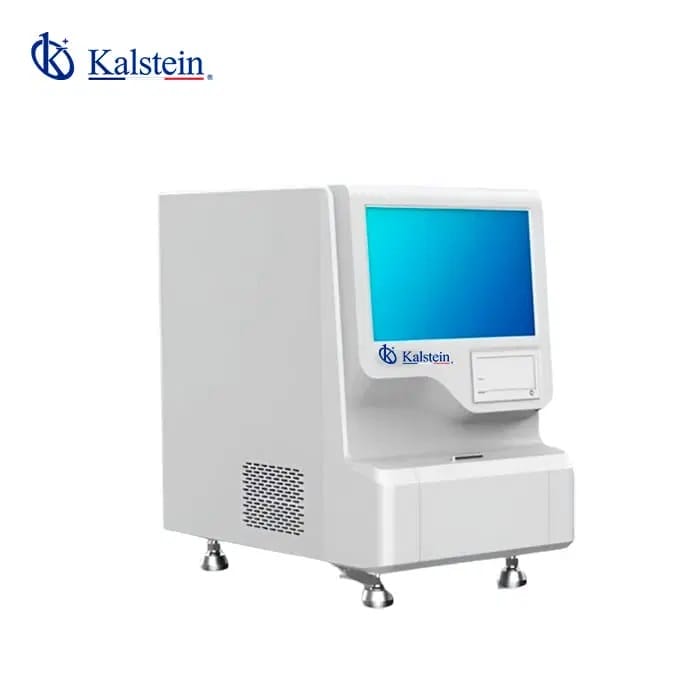
Fully Automatic Chemiluminescent Immunoassay Analyzer YR06387
The Fully Automatic Chemiluminescent Immunoassay Analyzer YR06387 is an advanced tool designed to deliver precise and rapid results in the detection of various…
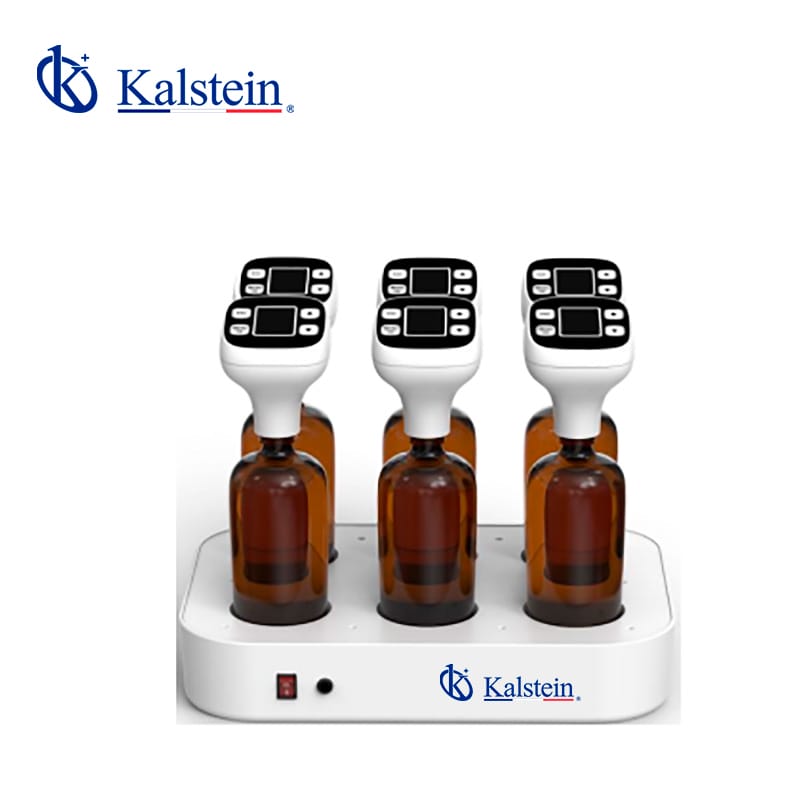
BOD Analyzer YR06297
The BOD Analyzer YR06297 is an advanced instrument designed to measure the biochemical oxygen demand (BOD) in water samples, providing essential data for evalua…
Analyzer offers

YR06710 Chemiluminescence Analyzer

YR06709 Chemiluminescence Analyzer

Fully Automatic Glycosylated Hemoglobin Analyzer YR06657
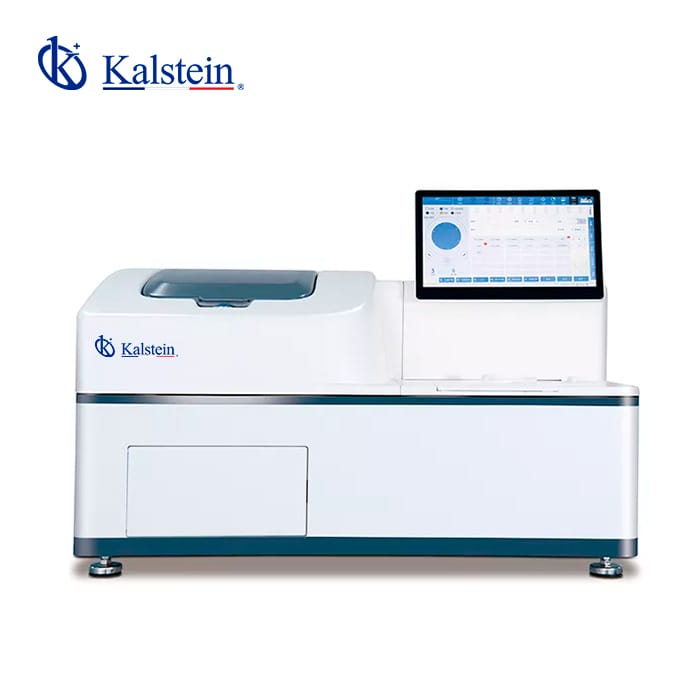
Immunoassay Analyzer YR06390

Full-Automatic Chemiluminescent Immunoassay Analyzer YR06387

Chemiluminescent Immunoassay Analyzer YR06388
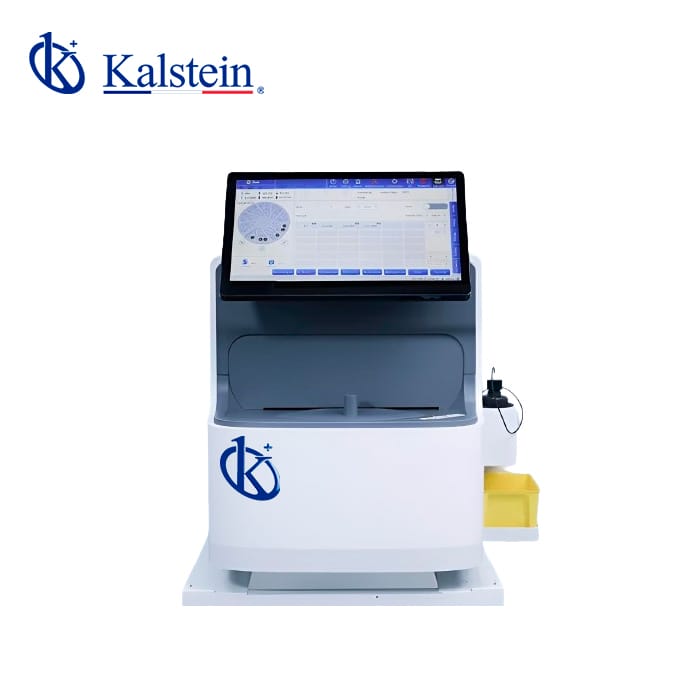
Immunoassay Analyzer YR06389

Electrolyte Analyzer YR06407// YR06417
Kalstein updated with latest analyzer technology
Explore our detailed guides for choosing and using analyzers effectively
We provide comprehensive guides and recommendations to help you work like an expert with your analyzer, ensuring optimal performance, maintenance, and accurate diagnostic results every time you use the equipment
Fully Automatic Chemiluminescent Immunoassay Analyzer YR06387
The Fully Automatic Chemiluminescent Immunoassay Analyzer YR06387 is an advanced tool designed to deliver precise and rapid results in the detection o…
Advanced Technology for Your Laboratory: Kalstein COD Analyzer
Technology in the laboratory field has advanced by leaps and bounds in recent years. Modern laboratories require equipment that is not only accurate b…
Innovations of Laboratory Chemistry Analyzers: KALSTEIN (YR05115) vs URIT-810
In a laboratory, it is vital to have accurate equipment to deliver reliable results. Chemistry analyzers are one of these essential tools. Manufacture…

Benchmarking Evaluation of TOC Analyzer Robustness: Kalstein YR04950 vs Elementar Acquray Series
Total Organic Carbon (TOC) analysis is a crucial test in laboratories that assess water quality. In this comparative report, we will break down the technical specifications and features of two titans in the industry: the Kalstein YR04950 and the Elem…

FAQs
The delivery time for your Kalstein product will depend on the following:
- Whether the equipment of your interest is in stock or if it needs to be manufactured.
- The type of freight chosen, which can be air or sea.
- Equipment in stock:
– Delivery Time (Air): 15-30 days.
– Delivery Time (Sea): 45-60 days.
- Equipment not in stock:
– Delivery Time (Air): 30-60 days.
– Delivery Time (Sea): 60-90 days.
You can make your purchase through:
- Email: [email protected]
- Phone: +33 (0) 1 70 39 26 50
- E-commerce: Through the official Kalstein website in your country.
At Kalstein, we provide our clients with inductions and technical support through new online methods. You can visit our induction videos, technical assistance, and guidance provided by the Kalstein team through our YouTube channel (Kalstein English). HERE.