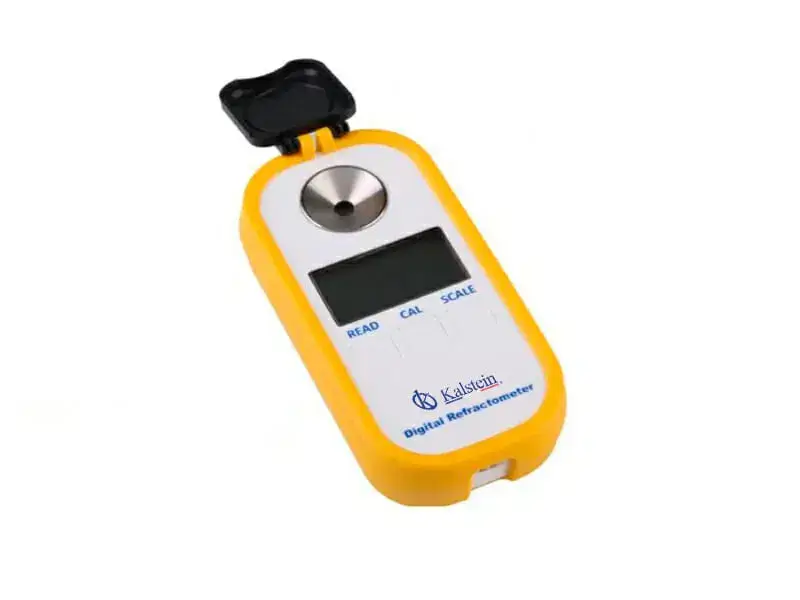
ISO/IEC Standards and Regulatory Compliance in Laboratories: A Focus on Digital Salinity Refractometers 2026
As laboratories strive to maintain high standards of quality and accuracy, the importance of ISO/IEC compliance cannot be overstated. Digital Salinity Refractometers have emerged as vital tools in laboratories, providing precise measurements while adhering to regulatory requirements. This article examines several Digital Salinity Refractometers and their alignment with key ISO/IEC standards.
Understanding ISO/IEC Standards and Their Relevance to Laboratories
The International Organization for Standardization (ISO) and the International Electrotechnical Commission (IEC) develop standards that ensure quality, safety, and efficiency in laboratory operations. ISO 17025, for instance, is crucial for testing and calibration laboratories, requiring them to demonstrate technical competence and the ability to produce valid results. Compliance with these standards not only enhances laboratory credibility but also aids in meeting regulatory requirements.
ISO 17025 and Digital Salinity Refractometers
ISO 17025 outlines the requirements for laboratories to demonstrate their ability to produce valid results. For Digital Salinity Refractometers, this involves ensuring accurate calibration, traceability of results, and adherence to specified tolerances. Below are some ways in which specific models can help laboratories comply with ISO 17025:
- Calibration and Maintenance: Models like the YR05953 and YR05954 feature automatic temperature compensation (ATC), which is crucial for accurate readings and compliance with calibration protocols.
- Documentation: Proper documentation of calibration results and maintenance logs is essential. Digital Salinity Refractometers typically come with easy-to-read digital displays that aid in recording results effectively.
IEC 61010 Compliance in Digital Salinity Refractometers
IEC 61010 sets safety requirements for electrical equipment used in measurement and control. Compliance ensures that the equipment used in laboratories is safe for both operators and the environment. Digital Salinity Refractometers must meet electrical safety standards, including:
- Electrical insulation
- Protection against electric shock
- Safe operation under specified environmental conditions
Models like the YR05955 and YR05956 adhere to this standard, providing safe operation without compromising measurement accuracy.
Traceability and Its Importance in Compliance
Traceability refers to the ability to verify the history, location, or application of an item by means of documented recorded identification. Laboratories must ensure that results from Digital Salinity Refractometers are traceable to primary or secondary reference standards. This involves:
- Regular calibration against certified standards
- Maintaining detailed records of all calibrations
- Using models that facilitate easy tracking of measurement results
Comparison of Available Models
| Model | Measurement Range | Precision | Best For |
|---|---|---|---|
| YR05953 | 0.0-28.0% | ±0.1% | Marine studies |
| YR05954 | 0-280‰ | ±1‰ | Laboratory testing |
| YR05955 | 1.000-1.217 | ±0.002 | Density measurements |
| YR05956 | 1.3330-1.3900nD | ±0.0003nD | Refractive index analysis |
| YR05957 | 0-100‰ | ±2‰ | General salinity testing |
| YR05958 | 0-57‰ | ±2‰ | Low concentration solutions |
Common Mistakes and How to Avoid Them
Laboratories often make mistakes that can lead to non-compliance with ISO/IEC standards. Common pitfalls include:
- Inadequate Training: Ensuring staff are trained in using Digital Salinity Refractometers correctly is vital for compliance.
- Neglecting Calibration: Regular calibration is essential. Laboratories should establish a rigorous schedule based on usage frequency and environmental conditions.
- Failure to Document: Proper documentation of all procedures, including calibration and maintenance logs, is crucial for compliance.
Regulatory Compliance and Quality Assurance
Quality assurance is integral to maintaining compliance with ISO/IEC standards. Utilizing Digital Salinity Refractometers that offer robust quality control features can significantly improve laboratory practices. Laboratories should focus on:
- Implementing standard operating procedures (SOPs)
- Training staff on quality management practices
- Regularly reviewing compliance status and conducting internal audits
Environmental Considerations and Sustainability
As environmental regulations become stricter, laboratories must consider the sustainability of their operations. Digital Salinity Refractometers that minimize waste and energy consumption are increasingly valuable. Practices such as using energy-efficient models and ensuring proper waste disposal contribute to overall compliance with environmental standards.
Frequently Asked Questions
How do Digital Salinity Refractometers comply with ISO 17025 in 2026?
Digital Salinity Refractometers like the YR05954 demonstrate compliance with ISO 17025 by offering features such as automatic temperature compensation and accurate calibration protocols, essential for producing valid testing results.
What is the significance of IEC 61010 for Digital Salinity Refractometers?
IEC 61010 outlines the safety standards for electrical equipment. Models like the YR05956 comply with these standards, ensuring safe operation and protection against electrical hazards in laboratory environments.
How does traceability affect compliance with laboratory standards?
Traceability is crucial for compliance with ISO/IEC standards. Digital Salinity Refractometers should be regularly calibrated to national or international standards, which helps maintain measurement accuracy over time.
What are the common pitfalls in using Digital Salinity Refractometers?
Common pitfalls include inadequate calibration schedules and insufficient training. Laboratories must adhere to strict protocols to ensure compliance and accurate results with models like the YR05955.
How can I ensure high-quality results using Digital Salinity Refractometers?
To ensure high-quality results, it is essential to follow standard operating procedures, regularly calibrate your instruments, and train personnel effectively on using models like the YR05953.
What are the best practices for maintaining Digital Salinity Refractometers?
Best practices include routine calibration, following maintenance protocols provided by the manufacturer, and documenting all results and procedures to ensure compliance and accuracy.
How do Digital Salinity Refractometers contribute to laboratory sustainability?
Digital Salinity Refractometers can help laboratories become more sustainable by minimizing waste and energy consumption through efficient design and operation, especially models like the YR05958.
What is the expected lifespan of Digital Salinity Refractometers under compliance standards?
The expected lifespan varies by model and usage, but with proper maintenance and adherence to compliance standards, Digital Salinity Refractometers like the YR05957 can last several years with accurate performance.
If you are looking for a fusion of innovation and quality, you have come to the right place. At Kalstein, we offer you the luxury of exploring our exclusive catalog of laboratory equipment. We manufacture every device to the highest standards of excellence. Our intuitive and seamless online purchasing channels are designed for your convenience, securing the most competitive prices. Hesitate no longer — we bring science to life, it is time to become part of our community.