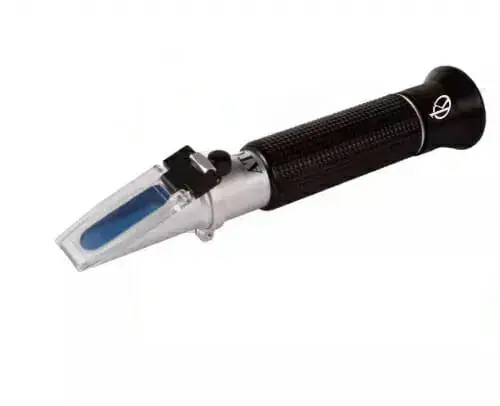
Navigating ISO/IEC Regulations in Digital Clinical Refractometers
Laboratories face increasing pressure to comply with ISO/IEC regulations to ensure accuracy, reliability, and safety in their operations. Digital clinical refractometers play a vital role in this landscape, providing essential measurements for both veterinary and human applications. Understanding the intricacies of ISO/IEC norms is crucial for lab professionals striving for compliance and optimal performance.
Understanding ISO/IEC Standards Relevant to Clinical Refractometers
ISO/IEC standards provide a framework for quality management and technical specifications that laboratories must adhere to. Among the most pertinent standards for digital clinical refractometers are:
- ISO 17025: This standard specifies the general requirements for the competence of testing and calibration laboratories. It emphasizes quality management, technical competence, and the capability to produce valid results.
- IEC 61010: This safety standard outlines the requirements for electrical equipment used in medical laboratories, ensuring operational safety for users and patients.
- ISO 15189: This standard pertains specifically to medical laboratories and details the quality management systems necessary for providing accurate and reliable test results.
How Digital Clinical Refractometers Meet ISO/IEC Compliance
Effective digital clinical refractometers, such as the Clinical Refractometer YR05915 and the Digital BRIX Refractometers YR05966, YR05967, and YR05968, are designed not only for performance but also for compliance with ISO/IEC standards.
For instance, the YR05915 model offers automatic temperature compensation (ATC), which is essential for ensuring accurate measurements across varying temperature conditions, directly aligning with the accuracy requirements set forth in ISO 17025. Similarly, the YR05966 and YR05968 models are built with waterproof features that meet IEC 61010 safety standards, making them suitable for diverse laboratory environments.
Comparison of Available Models
| Model | ISO/IEC Clauses Covered | Traceability Features | Best For |
|---|---|---|---|
| YR05915 | ISO 17025, IEC 61010 | Automatic recording of temperature corrections | Clinical and veterinary applications |
| YR05966 | ISO 17025 | Calibration certificates available | Veterinary use |
| YR05967 | ISO 15189 | Manual traceability records | Human serum analysis |
| YR05968 | ISO 15189, IEC 61010 | Built-in calibration reminders | Laboratory safety environments |
Documentation Requirements for ISO Compliance
Documenting compliance with ISO/IEC regulations is essential for maintaining accreditation. Each digital clinical refractometer must have comprehensive documentation, including:
- Calibration Records: Documentation of calibration processes and results, which ensures traceability and accuracy.
- Maintenance Logs: Regular maintenance records help demonstrate adherence to the safety standards outlined in IEC 61010.
- Quality Management System (QMS) Documentation: This includes procedures that align with ISO 17025 and ISO 15189, demonstrating the laboratory’s commitment to quality.
Common Mistakes and How to Avoid Them
Many laboratories struggle with compliance due to common pitfalls. Understanding these mistakes can help avoid potential issues:
- Inadequate Training: Ensure all staff are trained on ISO standards relevant to their work with refractometers.
- Lack of Regular Calibration: Regular calibration is vital to meet accuracy requirements. Set up a calibration schedule based on manufacturer recommendations.
- Poor Documentation Practices: Establish a robust documentation system to track compliance with all ISO/IEC standards.
Impact of Digital Clinical Refractometers on Laboratory Efficiency
The integration of digital clinical refractometers in laboratories enhances efficiency, particularly in compliance with ISO/IEC standards. Their ability to provide rapid and accurate measurements allows for quicker decision-making in clinical settings, improving overall patient care.
Furthermore, the automation features in models like the YR05915 reduce the potential for human error, which is critical in maintaining compliance with ISO 17025 and IEC 61010. By minimizing manual calculations and adjustments, laboratories can streamline their workflows and ensure consistent results.
Cost-Benefit Analysis of Implementing Compliance Standards
Investing in compliance with ISO/IEC regulations may initially seem costly; however, the long-term benefits often outweigh these expenses. For instance, the Clinical Refractometer YR05915, priced at $9.50, proves itself valuable not just in initial purchase but through its compliance with ISO standards which can lead to fewer errors and increased trust from clients.
In contrast, the potential costs of non-compliance can be significant. Laboratories may face fines, loss of accreditation, and reputational damage. Thus, the implementation of compliant refractometers is not just a regulatory necessity but a strategic business decision.
Frequently Asked Questions
How do digital clinical refractometers ensure compliance with ISO 17025 requirements?
Digital clinical refractometers like the YR05915 ensure compliance with ISO 17025 by providing features such as automatic temperature compensation and traceability through calibration records. These features are essential for producing reliable and accurate results, which are the core requirements of ISO 17025.
What specific IEC standards should laboratories consider for digital refractometers?
Laboratories should consider IEC 61010 standards, which address safety requirements for electrical equipment used in laboratories. Digital refractometers such as the YR05968 are designed to meet these safety standards, ensuring safer operation in clinical environments.
Which models of digital clinical refractometers are best for veterinary applications?
The Digital BRIX Refractometer YR05966 is well-suited for veterinary applications, providing accurate specific gravity measurements for urine and serum analysis while complying with ISO standards, making it a reliable choice for veterinary laboratories.
How can laboratories improve traceability for their clinical refractometers?
Laboratories can improve traceability by maintaining comprehensive calibration records and using refractometers with built-in calibration reminders, such as the YR05968. This ensures that all measurements can be traced back to specific standards, enhancing reliability and compliance.
What are the key factors affecting the cost of compliance in laboratories?
The key factors affecting compliance costs include initial equipment purchase, ongoing calibration expenses, maintenance costs, and training for laboratory staff. Investing in compliant models like the YR05915 can help mitigate these costs through improved accuracy and reliability.
How often should digital clinical refractometers be calibrated to meet regulatory standards?
Digital clinical refractometers should typically be calibrated at least once a year to ensure compliance with regulatory standards such as ISO 17025. Models like the YR05915 come with features to facilitate this calibration, helping maintain consistent accuracy.
What documentation is necessary for ISO 15189 compliance in clinical laboratories?
For ISO 15189 compliance, clinical laboratories must maintain documentation such as quality management records, calibration logs, and maintenance schedules for their equipment, including digital clinical refractometers like the YR05966, ensuring ongoing adherence to the standard.
How can laboratories ensure safety while using digital refractometers?
Laboratories can ensure safety by following the IEC 61010 standards, which outline safety requirements for laboratory equipment. Using models like the YR05968, designed with safety features, further enhances operational safety in clinical settings.
If you are looking for a fusion of innovation and quality, you have come to the right place. At Kalstein, we offer you the luxury of exploring our exclusive catalog of laboratory equipment. We manufacture every device to the highest standards of excellence. Our intuitive and seamless online purchasing channels are designed for your convenience, securing the most competitive prices. Hesitate no longer — we bring science to life, it is time to become part of our community.