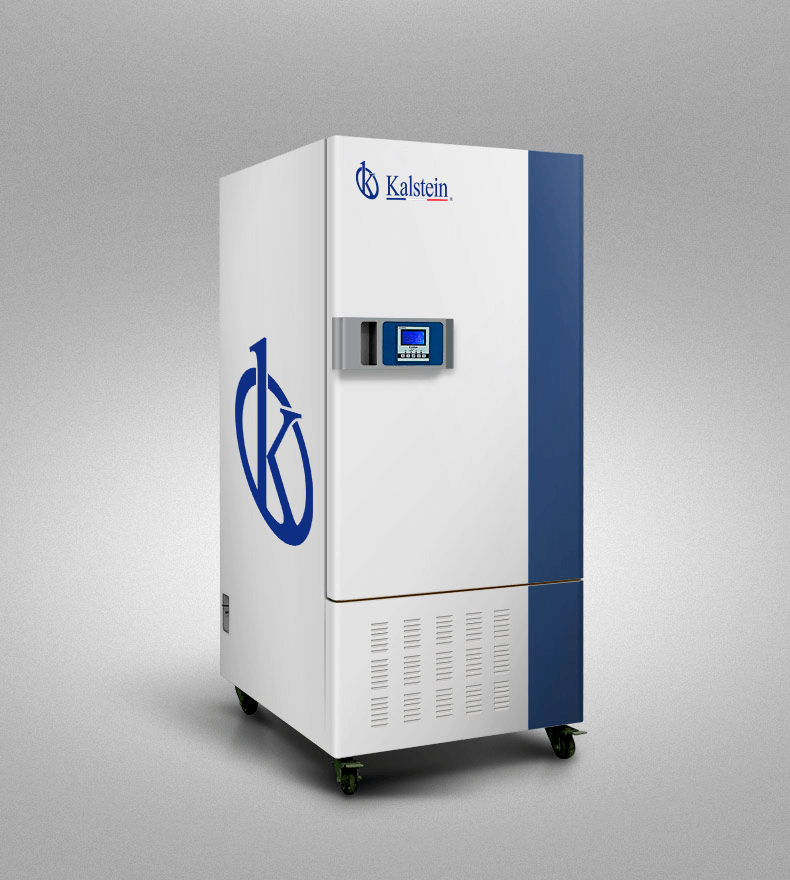
How to Ensure ISO/IEC Compliance with Constant Temperature and Humidity Chambers
In laboratory settings, ensuring compliance with ISO/IEC standards is crucial for operational integrity and scientific validity. This guide focuses on constant temperature and humidity chambers, essential tools in diverse applications ranging from material testing to biological experiments. Understanding how to navigate ISO/IEC regulations in conjunction with the capabilities of these chambers can significantly enhance laboratory performance and reliability.
Understanding ISO/IEC Standards in Laboratory Settings
ISO/IEC standards provide frameworks that laboratories must adhere to for quality assurance and operational effectiveness. The most relevant standards for constant temperature and humidity chambers include ISO 17025, which outlines general requirements for the competence of testing and calibration laboratories, and IEC 61010, which specifies safety requirements for electrical equipment used in measurement and control. Compliance with these standards ensures that laboratories maintain high levels of accuracy, reliability, and safety in their operations.
How Constant Temperature and Humidity Chambers Meet ISO/IEC Requirements
Constant temperature and humidity chambers are designed to simulate environmental conditions that are critical for various laboratory tests. These chambers must provide precise temperature and humidity settings and maintain these parameters within specified tolerances, which directly relate to compliance with ISO/IEC regulations. Features like adaptive temperature control, high-efficiency insulation, and safety certifications (such as CE) are essential in ensuring reliability, making these chambers a staple in compliant laboratories.
Comparison of Available Models
| Model | ISO/IEC Clauses Covered | Traceability Features | Best For |
|---|---|---|---|
| YR05334 | ISO 17025, IEC 61010 | Temperature calibration records | Long-term experiments |
| YR05335 | ISO 17025, IEC 61010 | Humidity calibration records | Pharmaceutical testing |
| YR05336 | ISO 17025 | Traceable temperature sensors | Plant growth studies |
| YR05337 | IEC 61010 | Regular service logs | Material testing |
| YR05338 | ISO 17025, IEC 61010 | Calibration certificates | Microbial studies |
| YR05339 | ISO 17025 | Data integrity protocols | Biological experiments |
Key Features of Constant Temperature and Humidity Chambers
Constant temperature and humidity chambers feature various specifications that influence compliance and operational efficiency. Adaptive temperature control is critical for maintaining stability during experiments. Additionally, high-resolution displays for monitoring temperatures and humidity levels contribute to user-friendliness and compliance tracking. Models like the YR05334 offer enhanced safety features, including alarms for temperature deviations, which are vital for meeting ISO/IEC standards.
Common Pitfalls in Achieving Compliance and How to Avoid Them
Laboratories often encounter challenges in meeting ISO/IEC compliance due to inadequate documentation, improper calibration, and neglecting routine maintenance. To avoid these pitfalls, laboratories should implement a comprehensive compliance checklist that includes regular equipment calibration according to defined schedules. Utilizing models with built-in traceability features, such as those in the YR05335, can simplify compliance and reduce the risk of errors in documentation.
Best Practices for Documentation in Compliance
Documentation plays a vital role in compliance with ISO/IEC standards. Keeping detailed records of calibration activities, maintenance logs, and operational procedures not only supports compliance but also facilitates audits. Models equipped with data logging capabilities, like the YR05336, can help automate this process, ensuring more accurate record-keeping and minimizing human error.
Integration of Digital Solutions for Compliance Monitoring
Digital solutions can greatly enhance compliance monitoring for constant temperature and humidity chambers. Integrating laboratory information management systems (LIMS) allows for real-time data tracking and compliance reporting. This can streamline the audit process and ensure that all necessary documentation is readily available. Investing in models that support LIMS integration, such as the YR05339, can provide substantial long-term benefits.
Frequently Asked Questions
What are the key ISO standards for constant temperature and humidity chambers?
The key ISO standards include ISO 17025, which ensures the competence of laboratories, and IEC 61010, focusing on safety requirements for electrical equipment. Constant temperature and humidity chambers like the YR05334 are designed to meet these standards, providing reliable performance in testing environments.
Which model provides the best traceability features for compliance?
The YR05335 offers robust traceability features such as humidity calibration records, making it an excellent choice for laboratories seeking to adhere closely to ISO/IEC compliance. This model can help ensure that experiments are conducted under controlled conditions as required by standards.
How can I ensure compliance with ISO 17025 using these chambers?
To ensure compliance with ISO 17025, laboratories should utilize constant temperature and humidity chambers like the YR05336 that offer precise control over environmental conditions and maintain detailed calibration records, critical for compliance audits.
What are the common mistakes laboratories make regarding compliance?
Common mistakes include inadequate documentation and failure to maintain equipment. Using models like the YR05337 that have built-in logging capabilities can help mitigate these risks by providing accurate records of temperature and humidity during experiments.
How does routine maintenance contribute to ISO compliance?
Routine maintenance ensures that the equipment operates within specified limits, which is crucial for compliance with ISO standards. Regular checks on models like the YR05338 help maintain functionality and prevent deviations that could affect experimental results.
What role does digital integration play in laboratory compliance?
Digital integration facilitates real-time monitoring and data management, enhancing compliance efficiency. Labs using models such as the YR05339 can leverage LIMS integration for streamlined documentation and compliance tracking.
Which model is best for long-term experiments under controlled conditions?
The YR05334 is particularly suited for long-term experiments, providing stable temperature and humidity controls essential for consistent results, while meeting ISO/IEC compliance requirements.
How can I assess the compliance features of different models?
Assessing the compliance features involves reviewing specifications related to ISO/IEC standards, calibration capabilities, and safety certifications. The comparison table provided earlier can assist in evaluating the best options for your laboratory needs.
If you are looking for a fusion of innovation and quality, you have come to the right place. At Kalstein, we offer you the luxury of exploring our exclusive catalog of laboratory equipment. We manufacture every device to the highest standards of excellence. Our intuitive and seamless online purchasing channels are designed for your convenience, securing the most competitive prices. Hesitate no longer — we bring science to life, it is time to become part of our community.