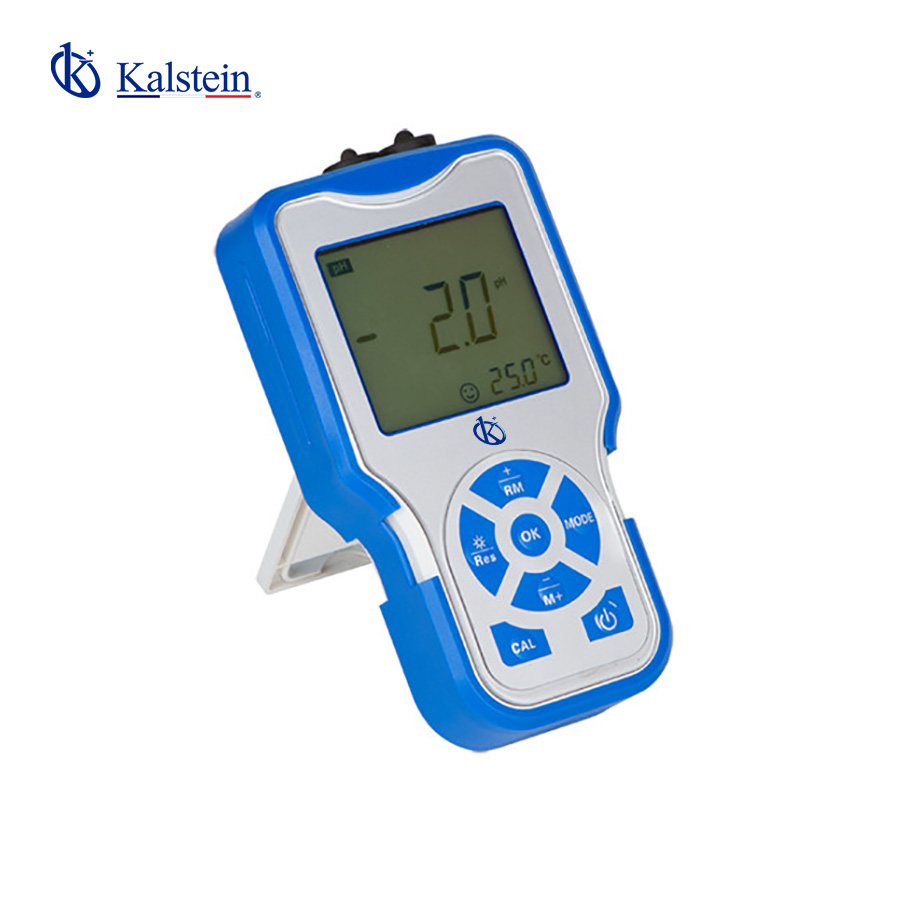
How to Integrate Portable Ion Meters with LIMS for Enhanced Data Workflow
In the ever-evolving landscape of laboratory technology, the integration of Portable Ion Meters with Laboratory Information Management Systems (LIMS) is transforming how laboratories manage their data workflows. This article delves into the benefits of such integration, focusing on enhancing efficiency, ensuring compliance, and facilitating data traceability in laboratories.
Understanding the Role of Portable Ion Meters
Portable Ion Meters are essential tools in various fields, including environmental monitoring, food safety, and clinical diagnostics. They provide real-time measurements of ion concentrations, such as pH and ammonium ions, which are critical for analyzing samples accurately. The integration of these meters with LIMS can streamline data collection and management processes, enabling laboratories to maintain higher quality standards and improve overall workflow efficiency.
Benefits of LIMS Integration
Integrating Portable Ion Meters with LIMS offers numerous advantages:
- Data Centralization: Collecting data from multiple ion meters into a single database reduces the risk of errors and enhances data integrity.
- Improved Traceability: Every measurement can be automatically logged, ensuring compliance with regulatory standards such as ISO 17025.
- Enhanced Reporting: LIMS can generate detailed reports from the collected data, making it easier for laboratory personnel to analyze trends over time.
Key Features to Look for in Portable Ion Meters
When selecting Portable Ion Meters for integration with LIMS, consider the following features:
- Calibration Capabilities: The ability to calibrate between 2 to 5 points enhances measurement accuracy.
- Connectivity Options: Look for meters that support industry-standard protocols such as HL7 or ASTM for seamless integration.
- User-Friendly Interfaces: Meters with intuitive interfaces can reduce training time for laboratory staff.
Integration Protocols and Best Practices
The integration process involves several steps:
- Assessment of Compatibility: Ensure the Portable Ion Meter is compatible with the LIMS in terms of data formats and protocols.
- Establishing Connections: Use middleware or direct APIs to facilitate data transfer between the meter and the LIMS.
- Testing and Validation: Conduct thorough testing to validate data integrity and functional performance post-integration.
Comparison of Available Models
| Model | Calibration Points | Best For | Price (USD) |
|---|---|---|---|
| YR01816 | 2 to 5 | General ion concentration measurement | 94.00 |
| YR01817-1 | 2 to 5 | Outdoor ammonium ion measurement | 229.00 |
| YR01817-10 | 2 to 5 | Outdoor ammonium ion measurement | 500.00 |
| YR01817-11 | 2 to 5 | Outdoor ammonium ion measurement | 500.00 |
| YR01817-12 | 2 to 5 | Outdoor ammonium ion measurement | 500.00 |
| YR01817-13 | 2 to 5 | Outdoor ammonium ion measurement | 500.00 |
Common Mistakes and How to Avoid Them
Laboratories often encounter pitfalls during the integration of Portable Ion Meters with LIMS. Common mistakes include:
- Inadequate training for staff, which can lead to improper use of the meters and errors in data collection.
- Neglecting to validate data accuracy post-integration, risking compliance and reliability.
- Overlooking the importance of selecting compatible devices, which can disrupt workflows.
Frequently Asked Questions
How can Portable Ion Meters improve data accuracy in a lab setting?
Portable Ion Meters like the YR01816 feature a multi-parameter calibration that enhances measurement accuracy, crucial for meeting ISO 17025 standards. By ensuring precise pH and ion concentration readings, labs can significantly improve their analytical data quality.
What are the key integration protocols for LIMS with Portable Ion Meters?
Key integration protocols include HL7 and ASTM. Meters like the YR01817-1 support these standards, allowing seamless data flow into LIMS, which enhances the overall laboratory efficiency and data integrity.
What are the calibration requirements for Portable Ion Meters in environmental testing?
Calibration of Portable Ion Meters, such as the YR01816, should occur at 2 to 5 points to ensure accurate ion concentration measurements, particularly in environmental testing applications that demand high precision.
How does LIMS integration streamline laboratory workflows with Portable Ion Meters?
LIMS integration allows for centralization of data collected from Portable Ion Meters, such as the YR01817 series, streamlining data management and facilitating quicker decision-making processes in laboratory operations.
What are the cost implications of using LIMS with Portable Ion Meters?
The initial investment for Portable Ion Meters like the YR01817-10 is around 500.00 USD. However, the long-term savings from improved efficiency and reduced data errors can significantly offset these costs, leading to a strong ROI.
Which portable ion meter is best for outdoor ammonium ion measurement?
The YR01817-1 is specifically designed for outdoor ammonium measurements, offering robust performance with a calibration range of 2 to 5 points, making it suitable for diverse environmental conditions.
How does data traceability work with integrated Portable Ion Meters?
With integrated Portable Ion Meters like the YR01817-11, each measurement is automatically logged into the LIMS, enhancing traceability and ensuring compliance with standards such as ISO 17025.
What maintenance is required for Portable Ion Meters in a LIMS environment?
Regular calibration and maintenance are essential for accuracy. Meters like the YR01817-12 require routine checks to maintain their reliability in data collection, especially when integrated with a LIMS for ongoing data management.
If you are looking for a fusion of innovation and quality, you have come to the right place. At Kalstein, we offer you the luxury of exploring our exclusive catalog of laboratory equipment. We manufacture every device to the highest standards of excellence. Our intuitive and seamless online purchasing channels are designed for your convenience, securing the most competitive prices. Hesitate no longer — we bring science to life, it is time to become part of our community.