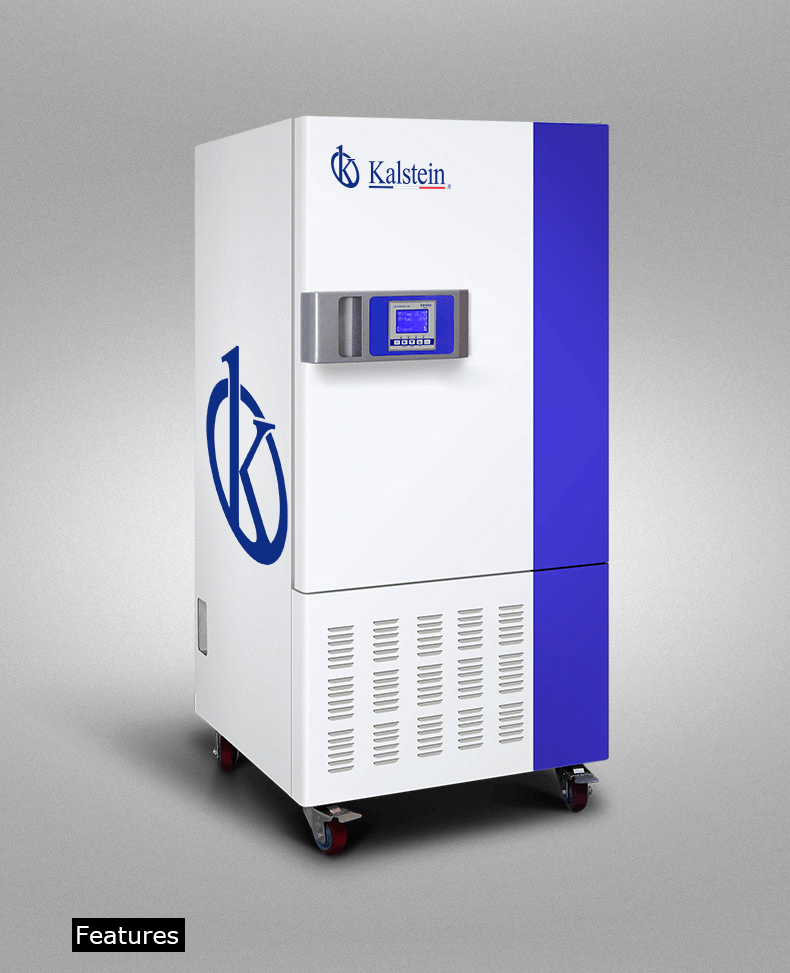
Illumination Drug Stability Test Chamber: Applications, Techniques, and Best Practices 2026
What is it used for in 2026
The Illumination Drug Stability Test Chamber is primarily used in pharmaceutical laboratories to evaluate the stability of drugs under controlled lighting conditions. In 2026, it is essential for performing accelerated and long-term stability testing, ensuring that medications maintain their efficacy and safety over time. These chambers are designed to simulate various environmental conditions, allowing researchers to predict how drugs will respond to light exposure while adhering to regulatory standards.
History and evolution of the technology
The technology behind illumination drug stability test chambers has evolved significantly over the years. Initially, stability testing relied on basic environmental controls that did not account for varying light conditions. However, advancements in technology have led to the development of sophisticated systems capable of precise temperature and light intensity regulation. This evolution has been driven by the increasing demand for pharmaceuticals that remain effective throughout their shelf life and by stringent regulations put forth by health authorities.
How to use it step by step
Using an Illumination Drug Stability Test Chamber involves several key steps to ensure accurate and reliable results:
- Preparation: Gather all necessary samples and materials. Ensure that the chamber is clean and ready for use.
- Calibration: Calibrate the chamber according to the manufacturer’s specifications to ensure that temperature and light levels are accurate.
- Placement: Place the samples inside the chamber, ensuring they are positioned to receive adequate light exposure as defined by the study protocol.
- Setting Parameters: Set the desired temperature, light intensity, and duration of exposure based on the testing requirements.
- Monitoring: Regularly monitor the chamber conditions and samples throughout the testing period to ensure consistent temperature and light exposure.
- Data Collection: After the exposure period, collect and analyze the data to evaluate the stability of the samples.
Best techniques and protocols
Implementing the best techniques and protocols is crucial for obtaining reliable results from illumination drug stability tests. Some best practices include:
- Utilizing a validated protocol that aligns with international guidelines.
- Conducting preliminary studies to determine the optimal light exposure duration for specific drug formulations.
- Regularly maintaining and calibrating the test chamber to ensure accuracy.
- Documenting all procedures meticulously to facilitate reproducibility and compliance with regulatory standards.
Practical applications by laboratory type
Illumination Drug Stability Test Chambers find various applications across different laboratory settings:
- Pharmaceutical Research Labs: Used for developing and testing new drug formulations.
- Quality Control Labs: Employed to verify the stability of existing products before release.
- Academic Institutions: Utilized for research studies focusing on drug stability and photochemistry.
Regulations, standards and certifications
Compliance with regulations is fundamental in the pharmaceutical industry. In 2026, laboratories must adhere to standards set forth by organizations such as the FDA, ICH, and EMA regarding stability testing. This includes following guidelines on light exposure, temperature variations, and data reporting to ensure that products are safe for consumer use.
Comparison with alternative technologies
While Illumination Drug Stability Test Chambers are crucial for stability testing, other technologies also play a role. For example, traditional environmental chambers and accelerated stability testing chambers may offer specific advantages, such as faster testing times or broader environmental simulations. However, they may not replicate the precise light conditions that these specialized chambers provide. Understanding their differences is key for researchers to select the most appropriate solution for their needs.
Comparison of available models
| Model | Best for | Key specs | Recommended use case |
|---|---|---|---|
| YR05353 | Accelerated stability testing | 10-65°C (with lighting), 0-60°C (without lighting), ±0.1°C accuracy | Pharmaceutical companies needing long-term studies |
| YR05353-1 | Long-term stability studies | 10-65°C (with lighting), 0-60°C (without lighting), ±0.5°C fluctuation | Quality control labs assessing drug efficacy |
| YR05353-2 | Comprehensive stability testing | 10-65°C (with lighting), 0-60°C (without lighting), 0-6000LX lighting range | Research studies requiring detailed light exposure data |
Common mistakes and how to avoid them
Several common mistakes can occur during the use of Illumination Drug Stability Test Chambers, including:
- Inadequate calibration: Always ensure the chamber is calibrated before use to avoid inaccurate data.
- Ignoring light conditions: Failing to replicate real-world lighting conditions can lead to a false sense of stability. Always follow the recommended light intensity settings.
- Neglecting documentation: Properly document all procedures and findings to ensure compliance and reproducibility.
Maintenance, calibration and good practices 2026
Regular maintenance and calibration of the Illumination Drug Stability Test Chamber are essential for optimal performance. Labs should implement a routine maintenance schedule that includes:
- Monthly calibration checks of temperature and light intensity settings.
- Periodic cleaning of the chamber to prevent contamination.
- Training staff on proper usage protocols to minimize human error.
Cost-benefit analysis 2026
Investing in an Illumination Drug Stability Test Chamber represents a significant upfront cost; however, the benefits outweigh the initial expenditure. Accurate stability testing can prevent costly product recalls and ensure consumer safety, which ultimately contributes to a company's reputation and bottom line. In 2026, labs should consider the long-term savings associated with improved testing accuracy and compliance when analyzing costs.
Frequently asked questions
What should I consider when choosing an Illumination Drug Stability Test Chamber?
Consider factors such as temperature range, light intensity capabilities, chamber size, and compliance with regulatory standards when selecting a chamber.
How do I ensure accurate temperature readings in the chamber?
Regularly calibrate the chamber and maintain it according to the manufacturer’s guidelines to ensure that temperature readings are accurate and consistent.
Can I use the chamber for other types of stability testing?
While primarily designed for light stability testing, you can use the chamber for other stability tests, ensuring that it meets the necessary parameters for those tests.
What are the most common issues faced during stability testing?
Common issues include improper calibration, environmental fluctuations, and failure to document procedures, leading to unreliable results.
How often should I perform maintenance on the chamber?
Perform maintenance checks monthly, with thorough cleaning and calibration checks at regular intervals to ensure optimal performance.
What is the expected lifespan of an Illumination Drug Stability Test Chamber?
The expected lifespan varies by model and usage but typically ranges from 5 to 10 years with proper maintenance.
How can I request a quote for an Illumination Drug Stability Test Chamber?
You can easily request a quote through our online platform or contact our sales team for assistance.
If you are looking for a fusion of innovation and quality, you have come to the right place. At Kalstein, we offer you the luxury of exploring our exclusive catalog of laboratory equipment. We manufacture every device to the highest standards of excellence. Our intuitive and seamless online purchasing channels are designed for your convenience, securing the most competitive prices. Hesitate no longer — we bring science to life, it is time to become part of our community.