Honey Refractometers: Applications in Research, Biotechnology, and Academia 2026
What is it used for in 2026
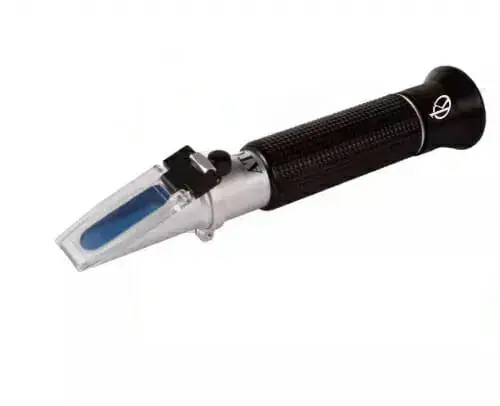
Honey refractometers have become indispensable tools in laboratories focusing on the sugar content of liquids, particularly honey and related products. These devices are designed to monitor and control sugar concentrations in food and beverages, critical for maintaining quality and compliance with industry standards. In 2026, they find applications not only in food quality testing but also in agricultural practices where assessing fruit maturity becomes essential. The refractometers provide vital data that helps researchers and professionals in ensuring the quality of products post-harvest and during processing.
History and evolution of the technology
The refractometer was first invented in the mid-19th century, with the primary aim of measuring liquid refractive indices. Over the decades, the technology has evolved significantly, incorporating advancements such as automatic temperature compensation (ATC) and more precise measurement scales. Today, honey refractometers are specially calibrated for the honey industry, allowing for more accurate assessments of sugar content and moisture levels, which are crucial for ensuring product quality.
How to use it step by step
Using a honey refractometer is straightforward. Here are the steps:
- Calibration: Before use, calibrate the refractometer with distilled water at a specific temperature to ensure accurate readings.
- Sample Preparation: Use a clean dropper to place a small sample of honey onto the prism of the refractometer.
- Close the Cover: Gently close the cover to spread the honey evenly over the prism.
- Reading the Scale: Look through the eyepiece to read the scale. The Brix value will indicate the sugar concentration.
- Record Data: Document your findings for analysis and further processing.
Best techniques and protocols
To maximize the accuracy and reliability of readings, follow these best practices:
- Ensure all equipment is cleaned and calibrated regularly.
- Perform tests at a stable temperature to minimize discrepancies caused by temperature fluctuations.
- Take multiple readings and average the results for better accuracy.
- Utilize proper sample sizes to ensure even coverage on the prism.
Practical applications by laboratory type
Different laboratories employ honey refractometers for various purposes:
- Agricultural Laboratories: Used to determine fruit ripeness and optimize harvest times.
- Food Quality Control Labs: Used for testing honey’s purity and ensuring compliance with food safety standards.
- Research Institutions: Used in studies relating to nutrition and the impact of sugar content on health.
Regulations, standards and certifications
In 2026, honey refractometers must comply with strict regulations set by food safety authorities. These include standards for accuracy, calibration methods, and certification for use in food analysis. Laboratories must ensure their devices are certified according to ISO standards and local regulations to avoid penalties and ensure public safety.
Comparison with alternative technologies
While honey refractometers are highly accurate, other technologies exist, such as:
- Hydrometers: Less accurate for sugar content but useful for quick checks.
- Infrared Spectroscopy: Offers advanced analysis but at a higher cost and complexity.
Each method has its advantages, but honey refractometers remain popular due to their ease of use and reliability.
Comparison of available models
| Model | Best for | Key specs | Recommended use case |
|---|---|---|---|
| YR05885 | Testing high sugar concentrations in honey | 58-92% Brix, ±0.5% accuracy | Quality control in honey production |
| YR05885-1 | Checking moisture content in honey | 10-30% water, ±0.10% accuracy | Field testing for fruit maturity |
| YR05885-2 | General honey quality testing | 58-92% Brix, ±0.5% accuracy | Laboratory research on honey quality |
| YR05886 | Low moisture honey testing | 10-30% water, ±0.10% accuracy | Quality assurance in food processing |
Common mistakes and how to avoid them
Here are some common pitfalls when using honey refractometers and how to avoid them:
- Inaccurate Calibration: Always calibrate with distilled water before use.
- Neglecting Temperature Effects: Make sure to account for temperature when taking readings.
- Improper Sample Size: Use the appropriate amount of honey for accurate coverage on the prism.
Maintenance, calibration and good practices 2026
Maintenance of honey refractometers is crucial for longevity and consistent performance. Always clean the prism after each use with a soft cloth. Regularly check calibration against known standards to ensure accuracy. Storing the device in a protective case when not in use will also prolong its life.
Cost-benefit analysis 2026
Investing in a honey refractometer offers significant returns in terms of quality control and compliance. The minimal cost of purchasing and maintaining a refractometer is outweighed by the benefits of ensuring product quality, reducing waste, and maintaining customer satisfaction. Additionally, the precise data obtained can aid in research and development, leading to potential innovations in the field.
Frequently asked questions
How do I choose the right honey refractometer?
Choosing the right honey refractometer depends on your specific needs. Consider factors such as the range of Brix or water measurement you require, whether you need automatic temperature compensation, and the precision necessary for your applications.
Can I use a honey refractometer for other liquids?
While honey refractometers are specialized for honey and sugar solutions, they can also be used for other liquids with similar refractive properties. However, results may vary based on the liquid's composition.
How often should I calibrate my refractometer?
Calibration should be performed before each use to ensure accuracy. If the refractometer is used frequently, consider calibrating it at set intervals throughout the day to maintain precision.
What is the best temperature for using a honey refractometer?
The ideal operating temperature for most honey refractometers is between 10-30°C (50-86°F). Ensure the sample is at this temperature for accurate readings.
How do I maintain my honey refractometer?
To maintain your honey refractometer, clean the prism after each use, store it properly to prevent damage, and regularly calibrate it to maintain its accuracy.
What is the typical lifespan of a honey refractometer?
With proper maintenance, a honey refractometer can last several years. Quality models can provide reliable service for much longer if cared for correctly.
If you are looking for a fusion of innovation and quality, you have come to the right place. At Kalstein, we offer you the luxury of exploring our exclusive catalog of laboratory equipment. We manufacture every device to the highest standards of excellence. Our intuitive and seamless online purchasing channels are designed for your convenience, securing the most competitive prices. Hesitate no longer — we bring science to life, it is time to become part of our community.