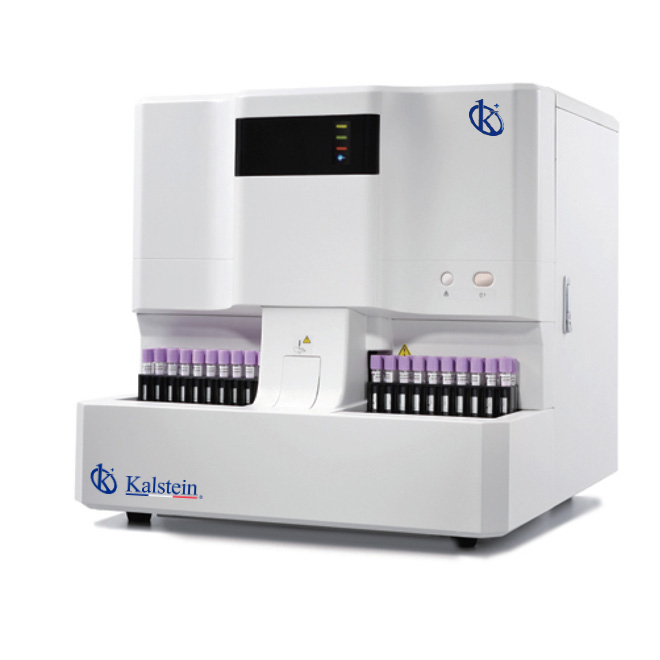
Hematology Analyzers: Practical Applications and Techniques 2026
In the ever-evolving landscape of clinical diagnostics, hematology analyzers stand out as vital tools for the analysis of blood samples. In 2026, these devices continue to revolutionize laboratory workflows, offering precision, speed, and a broad range of analytical capabilities. This article aims to provide laboratory professionals with an in-depth understanding of hematology analyzers, including their applications, best practices, and the latest techniques.
What is it used for in 2026
Hematology analyzers are primarily used for the quantitative and qualitative analysis of blood components. They provide essential information regarding red and white blood cells, hemoglobin levels, and platelets, which are crucial for diagnosing various medical conditions such as anemia, infections, and blood disorders. In 2026, advancements in technology allow for detailed analysis, including the differentiation of white blood cells and the identification of abnormal cell populations.
History and evolution of the technology
The evolution of hematology analyzers began with manual methods of blood counting, which were time-consuming and prone to human error. Over the decades, technological advancements have led to the development of automated systems. The introduction of flow cytometry and laser-based technologies marked significant milestones, enhancing the accuracy and speed of blood analysis. By 2026, hematology analyzers incorporate sophisticated algorithms and AI-based data analysis, enabling even more accurate diagnostics and streamlined workflows.
How to use it step by step
Using a hematology analyzer effectively involves several steps:
- Preparation: Ensure that the analyzer is calibrated correctly and that all reagents are available and within expiration dates.
- Sample collection: Collect blood samples using appropriate techniques to avoid contamination.
- Sample processing: Load the sample into the analyzer according to the manufacturer's instructions, ensuring proper alignment within the sample holder.
- Run the analysis: Select the appropriate testing mode on the analyzer based on the requirements (e.g., whole blood, pre-diluted).
- Review results: After the analysis is complete, review the results for accuracy and consult with any abnormal findings.
- Documentation: Ensure all results are documented appropriately for future reference and quality control.
Best techniques and protocols
To achieve optimal results with hematology analyzers in 2026, several techniques and protocols should be followed:
- Use standardized sample collection methods to ensure consistency.
- Regularly calibrate and maintain the equipment to avoid discrepancies in results.
- Implement quality control measures to validate the accuracy of results.
- Utilize appropriate diluents and reagents as per the analyzer's specifications.
- Train laboratory staff adequately on the use and maintenance of the instruments.
Practical applications by laboratory type
Different types of laboratories utilize hematology analyzers for various applications:
- Hospital Laboratories: High-throughput analysis for emergency and routine testing.
- Research Laboratories: Advanced studies on hematological diseases and blood disorders.
- Veterinary Clinics: Analyzing animal blood samples for diagnostic purposes.
- Blood Banks: Screening and testing donated blood for transfusion compatibility.
Regulations, standards and certifications
Hematology analyzers must comply with various regulations and standards, including:
- ISO 13485 for medical devices.
- CLIA (Clinical Laboratory Improvement Amendments) for laboratory testing quality.
- FDA approval for devices in the United States.
- CE marking for compliance in European markets.
Comparison with alternative technologies
While hematology analyzers are widely used, other technologies also exist for blood analysis, such as:
- Manual Microscopy: Provides detailed cellular morphology but is time-consuming and less quantitative.
- Flow Cytometry: Offers advanced cellular analysis but requires more complex setup and operation.
- Point-of-Care Testing Devices: Provide rapid results but may lack the extensive capabilities of traditional analyzers.
Comparison of available models
| Model | Best for | Key specs | Recommended use case |
|---|---|---|---|
| YR06080 | High-demand laboratories | 28 parameters, 60 samples/hour | Continuous workflow in busy labs. |
| YR05123 | Precision analysis | 60 samples/hour, 3D mapping technology | Laboratories needing detailed white blood cell analysis. |
| YR05122-1 | Comprehensive blood analysis | 29 parameters, 100,000 sample storage | Research labs requiring extensive data storage. |
| YR05122 | Cost-effective solutions | 23 parameters, 35 samples/hour | Smaller labs with moderate testing volumes. |
| YR05121 | Automated processing | 23 parameters, 35 samples/hour | Laboratories looking for automation. |
| YR05120 | Efficient workflow | 23 parameters, 35 samples/hour | Labs needing a reliable, fast analysis. |
Common mistakes and how to avoid them
Laboratories often encounter mistakes when using hematology analyzers. Here are some common issues and how to avoid them:
- Improper sample handling: Always follow correct venipuncture techniques and ensure samples are properly mixed before analysis.
- Calibration errors: Regularly check and calibrate the device to maintain accuracy.
- Ignoring quality controls: Implement routine quality control checks to verify the performance of the analyzer.
- Data entry mistakes: Validate all entered data to avoid transcription errors.
Maintenance, calibration and good practices 2026
Regular maintenance and calibration are essential for the longevity and accuracy of hematology analyzers. Key practices include:
- Conducting daily cleaning routines to prevent sample contamination.
- Performing weekly calibrations with control solutions.
- Documenting maintenance schedules and any software updates.
- Training staff on proper usage and troubleshooting techniques.
Cost-benefit analysis 2026
When considering the investment in hematology analyzers, it is essential to conduct a cost-benefit analysis. Factors to weigh include:
- Initial costs: Evaluate the purchase price against the capabilities offered.
- Operational costs: Consider reagent costs, maintenance, and staff training expenses.
- Efficiency gains: Assess the expected reduction in processing time and increased throughput.
- Quality improvements: Factor in the potential for enhanced diagnostic accuracy and patient outcomes.
Frequently asked questions
How do I choose the right hematology analyzer for my lab?
Consider your laboratory's volume of tests, the types of analyses required, available budget, and technician expertise. Comparing models based on features and specifications can guide your decision.
What maintenance is required for a hematology analyzer?
Regular cleaning, calibration, and quality control checks are essential. Follow the manufacturer's maintenance schedule to ensure optimal performance.
Can hematology analyzers differentiate between various blood cell types?
Yes, modern hematology analyzers can differentiate between different types of white blood cells and analyze their morphology, providing valuable clinical insights.
What are best practices for sample collection?
Use sterile techniques, ensure the correct tube type is used, and mix samples gently to avoid hemolysis. Properly label samples to prevent mix-ups.
How do I ensure the accuracy of test results?
Implement routine quality control measures, calibrate the analyzer regularly, and ensure all reagents are fresh and used according to guidelines.
What should I do if I encounter an error message on the analyzer?
Refer to the user manual for troubleshooting steps, and if the issue persists, contact technical support for assistance.
Where can I request a quote for a hematology analyzer?
You can request a quote directly through our online platform, providing details about your laboratory's needs and specifications.
If you are looking for a fusion of innovation and quality, you have come to the right place. At Kalstein, we offer you the luxury of exploring our exclusive catalog of laboratory equipment. We manufacture every device to the highest standards of excellence. Our intuitive and seamless online purchasing channels are designed for your convenience, securing the most competitive prices. Hesitate no longer — we bring science to life, it is time to become part of our community.