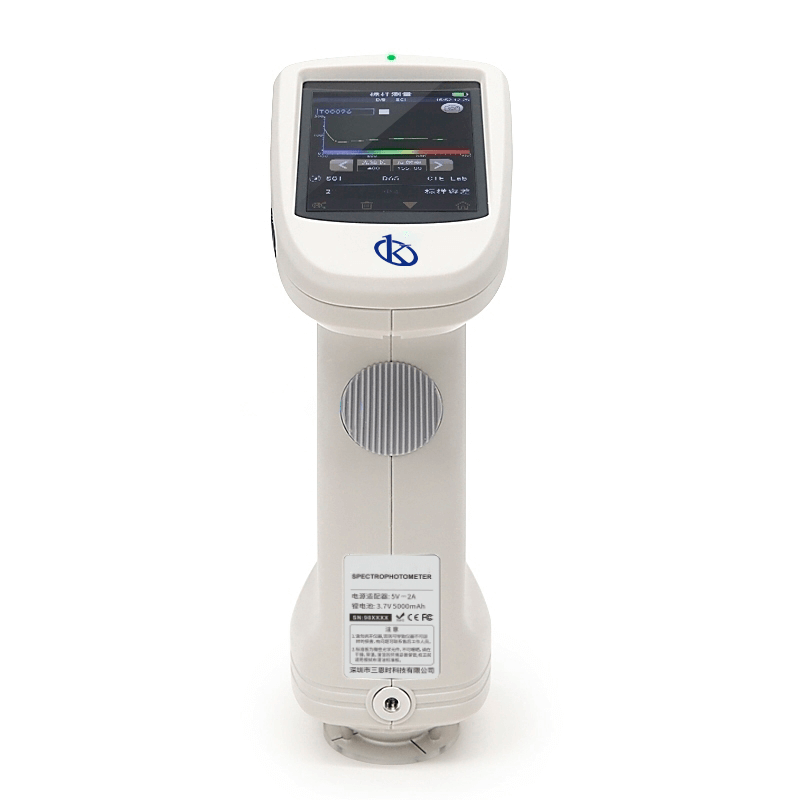
Handheld Spectrophotometer: Practical Applications and Techniques 2026
What is it used for in 2026
In 2026, handheld spectrophotometers are essential tools in laboratories, serving a multitude of applications across various industries. They are primarily used for color measurement, quality control, and material analysis. These devices allow professionals to conduct accurate color assessments quickly and conveniently, ensuring that products meet the desired specifications.
Common applications include color matching in textiles, paint, and plastics, as well as quality assurance in food production and cosmetics. Their portability also facilitates on-site inspections, making them invaluable for field testing.
History and evolution of the technology
The handheld spectrophotometer has undergone considerable evolution since its inception. Initially, color measurement relied heavily on visual assessments and cumbersome laboratory equipment. With advancements in optics and digital technology, handheld devices emerged, allowing for more precise and portable solutions.
The introduction of microprocessor technology and high-quality optics has significantly enhanced the accuracy and functionality of handheld spectrophotometers. Today’s models provide users with advanced features such as data logging, enhanced connectivity options, and sophisticated software for data analysis.
How to use it step by step
Using a handheld spectrophotometer involves several straightforward steps:
- Preparation: Ensure the device is fully charged and calibrated according to the manufacturer's instructions.
- Sample Selection: Choose the sample to be measured. Ensure the surface is clean and representative of the material being analyzed.
- Measurement Setup: Select the appropriate measurement mode on the device, typically based on the type of sample or analysis required.
- Positioning: Place the spectrophotometer onto the sample surface, ensuring that the aperture is aligned correctly for an accurate reading.
- Data Acquisition: Press the measure button to begin data collection. The device will analyze the light reflected from the sample and provide a color reading.
- Data Interpretation: Review the results displayed on the screen, which can include color values in various color spaces.
- Documentation: Record the results and any relevant notes about the sample or measurement conditions.
Best techniques and protocols
To achieve optimal results when using handheld spectrophotometers, adhere to the following techniques and protocols:
- Calibration: Regularly calibrate the device using certified standards to ensure accuracy.
- Environmental Control: Conduct measurements in consistent lighting and temperature conditions to avoid variability.
- Sample Preparation: Prepare samples carefully by ensuring they are smooth and free of contaminants.
- Multiple Measurements: Take multiple readings of the same sample to obtain average values for higher precision.
- Documentation: Maintain a log of measurements and conditions for future reference and quality control.
Practical applications by laboratory type
Handheld spectrophotometers find utility in various laboratory environments, including:
- Textile Laboratories: For color matching and quality control in fabric and dye production.
- Paint and Coatings Laboratories: Used to ensure color consistency in coatings and finishes.
- Food and Beverage Laboratories: Evaluate color in food products as an indicator of quality and freshness.
- Cosmetic Laboratories: Assess the appearance of cosmetic products and ensure they meet market standards.
- Research and Development Laboratories: Employed in material science for characterizing new materials and formulations.
Regulations, standards and certifications
In 2026, handheld spectrophotometers must comply with various regulations and standards, ensuring accuracy and reliability in measurements. Key standards include:
- CIE Standards: Compliance with CIE No.15 is essential for color measurement accuracy.
- ISO Standards: Adherence to ISO 7724-1 and other relevant ISO standards ensures global acceptance and reliability.
- ASTM Standards: Many industries follow ASTM E1164 for spectrophotometric measurements, which outlines rigorous testing protocols.
Comparison with alternative technologies
When considering alternatives to handheld spectrophotometers, various options exist, including:
- Traditional Spectrophotometers: Larger and more complex, these offer higher accuracy but lack portability.
- Colorimeters: Simpler devices focused primarily on color measurements, but less flexible for broader analyses.
- Visual Assessments: Human color judgment is subjective and prone to error compared to electronic measurements.
Comparison of available models
| Model | Best for | Key specs | Recommended use case |
|---|---|---|---|
| YR05493 | Quality control in textiles and automotive | Price: $4254.00 | Color measurement and analysis in various industries |
| YR05494 | Color matching in paints and coatings | Price: $3180.00 | Quality assurance in manufacturing processes |
| YR05495 | Custom color analysis in ceramics | Price: $2250.00 | For precise color control |
| YR05496 | Color management in food and cosmetics | Price: $1670.00 | Product quality control and management |
| YR05499 | Field testing in various industries | Price: $1670.00 | Fast and efficient on-site color measurements |
| YR05498 | Color assessment in production lines | Price: $1670.00 | To ensure consistency in production |
Common mistakes and how to avoid them
To maximize the effectiveness of handheld spectrophotometers, avoid these common mistakes:
- Inadequate Calibration: Always calibrate the device before use to ensure accurate readings.
- Ignoring Environmental Factors: Conduct measurements in controlled environments to minimize external influences.
- Rushing Measurements: Take your time to ensure proper positioning and cleanliness of the sample for reliable results.
- Neglecting Data Documentation: Always keep a detailed log of measurements and conditions for traceability.
Maintenance, calibration and good practices 2026
Regular maintenance and calibration are crucial for the longevity and reliability of handheld spectrophotometers. Follow these practices:
- Periodic Calibration: Calibrate the device regularly using certified color standards.
- Cleaning: Clean the optical components carefully to prevent contamination and ensure accurate readings.
- Software Updates: Keep the device's software up to date for improved functionality and features.
- Storage: Store the instrument in a protective case to avoid physical damage.
Cost-benefit analysis 2026
Investing in a handheld spectrophotometer offers substantial benefits. While initial costs may vary, the long-term advantages include:
- Increased Efficiency: Accelerated color testing processes lead to less downtime in production.
- Improved Accuracy: Enhanced precision reduces the likelihood of costly errors in quality control.
- Portability: The ability to perform on-site measurements saves time and resources.
- Versatility: Ability to use across multiple applications enhances return on investment.
Frequently asked questions
What factors should I consider when choosing a handheld spectrophotometer?
Consider specifications such as measurement range, accuracy, and the types of samples you will be analyzing. Additionally, assess whether portability and connectivity features are important for your applications.
How often should I calibrate my spectrophotometer?
Calibration frequency depends on usage intensity and environmental conditions. For regular use, calibrate daily or weekly. For less frequent use, calibrating before each use is advisable.
Can I use a handheld spectrophotometer for all materials?
Most handheld spectrophotometers can measure a wide range of materials, but some might be better suited for specific applications. Ensure to check compatibility with your materials before purchase.
What maintenance steps are necessary to keep my device in good condition?
Regularly clean the optical components, ensure proper calibration, and store the device in a protective case when not in use. Software should also be updated periodically.
How do handheld spectrophotometers compare to traditional models?
Handheld spectrophotometers offer portability and ease of use compared to traditional models, which tend to be larger and less convenient for on-site measurements. However, traditional models may provide higher precision for complex analyses.
What are the common applications of handheld spectrophotometers?
Common applications include color matching in textiles, quality control in food and cosmetics, and material analysis in research labs.
How can I ensure accurate measurements with a handheld spectrophotometer?
Ensure proper calibration, maintain a controlled environment, prepare samples correctly, and take multiple readings for improved accuracy.
If you are looking for a fusion of innovation and quality, you have come to the right place. At Kalstein, we offer you the luxury of exploring our exclusive catalog of laboratory equipment. We manufacture every device to the highest standards of excellence. Our intuitive and seamless online purchasing channels are designed for your convenience, securing the most competitive prices. Hesitate no longer — we bring science to life, it is time to become part of our community.