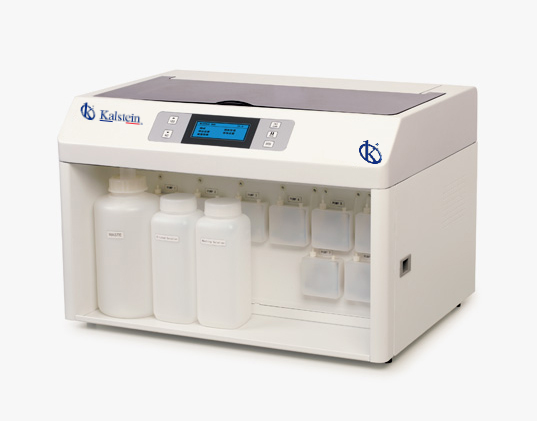
Food Safety Analyzers: Practical Applications and Techniques 2026
What is it used for in 2026
Food Safety Analyzers are essential tools in modern laboratories, particularly in ensuring the safety and quality of food products. These devices are used to analyze various food samples for contaminants, including pesticide residues, antibiotic residues, and organic pollutants. As regulations tighten globally concerning food safety, these analyzers help laboratories meet compliance requirements while providing accurate and timely results.
History and evolution of the technology
The evolution of Food Safety Analyzers dates back several decades when manual methods dominated food testing processes. Early techniques involved basic chemical assays that required extensive labor and time. With advancements in technology, automation began to take center stage, leading to the development of sophisticated analyzers that significantly enhance throughput and precision. Today, devices like the YR06090, YR06089, and YR06093 represent the pinnacle of innovation, integrating multiple testing capabilities with user-friendly interfaces.
How to use it step by step
Using Food Safety Analyzers involves several critical steps:
- Sample Preparation: Collect and prepare food samples according to specific guidelines to ensure that they are suitable for testing.
- Calibration: Ensure the analyzer is calibrated according to the manufacturer’s specifications to guarantee accurate results.
- Loading Samples: Place prepared samples into the analyzer, following the recommended protocols for the specific model used.
- Running Tests: Select the appropriate testing protocol within the device, ensuring all parameters are correctly set.
- Data Interpretation: Analyze the results provided by the analyzer, and compare them against established safety standards.
- Documentation: Record all findings meticulously for future reference and compliance purposes.
Best techniques and protocols
To maximize the efficiency and accuracy of Food Safety Analyzers, consider the following techniques:
- Utilizing a standard calibration curve for quantitative analyses.
- Following manufacturer guidelines for sample volumes and testing conditions.
- Employing control samples alongside test samples to validate results.
- Regularly updating protocols based on the latest research and regulatory requirements.
Practical applications by laboratory type
Food Safety Analyzers find utility across various laboratory types, including:
- Food Processing Laboratories: Regularly test ingredients and final products for safety compliance.
- Research Institutions: Conduct studies on food safety, contaminant levels, and effectiveness of cleaning agents.
- Quality Control Labs: Ensure product batches meet safety standards before market release.
Regulations, standards and certifications
Food Safety Analyzers must comply with numerous regulations and standards, such as:
- ISO 22000 for food safety management.
- FDA guidelines for food testing in the United States.
- European Food Safety Authority (EFSA) standards for contaminants.
Comparison with alternative technologies
Food Safety Analyzers differ significantly from alternative technologies, such as traditional chemical assays or less automated methods. Key differences include:
- Automation: Food Safety Analyzers offer automated processing, reducing human error and increasing throughput.
- Accuracy: They provide more precise measurements compared to conventional methods.
- Speed: Results are generated much faster, allowing for timely decision-making.
Comparison of available models
| Model | Best for | Key specs | Recommended use case |
|---|---|---|---|
| YR06090 | High-throughput immunology testing | Processes up to 40 strips per run, Precision <+5% | Laboratories with high sample demand |
| YR06089 | Comprehensive food safety screening | Absorbance range 0-4,500Abs, 96 tests per plate | Testing for pesticide and antibiotic residues |
| YR06093 | Incubation and shaking of microplates | Temperature range 25-60°C, Precision ±0.5°C | Cell culture applications |
Common mistakes and how to avoid them
Laboratories often encounter mistakes that can compromise test results. Common issues include:
- Improper sample preparation leading to contamination — always follow standard protocols.
- Neglecting calibration — ensure analyzers are calibrated regularly to maintain accuracy.
- Ignoring manufacturer instructions — adhere strictly to operating manuals to avoid improper usage.
Maintenance, calibration and good practices 2026
To ensure optimal performance of Food Safety Analyzers:
- Establish a routine maintenance schedule that includes cleaning and inspection.
- Calibrate analyzers before each use or according to manufacturer recommendations.
- Train personnel on best practices for operating and maintaining equipment.
Cost-benefit analysis 2026
The investment in Food Safety Analyzers can be justified by considering:
- Reduction in labor costs due to automation.
- Increased throughput leading to higher revenue.
- Minimized risk of non-compliance and associated fines.
Frequently asked questions
What should I consider when choosing a Food Safety Analyzer?
Evaluate your laboratory’s specific needs, including sample volume, types of tests required, and regulatory compliance. It's also important to consider the operational ease and support services provided by the manufacturer.
How do I prepare samples for testing?
Sample preparation generally involves homogenizing the food sample, diluting if necessary, and filtering to remove any solids that may interfere with the testing process. Always follow the manufacturer’s guidelines for specific instructions.
What are the key features to look for in Food Safety Analyzers?
Look for features such as automation capability, accuracy, speed of results, multi-sample processing, and user-friendly interfaces. Ensure that the analyzer can handle the specific tests your lab performs.
How often should I calibrate my analyzer?
Calibration frequency depends on the manufacturer’s recommendations and the usage level of the analyzer. As a best practice, calibrate before significant testing runs and periodically based on operational guidelines.
Can I use the same analyzer for different types of tests?
Yes, many modern Food Safety Analyzers, like the YR06089, offer versatility in testing capabilities. However, ensure that you follow the recommended protocols for each type of test performed.
What are the benefits of automation in food safety testing?
Automation significantly improves efficiency, reduces human error, enhances repeatability, and allows for higher throughput in sample processing. This can lead to faster results and better resource allocation in the laboratory.
How can I ensure the accuracy of my test results?
Maintain proper calibration, follow sample preparation protocols, use control samples, and adhere to the manufacturer’s testing procedures to ensure accuracy and reliability of your results.
If you are looking for a fusion of innovation and quality, you have come to the right place. At Kalstein, we offer you the luxury of exploring our exclusive catalog of laboratory equipment. We manufacture every device to the highest standards of excellence. Our intuitive and seamless online purchasing channels are designed for your convenience, securing the most competitive prices. Hesitate no longer — we bring science to life, it is time to become part of our community.