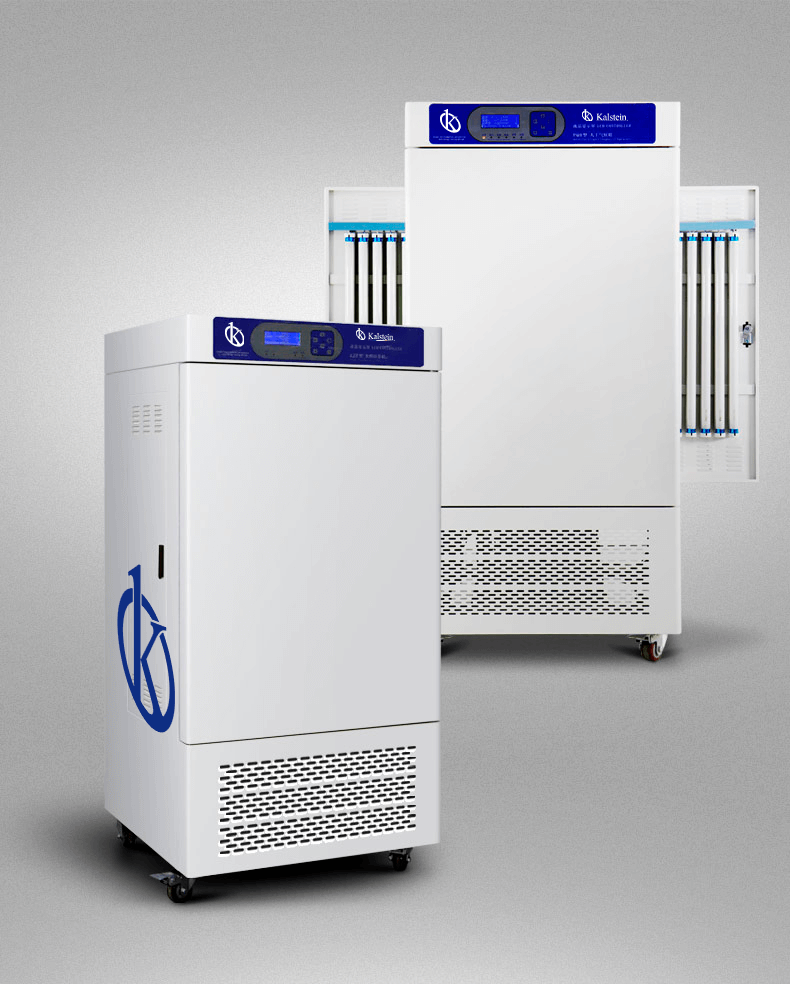
Environmental Chambers: Best Techniques and Protocols in 2026
What is it used for in 2026
Environmental Chambers are essential tools in modern laboratories, utilized for a variety of applications that require controlled environmental conditions. In 2026, these chambers are widely used for testing the effects of temperature and humidity on biological specimens, materials, and products. They simulate natural environmental conditions, making them ideal for research in biology, medicine, agriculture, and environmental sciences.
History and evolution of the technology
The inception of environmental chambers dates back several decades, where early models were basic in functionality and limited in their range of environmental control. Over the years, technological advancements have led to the development of sophisticated models that incorporate features such as precise temperature regulation, humidity control, and advanced monitoring systems. In 2026, the focus has shifted towards energy efficiency and the integration of smart technologies to enhance usability and performance.
How to use it step by step
Using an Environmental Chamber effectively involves several steps:
- Setup: Place the chamber in a stable location away from direct sunlight and heat sources. Ensure that there is adequate ventilation.
- Calibration: Before use, calibrate the chamber according to the manufacturer’s instructions, ensuring accuracy in temperature and humidity settings.
- Loading Samples: Carefully load your samples into the chamber, ensuring optimal spacing for air circulation.
- Set Parameters: Input the desired temperature and humidity settings based on your experimental needs.
- Monitoring: Regularly check the chamber’s readings via its display panel to ensure the conditions are stable.
- Data Recording: Utilize any data logging features for record-keeping and analysis post-experiment.
Best techniques and protocols
To achieve optimal results while using Environmental Chambers, it is vital to follow these best practices:
- Regularly maintain and calibrate the equipment to ensure reliability and accuracy.
- Utilize a consistent loading protocol to enhance reproducibility of results.
- Implement a monitoring system for temperature and humidity fluctuations that may occur during operation.
- Follow a systematic approach for data analysis and interpretation, ensuring robust conclusions from your trials.
Practical applications by laboratory type
Different laboratory types utilize Environmental Chambers to meet specific requirements:
- Biological Research Labs: For testing the growth of bacteria and other microorganisms under controlled conditions.
- Pharmaceutical Labs: To assess the stability of drugs at various temperature and humidity levels.
- Agricultural Labs: For studying plant growth and the effects of environmental changes on crops.
- Environmental Science Labs: To experiment with samples that mimic the effects of climate change.
Regulations, standards and certifications
Environmental Chambers must comply with various regulations and standards to ensure safety and data integrity. In 2026, adherence to ISO 9001 quality management standards and industry-specific regulations is paramount. Certifications such as CE marking for equipment safety also play a critical role in establishing trust and reliability among laboratory professionals.
Comparison with alternative technologies
While Environmental Chambers are widely used, other technologies exist for specific applications:
- Incubators: Generally used for biological cultures but may not offer the same level of environmental control as chambers.
- Climate Control Rooms: Larger and more costly, these are used for extensive research requiring larger sample sizes.
- Environmental Simulators: Used for specific environmental testing, but may not be as versatile as Environmental Chambers.
Comparison of available models
| Model | Best for | Key specs | Recommended use case |
|---|---|---|---|
| YR05328 | Biological research | Temperature Range: 10~60°C; Humidity Range: 50% ~ 90%; Volume: 150L | Ideal for bacterial growth studies |
| YR05329 | Pharmaceutical testing | Temperature Range: 10~60°C; Humidity Range: 50% ~ 90%; Volume: 250L | Best for stability testing of medications |
| YR05330 | Agricultural research | Temperature Range: 10~60°C; Humidity Range: 50% ~ 90%; Volume: 350L | Used for plant growth experiments |
Common mistakes and how to avoid them
Laboratory professionals often make several mistakes when using Environmental Chambers:
- Incorrect Calibration: Always calibrate your equipment before use to avoid skewed results.
- Overloading the Chamber: Ensure that you do not exceed the recommended load to maintain uniform conditions.
- Neglecting Maintenance: Regularly service the equipment to prevent operational issues.
Maintenance, calibration and good practices 2026
In 2026, maintenance of Environmental Chambers is crucial for their performance. This includes:
- Regular cleaning of the interior and external surfaces.
- Routine checks of temperature and humidity sensors to ensure accuracy.
- Scheduled calibration intervals to maintain compliance with laboratory standards.
Cost-benefit analysis 2026
When considering the investment in Environmental Chambers, it is essential to perform a cost-benefit analysis. While initial costs may be high, the benefits of reliable and reproducible results can outweigh these expenses in the long run. Additionally, the energy savings from newer models can contribute to a favorable cost-benefit ratio over time.
Frequently asked questions
What should I consider when choosing an Environmental Chamber?
Consider factors such as temperature and humidity range, size, and the specific applications you require the chamber for.
How do I ensure accurate temperature readings?
Regularly calibrate your Environmental Chamber and utilize calibrated sensors for monitoring.
Can I use Environmental Chambers for long-term studies?
Yes, Environmental Chambers are designed for both short-term and long-term studies, provided they are maintained properly.
What are the best practices for loading samples into the chamber?
Ensure proper spacing between samples for adequate air circulation, and avoid overloading the chamber.
How often should I perform maintenance on my Environmental Chamber?
Maintenance should be performed regularly, typically every few months or as recommended by the manufacturer.
Can Environmental Chambers be used for testing products?
Yes, they are ideal for testing the stability and durability of products under controlled environmental conditions.
If you are looking for a fusion of innovation and quality, you have come to the right place. At Kalstein, we offer you the luxury of exploring our exclusive catalog of laboratory equipment. We manufacture every device to the highest standards of excellence. Our intuitive and seamless online purchasing channels are designed for your convenience, securing the most competitive prices. Hesitate no longer — we bring science to life, it is time to become part of our community.