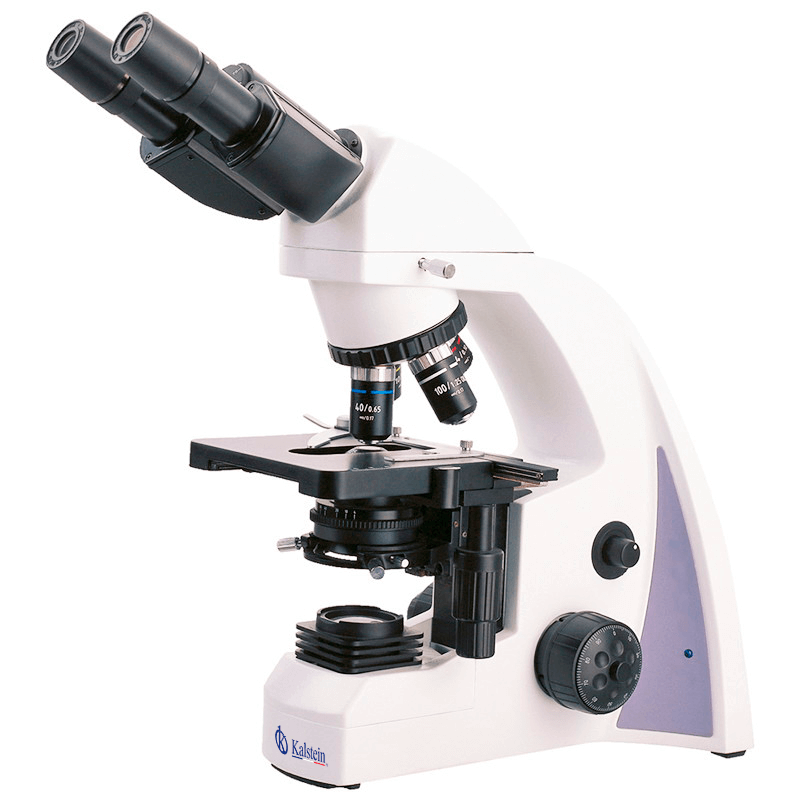
How to Achieve Energy Sustainability and Reduce Environmental Footprint in Laboratory Equipment
In the modern laboratory environment, energy sustainability and environmental responsibility have become more critical than ever. Laboratories consume significant amounts of resources, contributing to a substantial carbon footprint. This article delves into the importance of energy sustainability in laboratory operations and discusses various models available in the market that can help reduce environmental impacts.
Understanding Energy Sustainability in Laboratories
Energy sustainability refers to practices that reduce energy consumption and environmental impact while maintaining productivity and operational efficiency. Laboratories, by their nature, often require extensive energy to operate instruments, maintain controlled environments, and ensure quality results. To achieve energy sustainability, labs must adopt strategies that include energy-efficient equipment, optimized operational protocols, and regular assessments of energy consumption.
Importance of Reducing Environmental Footprint
The environmental footprint of a laboratory encompasses its overall impact on the environment, including energy use, water consumption, and waste generation. Reducing this footprint is crucial for compliance with regulations, improving public perception, and contributing to global sustainability efforts. By implementing energy-efficient practices and utilizing sustainable equipment, laboratories can significantly minimize their environmental impact.
Energy Consumption in Laboratory Equipment
Laboratory equipment such as microscopes, pipettes, and other instruments often represent the highest energy consumers in a lab. Understanding the energy requirements of these devices allows laboratory managers to make informed decisions about procurement and operational practices. Energy-efficient models can reduce energy consumption dramatically, leading to lower operational costs and a smaller environmental footprint.
Comparison of Available Models
| Model Code | Type | Energy Efficiency Features | Environmental Impact Reduction | Best Use Case |
|---|---|---|---|---|
| YR0237-0-1 | Laboratory Microscope | LED illumination, adjustable light control | Lower energy consumption | Routine microscopy tasks |
| YR0237-1 | Laboratory Microscope | Energy-efficient optics | Minimized power usage | Advanced microscopy applications |
| YR0237-1-1 | Laboratory Microscope | High efficiency objectives | Reduced operational costs | Research laboratories |
| YR03731-1 | Fluid Handling Pipette | Ergonomic design for reduced energy in use | Decreased user fatigue | Precision fluid handling |
| YR03731-2 | Fluid Handling Pipette | Color-coded volume indication | Enhanced usability | General lab applications |
| YR03731-3 | Fluid Handling Pipette | Low operational force | Less energy required per use | High-throughput settings |
Implementing Energy Efficiency Practices
To effectively implement energy-efficient practices, laboratories should consider the following strategies:
- Regular Audits: Conduct energy audits to identify areas for improvement.
- Use of Energy Star Equipment: Invest in equipment that meets Energy Star certifications.
- Optimize Usage: Ensure equipment is only used when necessary and powered down when not in use.
- Educate Staff: Train staff on best practices for energy conservation.
Common Mistakes and How to Avoid Them
Many laboratories make mistakes that lead to increased energy consumption. Common pitfalls include:
- Failing to conduct regular energy audits
- Neglecting to power off equipment that is not in use
- Overlooking the importance of energy-efficient equipment
To avoid these issues, laboratories should establish a culture of energy awareness and continuously evaluate their energy usage.
Frequently Asked Questions
What are the best energy-efficient features in laboratory microscopes?
Energy-efficient features in laboratory microscopes include LED illumination and adjustable light control, as seen in models like YR0237-0-1. These features help reduce power consumption, making them suitable for environments focused on sustainability.
How can fluid handling pipettes contribute to energy sustainability in labs?
Fluid handling pipettes such as YR03731-1 are designed for low operational force, enhancing ergonomics and reducing user fatigue. This contributes to overall energy sustainability by making lab tasks less physically taxing, leading to better energy practices.
Which laboratory equipment models provide the best reduction in environmental footprint?
Models such as YR0237-1 provide advanced optics and energy-efficient features that significantly reduce environmental impact. Their lower energy consumption directly correlates with a reduced carbon footprint in laboratory operations.
What steps can laboratories take to lower their energy consumption?
Laboratories can lower energy consumption by conducting regular audits, optimizing equipment usage, and investing in energy-efficient models like YR03731-2. Educating staff on energy-saving practices is also essential for effective implementation.
Are there specific standards for energy efficiency in laboratory equipment?
Yes, equipment that meets Energy Star or other certification standards, such as the models discussed, is essential for energy efficiency. These certifications ensure that the equipment meets specific energy performance criteria.
How does energy sustainability affect laboratory operational costs?
Energy sustainability can significantly lower operational costs by reducing electricity expenses. Investing in energy-efficient equipment like YR0237-1-1 can lead to long-term savings, enhancing overall laboratory budget management.
Why is staff training important for energy sustainability in laboratories?
Staff training is vital for promoting energy-saving practices. Educating users on how to operate equipment efficiently and the importance of powering down devices when not in use can lead to meaningful reductions in energy consumption.
What role do audits play in achieving energy sustainability?
Regular energy audits help identify areas for improvement in energy use, ensuring that operations remain efficient. By evaluating consumption patterns, laboratories can implement changes that promote energy sustainability effectively.
If you are looking for a fusion of innovation and quality, you have come to the right place. At Kalstein, we offer you the luxury of exploring our exclusive catalog of laboratory equipment. We manufacture every device to the highest standards of excellence. Our intuitive and seamless online purchasing channels are designed for your convenience, securing the most competitive prices. Hesitate no longer — we bring science to life, it is time to become part of our community.