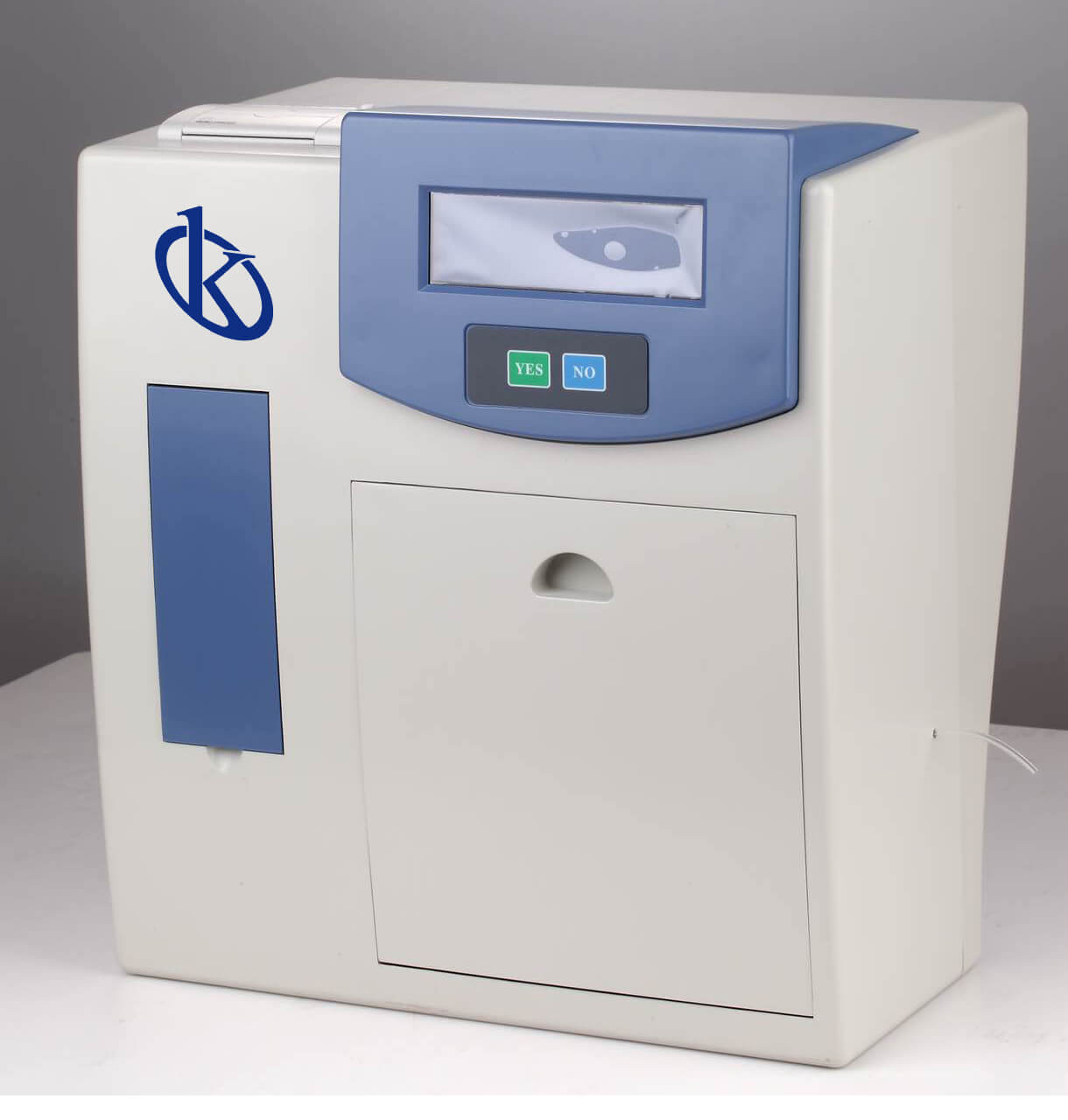
Electrolyte Analyzers: LIMS Integration and Data Flow Digitalization Insights for 2026
The realm of laboratory diagnostics is undergoing a significant transformation, with a strong emphasis on LIMS (Laboratory Information Management System) integration and the digitalization of data flows. This evolution is pivotal in enhancing the efficiency, accuracy, and connectivity of clinical analysis, particularly in the area of electrolyte analyzers. As laboratories strive for operational excellence in 2026, understanding how these systems work together is essential for optimizing workflows and maximizing diagnostic capabilities.
Understanding the Importance of Integration with LIMS
Electrolyte analyzers have become essential tools in clinical laboratories, providing critical data for patient diagnosis and monitoring. LIMS integration facilitates the seamless flow of data between analyzers and laboratory management systems. This integration allows for automated data entry, reducing human error and improving turnaround times.
Furthermore, LIMS integration supports regulatory compliance by ensuring that data is traceable and auditable. In 2026, the expectation is that electrolyte analyzers will come equipped with advanced connectivity options, allowing for real-time data sharing and analytical reporting.
Key Features of Electrolyte Analyzers
Modern electrolyte analyzers are designed with features that enhance usability and reliability. These include:
- Real-Time Diagnostics: Many models, like the YR05169, provide diagnostic capabilities that monitor system performance, ensuring accuracy and reliability.
- Automatic Calibration: Models such as YR06391 and YR06392 have automatic calibration features that improve measurement consistency.
- User-Friendly Interfaces: Touchscreen interfaces, like those on the YR06391, enhance user interaction and facilitate ease of use.
Incorporating these features with LIMS can lead to enhanced diagnostic accuracy and operational efficiency.
LIMS Connectivity Protocols for Electrolyte Analyzers
To achieve effective LIMS integration, electrolyte analyzers must support various connectivity protocols. Common protocols include:
- HL7: Widely used for exchanging clinical data.
- ASTM: Facilitates data exchange between laboratory equipment and LIMS.
- RESTful APIs: Allow for easy integration and data sharing across systems.
Understanding these protocols is essential for laboratories aiming to implement a fully integrated electrolyte analysis workflow in 2026.
Challenges in Data Digitalization and Integration
While integrating electrolyte analyzers with LIMS presents numerous advantages, challenges remain. Some common issues include:
- Data Security: Ensuring patient data remains secure during transfers.
- Compatibility: Different systems may not communicate effectively, leading to integration failures.
To mitigate these challenges, laboratories must invest in robust IT infrastructures and choose electrolyte analyzers that offer proven compatibility with their LIMS.
Comparison of Available Models
| Model | Connectivity | Protocols Supported | Integration Effort | Best For |
|---|---|---|---|---|
| YR05169 | Automatic | HL7, ASTM | Medium | High-volume labs |
| YR06391 | Touchscreen Interface | HL7, REST | Low | Small to medium labs |
| YR06392 | Flexible Connectivity | ASTM, REST | Medium | Research applications |
| YR06393 | Advanced | HL7 | High | Diagnostic efficiency |
| YR06394 | Standard | ASTM | Medium | General use |
| YR06395 | Touchscreen | REST, HL7 | Low | User-friendly environments |
Common Mistakes and How to Avoid Them
As laboratories transition to digital workflows with electrolyte analyzers, they may encounter several pitfalls. Common mistakes include:
- Inadequate Training: Not investing in staff training on new systems can lead to operational inefficiencies.
- Neglecting Data Security: Failing to secure data during integration can compromise patient information.
To avoid these issues, laboratories should provide comprehensive training and implement strict data security protocols during the integration process.
Frequently Asked Questions
What are the benefits of integrating electrolyte analyzers with LIMS in 2026?
Integrating electrolyte analyzers such as YR06391 with LIMS enhances data accuracy, reduces turnaround times, and ensures compliance with regulatory standards. It allows for seamless data management and improved laboratory efficiency.
How much does an LIMS-integrated electrolyte analyzer cost in 2026?
The cost of an LIMS-integrated electrolyte analyzer like YR05169 can vary, but it typically ranges from $1,250 to $6,797.50, depending on the model and features.
Which models are best for small laboratories seeking LIMS integration in 2026?
Models like YR06391 and YR06395 are ideal for small laboratories due to their user-friendly interfaces and lower integration efforts, making them suitable for streamlined workflows.
What connectivity protocols should I look for in 2026?
In 2026, focus on electrolyte analyzers that support HL7 and ASTM protocols to ensure compatibility with your existing LIMS and facilitate efficient data exchange.
How does the YR06392 model enhance data flow digitalization?
The YR06392 model enhances data flow digitalization through its flexible connectivity options, allowing for seamless integration with various LIMS and supporting real-time data sharing.
What are the common integration challenges for electrolyte analyzers?
Common integration challenges include data security risks and compatibility issues with existing systems. Address these by choosing analyzers like YR06393 that are known for their robust integration capabilities.
How can I ensure compliance with regulations when using electrolyte analyzers?
To ensure compliance, laboratories should choose models like YR05169 that have built-in diagnostic and calibration features, aligning with regulatory standards and ensuring data integrity.
What is the expected ROI from a LIMS-integrated electrolyte analyzer over five years?
The expected ROI can vary, but integrating a model like YR06395 can lead to significant cost savings in operational efficiency and reduced errors, typically justifying the initial investment within three to five years.
If you are looking for a fusion of innovation and quality, you have come to the right place. At Kalstein, we offer you the luxury of exploring our exclusive catalog of laboratory equipment. We manufacture every device to the highest standards of excellence. Our intuitive and seamless online purchasing channels are designed for your convenience, securing the most competitive prices. Hesitate no longer — we bring science to life, it is time to become part of our community.