Electric Wheelchairs: A Practical Step-by-Step Guide for 2026
What is it used for in 2026
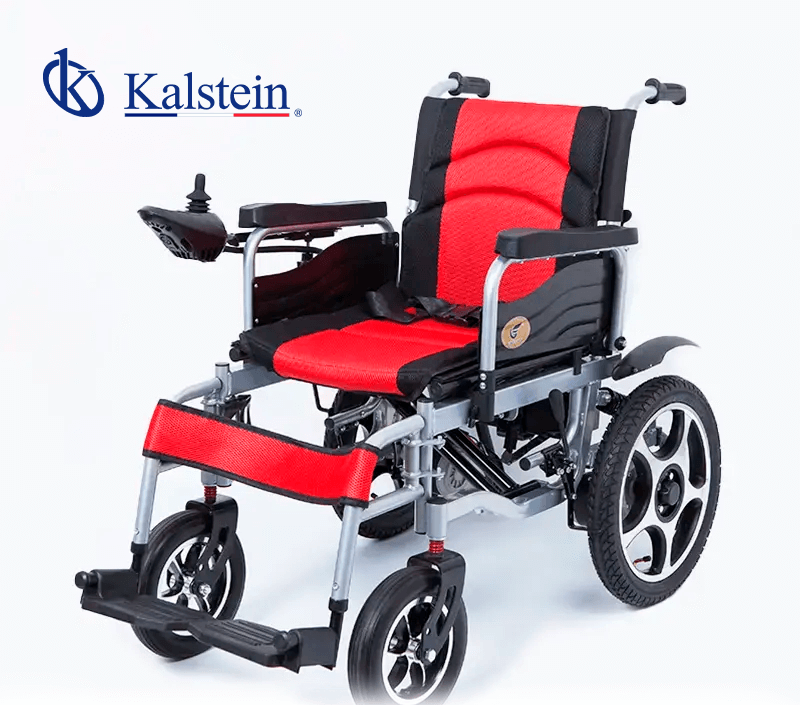
Electric wheelchairs are used for providing mobility to individuals with limited physical ability. In 2026, they are essential for enhancing the quality of life for the elderly and people with disabilities, enabling them to navigate their environments independently. These wheelchairs are equipped with advanced features such as adjustable seating, remote control, and robust battery systems to cater to various terrains and user preferences.
History and evolution of the technology
The evolution of electric wheelchairs began in the mid-20th century, initially designed to assist individuals with mobility impairments. Over the decades, technology has progressed, integrating features such as lightweight materials, advanced battery systems, and smart technology that enhances user experience. By 2026, electric wheelchairs have become more user-friendly and versatile, focusing on comfort, mobility, and safety.
How to use it step by step
Using an electric wheelchair involves several steps:
- Getting Familiar with Controls: Understand the joystick and other controls before use.
- Adjusting Settings: Set the seat height, armrests, and angle of the backrest for comfort.
- Charging the Battery: Ensure the wheelchair is fully charged before use.
- Testing Maneuverability: Practice moving forward, backward, and turning in an open space.
- Checking Safety Features: Make sure all safety mechanisms are functioning properly.
Best techniques and protocols
Best practices for using electric wheelchairs include:
- Regular maintenance checks to ensure the wheelchair operates safely.
- Monitoring battery health and charging practices to maximize battery life.
- Adhering to weight limits and user guidelines for optimal performance.
Practical applications by laboratory type
Electric wheelchairs find use in various laboratory settings:
- Clinical Laboratories: Assisting patients in moving between different departments.
- Research Facilities: Providing mobility for researchers with physical limitations.
- Rehabilitation Centers: Aiding patients in physical therapy routines.
Regulations, standards and certifications
Electric wheelchairs must comply with specific safety standards and regulations set by health authorities and organizations. In 2026, certifications may include:
- ISO (International Organization for Standardization) standards.
- FDA (Food and Drug Administration) regulations.
- CE marking for compliance with EU legislation.
Comparison with alternative technologies
When comparing electric wheelchairs to alternatives, such as manual wheelchairs and mobility scooters, it is important to consider:
- Mobility: Electric wheelchairs offer greater independence and ease of use.
- Range: They provide a longer range than manual options and are less physically demanding.
- Cost: Typically, electric wheelchairs have a higher initial cost but can provide greater long-term benefits.
Comparison of available models
| Model | Best for | Key specs | Recommended use case |
|---|---|---|---|
| YR05440 | Travel and Transport | 130 kg load, 6 km/h max speed | Ideal for short trips and easy transport. |
| YR05441 | Comfort and Adjustability | 130 kg load, adjustable backrest | Best for users needing customization and comfort. |
| YR05442 | Outdoor Use | 200 kg load, 20 km/h max speed | Designed for rugged terrains and longer distances. |
| YR05443 | Portability | 130 kg load, foldable design | Perfect for frequent travelers. |
| YR05444 | Smart Features | 100 kg load, Bluetooth control | Great for tech-savvy users wanting connectivity. |
| YR05445 | Lightweight Mobility | 100 kg load, 8 km/h max speed | Best for users seeking a lightweight option. |
Common mistakes and how to avoid them
To ensure effective use of electric wheelchairs, avoid the following common mistakes:
- Neglecting regular maintenance, which can lead to malfunctions.
- Ignoring weight limits, which can compromise safety and performance.
- Failing to familiarize oneself with controls before use, leading to accidents.
Maintenance, calibration and good practices 2026
For optimal operation of electric wheelchairs, follow these maintenance practices:
- Conduct routine inspections of the battery, tires, and brakes.
- Keep the wheelchair clean to prevent wear and tear.
- Regularly calibrate controls to ensure accuracy and responsiveness.
Cost-benefit analysis 2026
When evaluating the cost-benefit of electric wheelchairs in 2026, consider:
- The initial investment versus long-term savings in transportation and mobility.
- Enhanced independence and quality of life for users outweighing costs.
- Potential insurance reimbursements that may alleviate financial burdens.
Frequently asked questions
What features should I look for in an electric wheelchair?
When choosing an electric wheelchair, consider features such as weight capacity, battery life, adjustability of seating, and ease of transport. Smart features like Bluetooth connectivity can also enhance usability.
How do I maintain my electric wheelchair?
Regularly inspect the battery, tires, and brakes. Keep the wheelchair clean and calibrate the controls periodically to ensure proper functionality.
Can I use an electric wheelchair outdoors?
Yes, many electric wheelchairs are designed for outdoor use, particularly models that offer robust wheels and higher weight capacities.
What is the average lifespan of an electric wheelchair?
The average lifespan of an electric wheelchair can range from 5 to 10 years, depending on usage and maintenance practices.
Are electric wheelchairs covered by insurance?
Many insurance plans may cover electric wheelchairs, but coverage can vary. It's advisable to check with your insurance provider for specific details.
What should I do if my electric wheelchair malfunctions?
If your electric wheelchair malfunctions, consult the user manual for troubleshooting steps, and contact a qualified technician for repairs if necessary.
Closing CTA
If you are looking for a fusion of innovation and quality, you have come to the right place. At Kalstein, we offer you the luxury of exploring our exclusive catalog of laboratory equipment. We manufacture every device to the highest standards of excellence. Our intuitive and seamless online purchasing channels are designed for your convenience, securing the most competitive prices. Hesitate no longer — we bring science to life, it is time to become part of our community.