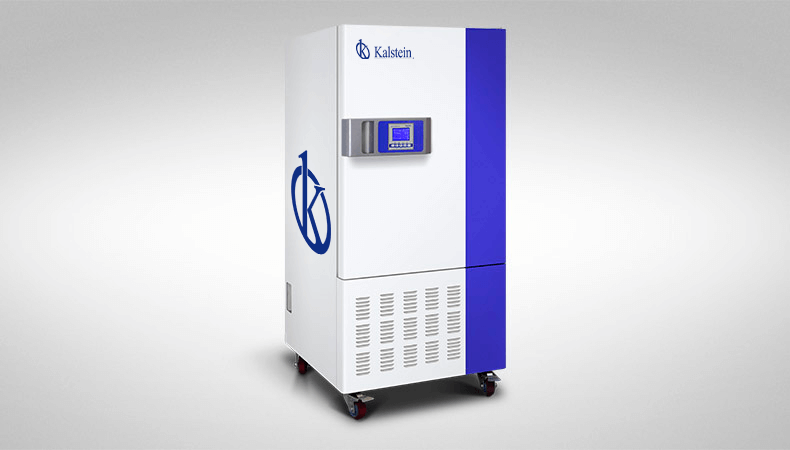
Drug Stability Test Chambers: Practical Applications and Techniques 2026
What is it used for in 2026
Drug stability test chambers are essential tools in pharmaceutical laboratories, used primarily for testing the stability of drugs under various environmental conditions. In 2026, these chambers play a crucial role in ensuring that medications maintain their efficacy and safety throughout their shelf life. They are employed across multiple industries, including pharmaceuticals, biotechnology, food production, and electronics, making them vital for extensive research and quality control.
History and evolution of the technology
The technology behind drug stability test chambers has evolved significantly over the years. Initially, these chambers were simple devices that provided basic temperature and humidity control. As research advanced, so did the technology, leading to the integration of sophisticated features such as microprocessor controls, advanced cooling systems, and automated defrost mechanisms. This evolution has enabled laboratories to conduct more precise and comprehensive stability testing, ensuring compliance with stringent regulatory standards.
How to use it step by step
Using a drug stability test chamber involves several key steps:
- Preparation: Ensure the chamber is clean and calibrated. Check all settings and confirm that the internal environment can achieve the desired conditions.
- Sample Loading: Place drug samples in designated areas within the chamber, ensuring they are spaced appropriately to allow for air circulation.
- Setting Parameters: Input the required temperature and humidity settings according to the specific testing protocol. This may involve selecting from predefined programs or manually entering values.
- Monitoring: Continuously monitor the internal conditions using the chamber’s display or remote monitoring systems to ensure stability is maintained throughout the test period.
- Data Collection: Record any changes in the samples over time, assessing physical, chemical, and microbial stability as needed.
- Analysis: After the testing period, analyze the data collected to determine the stability of the drug samples and make informed decisions regarding their shelf life.
Best techniques and protocols
To ensure accurate results when using drug stability test chambers, laboratory professionals should adhere to the following best techniques and protocols:
- Utilize validated methods for sample analysis to ensure reliability.
- Follow standardized guidelines from regulatory bodies such as the FDA or ICH.
- Regularly calibrate and maintain the equipment to avoid discrepancies in test results.
- Implement a thorough documentation process to track all tests and results systematically.
Practical applications by laboratory type
Different laboratory types utilize drug stability test chambers in various ways:
- Pharmaceutical Laboratories: Focus on testing drug formulations under simulated storage conditions.
- Biotechnology Labs: Analyze the stability of biologics and biosimilars under varying environmental stresses.
- Food Industry: Assess the stability of food supplements and nutraceuticals to ensure quality.
- Research Institutions: Conduct studies on the effects of environmental factors on drug stability.
Regulations, standards and certifications
In 2026, compliance with regulations and standards is critical when using drug stability test chambers. Laboratories must adhere to:
- Good Laboratory Practices (GLP)
- International Council for Harmonisation (ICH) guidelines
- Quality Assurance Standards (ISO)
- Regulations set forth by the Food and Drug Administration (FDA)
Comparison with alternative technologies
While drug stability test chambers are widely used, there are alternative technologies available:
- Environmental Test Chambers: Provide broader testing capabilities, including temperature cycling and shock testing.
- Refrigerators and Freezers: Used for specific storage conditions rather than comprehensive stability testing.
However, drug stability test chambers offer features specifically designed for stability testing, including precise control of temperature and humidity, making them indispensable.
Comparison of available models
| Model | Best for | Key specs | Recommended use case |
|---|---|---|---|
| YR05350 | Pharmaceutical stability testing | Temperature range: 0~60°C, Humidity range: 50~90% HR | Ideal for basic stability tests in pharmaceuticals and food products. |
| YR05351 | Biotechnology and food industry testing | Temperature accuracy: ±0.1°C, Fluctuation: ±0.5°C | Suitable for complex stability tests requiring higher precision. |
| YR05352 | Advanced stability testing | Temperature uniformity: ±1°C, Humidity fluctuation: ±3% HR | Best for comprehensive stability analysis in critical applications. |
Common mistakes and how to avoid them
Laboratory professionals often encounter pitfalls when using drug stability test chambers. Here are some common mistakes and strategies to avoid them:
- Inadequate Calibration: Ensure regular calibration and maintenance are scheduled to maintain accuracy.
- Improper Sample Placement: Load samples correctly to ensure airflow and temperature distribution is uniform.
- Failure to Monitor Conditions: Continuously monitor environmental conditions and adjust as necessary.
Maintenance, calibration and good practices 2026
For optimal performance in 2026, consider the following maintenance and calibration practices:
- Perform routine inspections to check for any signs of wear and tear.
- Calibrate temperature and humidity sensors at regular intervals using certified standards.
- Clean the interior and exterior surfaces of the chamber to prevent contamination.
Cost-benefit analysis 2026
When evaluating the cost-benefit of drug stability test chambers, consider:
- Initial investment vs. long-term savings on product failures and recalls.
- The potential revenue from compliant products versus non-compliant ones.
- Operational efficiency gained through improved testing methods and reduced errors.
Frequently asked questions
What factors should I consider when choosing a drug stability test chamber?
Consider the temperature and humidity ranges, precision, capacity, and features like data logging and automation when selecting a chamber.
How often should I calibrate my drug stability test chamber?
It is recommended to calibrate chambers at least once a year or more frequently based on usage and regulatory requirements.
What are the best practices for loading samples into the chamber?
Ensure samples are evenly spaced to promote adequate airflow and avoid overcrowding, which can lead to inaccurate results.
How can I ensure compliance with regulatory standards?
By following established guidelines, maintaining thorough documentation, and routinely calibrating your equipment, compliance can be achieved.
What types of data can I collect from stability testing?
Data collected may include physical appearance, potency, degradation products, and microbial growth over time.
Can I use drug stability test chambers for other types of products?
Yes, they can be utilized for stability testing of food products, cosmetics, and biological samples, as long as the conditions are appropriate.
How do I know when to replace my stability test chamber?
Signs of malfunction, inability to maintain set conditions, or age of the chamber often indicate that it should be replaced.
If you are looking for a fusion of innovation and quality, you have come to the right place. At Kalstein, we offer you the luxury of exploring our exclusive catalog of laboratory equipment. We manufacture every device to the highest standards of excellence. Our intuitive and seamless online purchasing channels are designed for your convenience, securing the most competitive prices. Hesitate no longer — we bring science to life, it is time to become part of our community.