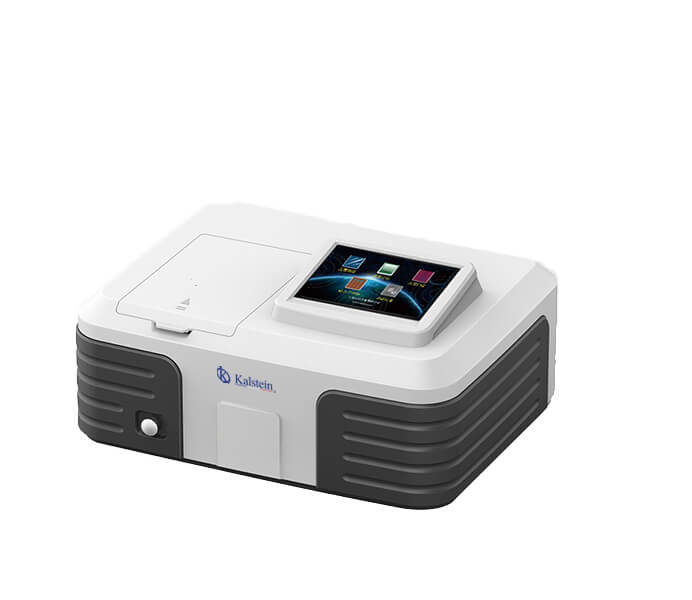
Double Beam Spectrophotometers: Common Errors and How to Avoid Them in Daily Operations 2026
What is it used for in 2026
In 2026, double beam spectrophotometers are pivotal in various laboratory applications, particularly in chemical analysis, biochemistry, and environmental studies. These instruments are utilized for determining the concentration of substances by measuring the intensity of light absorbed by a sample. They play a crucial role in quality control, research and development, and educational settings, providing accurate and reliable data for a wide range of analyses.
History and evolution of the technology
The double beam spectrophotometer has evolved significantly since its inception in the mid-20th century. Initially, single beam spectrophotometers were used, but they had limitations such as instability in readings due to fluctuations in light source intensity. The advent of double beam technology introduced a solution where two light paths (one for the sample and another for the reference) increased accuracy and reduced noise interference. Over the years, advancements in optical components, digital displays, and software have transformed these instruments into sophisticated devices with high sensitivity and versatility.
How to use it step by step
Using a double beam spectrophotometer involves several key steps:
- Preparation: Ensure the instrument is properly calibrated before use. Check all connections and settings.
- Sample Preparation: Dilute samples as necessary, ensuring they are free from bubbles and contaminants.
- Zeroing the Instrument: Conduct a blank measurement with the solvent or medium used in the sample to set a baseline.
- Measurement: Place the sample in the designated compartment and initiate the measurement. Record the absorbance or transmittance values displayed.
- Data Analysis: Utilize the software or manual calculations to analyze the obtained data for your specific application.
Best techniques and protocols
To ensure accurate results when using double beam spectrophotometers, consider the following best practices:
- Always calibrate the instrument regularly and after any maintenance.
- Use high-quality cuvettes that are clean and free from scratches.
- Maintain a consistent temperature during measurements to minimize variability.
- Follow specific protocols for sample preparation to avoid interference.
- Perform duplicate measurements for greater reliability.
Practical applications by laboratory type
Double beam spectrophotometers find diverse applications across various laboratory types:
- Chemistry Laboratories: Used for analyzing reaction kinetics and quantifying reactants.
- Biochemistry Labs: Essential in protein and nucleic acid quantification.
- Environmental Testing: Used to monitor pollutants in water, air, and soil samples.
- Pharmaceutical Labs: Employed in drug formulation and stability testing.
Regulations, standards and certifications
Double beam spectrophotometers must adhere to various regulations and standards, including:
- ISO 9001: Quality management systems for consistent quality.
- ASTM Standards: Specific standards for testing procedures and equipment performance.
- FDA Regulations: For applications in pharmaceutical and clinical laboratories.
Comparison with alternative technologies
Alternative technologies such as single beam spectrophotometers and other optical analyzers offer different advantages:
- Single Beam Spectrophotometers: Typically less expensive but less stable due to dependence on the light source.
- Fluorometers: More suited for specific applications requiring fluorescence measurements rather than absorbance.
- Mass Spectrometry: Provides detailed molecular structure information but at a higher cost and complexity.
Comparison of available models
| Model | Best for | Key specs | Recommended use case |
|---|---|---|---|
| YR01858 | General Laboratory Use | 320-1100 nm, ± 0.5 nm accuracy | Routine photometric measurements across various applications. |
| YR01862 | Advanced Analytical Applications | 190-1100 nm, ± 0.1 nm accuracy | Complex sample analyses requiring high precision. |
| YR01862-1 | Multifunctional Research | 190-1100 nm, 1.0 nm bandwidth | Research labs focusing on diverse analytical methods. |
| YR01862-2 | High Throughput Analysis | 190-1100 nm, advanced optical design | Laboratories with high sample volume requirements. |
| YR01864 | Broad Spectrum Applications | 190-1100 nm, 0.5 nm bandwidth | Analyses needing broad wavelength capabilities. |
| YR01865 | High Precision Testing | 190-1100 nm, ± 0.1 nm accuracy | Precision demanding applications in pharmaceuticals and research. |
Common mistakes and how to avoid them
Laboratory professionals often encounter several common mistakes when using double beam spectrophotometers:
- Neglecting Calibration: Regular calibration is crucial; failing to do so can lead to inaccurate results.
- Improper Sample Handling: Not using clean cuvettes or mishandling samples can introduce contamination.
- Ignoring Environmental Factors: Fluctuations in temperature and light can affect readings; maintain stable conditions.
- Rushing Measurements: Taking measurements too quickly can lead to errors; allow proper time for stabilization.
Maintenance, calibration and good practices 2026
To ensure the longevity and accuracy of double beam spectrophotometers, follow these maintenance practices:
- Conduct regular calibration checks using certified standards.
- Clean the optical components and cuvettes after each use to prevent contamination.
- Store the instrument in a controlled environment to avoid exposure to dust and extreme temperatures.
- Perform software updates as they become available to maintain compatibility and functionality.
Cost-benefit analysis 2026
When considering the investment in a double beam spectrophotometer, a thorough cost-benefit analysis is essential. Evaluate the initial purchase cost against the potential for increased efficiency, accuracy, and the ability to conduct a wider range of analyses. The long-term savings from reduced re-testing and increased throughput can justify the upfront expense, making these instruments a worthwhile investment for laboratories aiming to enhance their analytical capabilities.
Frequently asked questions
What are the primary advantages of using a double beam spectrophotometer over a single beam?
The primary advantages include increased stability and accuracy, as the double beam configuration compensates for fluctuations in the light source by continuously measuring a reference beam alongside the sample beam.
How do I choose the right double beam spectrophotometer for my laboratory?
Consider factors such as the wavelength range required for your applications, the precision needed, and the types of samples you will analyze. Assess your budget and whether advanced features like touchscreen interfaces and Bluetooth connectivity are necessary.
Can double beam spectrophotometers be used for solid samples?
Typically, they are designed for liquid samples. However, certain models can accommodate solid samples using special holders or by preparing the samples in a suitable medium.
How often should I perform maintenance on my spectrophotometer?
Regular maintenance should be conducted as per manufacturer recommendations, typically including calibration checks before important analyses, while daily cleaning and environmental checks are also advised.
What types of software are typically used with double beam spectrophotometers?
Many spectrophotometers come with proprietary software for data analysis, which can perform calculations, generate reports, and assist in conducting complex analyses, often with options for integration with laboratory information management systems (LIMS).
Is it necessary to use a blank sample for each measurement?
Yes, using a blank sample is crucial to set a baseline measurement, allowing for accurate determination of absorbance or transmittance of the sample being analyzed.
Where can I obtain a quote for double beam spectrophotometers?
For a tailored quote, feel free to request one through our platform, where we can assist you in finding the most suitable model for your laboratory's needs.
If you are looking for a fusion of innovation and quality, you have come to the right place. At Kalstein, we offer you the luxury of exploring our exclusive catalog of laboratory equipment. We manufacture every device to the highest standards of excellence. Our intuitive and seamless online purchasing channels are designed for your convenience, securing the most competitive prices. Hesitate no longer — we bring science to life, it is time to become part of our community.