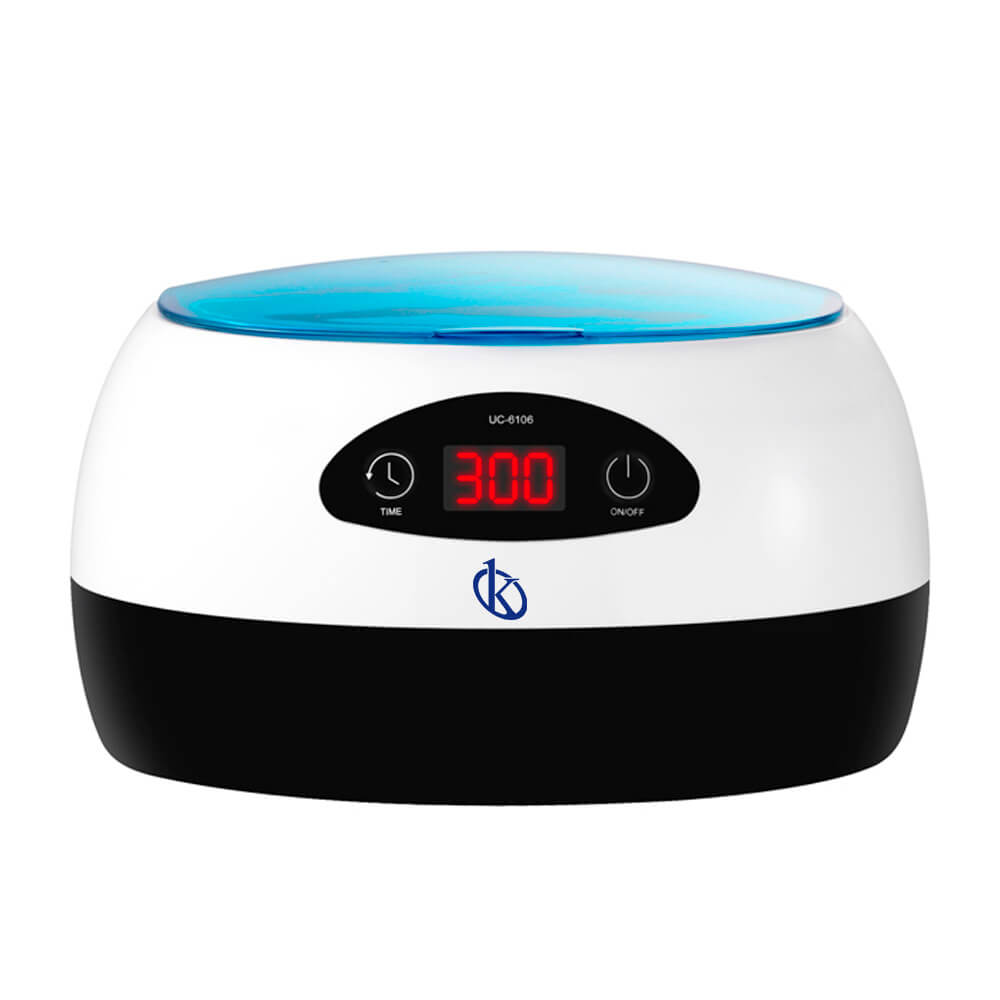
Digital Desktop Ultrasonic Cleanser: Real Applications in Clinical and Hospital Laboratories 2026
What is it used for in 2026
In 2026, Digital Desktop Ultrasonic Cleansers are widely recognized for their ability to effectively clean intricate items, such as jewelry, dental instruments, and laboratory equipment. The ultrasonic cleaning process utilizes high-frequency sound waves to produce microscopic bubbles in a cleaning solution that implode violently, creating a scrubbing action that reaches even the smallest crevices. This technology makes it invaluable in clinical and hospital laboratory settings, where hygiene and precision are paramount.
History and evolution of the technology
The ultrasonic cleaning technology originated in the 1950s, initially utilized for industrial cleaning applications. Over the decades, advancements in technology have allowed for the miniaturization of these devices, making them accessible for household and laboratory use. The introduction of digital controls and improved ultrasonic frequencies has significantly enhanced cleaning efficiency and effectiveness. By 2026, the technology is not only more compact but also offers features like programmable time settings and variable frequencies that cater to diverse cleaning needs.
How to use it step by step
Using a Digital Desktop Ultrasonic Cleanser involves several straightforward steps:
- Preparation: Select the appropriate cleaning solution based on the items to be cleaned. Ensure the tank is free from debris and fill it with the solution to the recommended level.
- Loading: Place the items into the cleaning basket or directly in the tank. Ensure that they do not touch each other to allow for optimal cleaning.
- Settings: Power on the device and set the cleaning time and frequency according to the manufacturer's instructions.
- Start Cleaning: Initiate the cleaning cycle and monitor the process periodically.
- Rinse and Dry: Once the cycle is complete, remove the items, rinse them with clean water, and dry them thoroughly before use.
Best techniques and protocols
When using Digital Desktop Ultrasonic Cleansers, following established protocols will ensure optimal results:
- Always pre-clean items to remove heavy dirt or debris.
- Use distilled water or specific cleaning solutions for better results.
- Adjust the frequency based on the materials; lower frequencies are suitable for more robust items, while higher frequencies are better for delicate pieces.
- Conduct a test run with similar items to gauge effectiveness before cleaning valuable pieces.
Practical applications by laboratory type
Different types of laboratories utilize Digital Desktop Ultrasonic Cleansers for various applications:
- Dental Laboratories: Used for cleaning dental instruments, ensuring they are free from contaminants.
- Jewelry Workshops: Essential for restoring the shine and cleanliness of jewelry items.
- Research Laboratories: Effective in cleaning glassware and delicate components without risking damage.
Regulations, standards and certifications
Digital Desktop Ultrasonic Cleansers must comply with several industry standards, ensuring safety and efficacy. Look for devices that are UL, CE, or ISO certified, which indicate adherence to safety and quality regulations. Additionally, laboratories must follow strict protocols outlined by health authorities such as the CDC and WHO, particularly in clinical settings.
Comparison with alternative technologies
When considering cleaning technologies, Digital Desktop Ultrasonic Cleansers offer distinct advantages over traditional cleaning methods such as manual scrubbing or chemical cleaning. Ultrasonic cleaners effectively remove contaminants from complex geometries without mechanical abrasion, reducing the risk of damage. They are also generally more efficient, requiring less time and effort.
Comparison of available models
| Model | Best for | Key specs | Recommended use case |
|---|---|---|---|
| YR05231 | Jewelry | 750 ml capacity, 50W power, 42KHz frequency | Cleaning jewelry items with adjustable cleaning times. |
| YR05232 | Jewelry | 1400 ml capacity, 60W power, 40KHz frequency | Ideal for larger jewelry cleaning needs. |
| YR05229 | Lens cleaning | 0.6 L capacity, 50W power, 42KHz frequency | Perfect for cleaning small lenses and delicate items. |
| YR05230 | Dental instruments | 2.5 L capacity, 60W power, 42KHz frequency | Best suited for cleaning dental tools and instruments. |
Common mistakes and how to avoid them
Some common mistakes when using ultrasonic cleaners include:
- Overloading the tank, which can lead to inadequate cleaning.
- Using incorrect cleaning solutions that may damage items.
- Neglecting to rinse items post-cleaning, leaving residue behind.
Avoid these mistakes by carefully following the manufacturer's guidelines and conducting proper training for all users.
Maintenance, calibration and good practices 2026
Regular maintenance of Digital Desktop Ultrasonic Cleansers is crucial for longevity and performance:
- Clean the tank after each use to prevent contamination.
- Calibrate the device annually to ensure ultrasonic frequencies remain accurate.
- Inspect power cords and connections for wear and tear.
Cost-benefit analysis 2026
Investing in a Digital Desktop Ultrasonic Cleanser can provide substantial returns in terms of efficiency and effectiveness in cleaning. While initial costs may vary, the durability, reduced manual labor, and improved hygiene justify the expense, especially in high-demand laboratory environments where time and cleanliness impact results.
Frequently asked questions
What type of items can I clean with a Digital Desktop Ultrasonic Cleanser?
You can clean a variety of items, including jewelry, dental instruments, laboratory glassware, and delicate electronic components.
How do I choose the right ultrasonic cleaner for my lab?
Consider the size, capacity, frequency, and power of the ultrasonic cleaner based on the types of items you need to clean and the volume of cleaning required.
Can I use tap water in the ultrasonic cleaner?
While tap water can be used, it is recommended to use distilled water or a specific cleaning solution for optimal results to avoid mineral deposits.
How often should I clean the ultrasonic cleaner tank?
It is advisable to clean the tank after each use to prevent residue build-up and ensure effective cleaning.
Why is it important to rinse items after ultrasonic cleaning?
Rinsing removes any remaining cleaning solution or contaminants that could affect the quality or safety of the item.
What should I do if my ultrasonic cleaner is not working properly?
Check the power supply, ensure the tank is filled to the appropriate level, and look for any signs of damage or wear in the unit.
Where can I get a quote for a Digital Desktop Ultrasonic Cleanser?
You can request a quote on Kalstein Plus for our range of Digital Desktop Ultrasonic Cleansers suitable for your laboratory needs.
If you are looking for a fusion of innovation and quality, you have come to the right place. At Kalstein, we offer you the luxury of exploring our exclusive catalog of laboratory equipment. We manufacture every device to the highest standards of excellence. Our intuitive and seamless online purchasing channels are designed for your convenience, securing the most competitive prices. Hesitate no longer — we bring science to life, it is time to become part of our community.