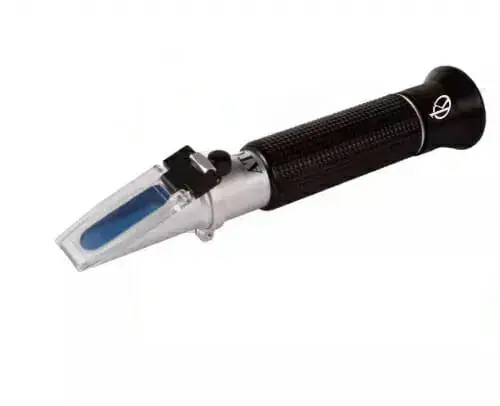
Digital Clinical Refractometers: Best Techniques and Protocols 2026
Digital Clinical Refractometers are essential tools in both clinical and veterinary settings for measuring the concentration of substances in liquids. Their accuracy and ease of use make them popular among laboratory professionals.
What is it used for in 2026
In 2026, Digital Clinical Refractometers are primarily used for determining the specific gravity of urine and the total serum protein levels. They are crucial for diagnosing and monitoring various medical conditions, ensuring accurate assessments and treatments in clinical practice.
History and evolution of the technology
The technology behind Digital Clinical Refractometers has evolved significantly over the years. Initially, refractometers were optical devices that required manual adjustments. With advancements in digital technology, modern refractometers now offer features like automatic temperature compensation (ATC) and enhanced precision, making them indispensable in laboratories.
How to use it step by step
Using a Digital Clinical Refractometer involves the following steps:
- Prepare the sample by ensuring it is at the required temperature.
- Turn on the refractometer and allow it to calibrate.
- Place a few drops of the sample on the prism.
- Close the cover and wait for the reading to stabilize.
- Read the value displayed on the screen, which indicates specific gravity or protein levels.
Best techniques and protocols
To achieve accurate results, follow these best practices:
- Ensure the refractometer is calibrated before each use.
- Use distilled water for zeroing the device.
- Perform multiple readings and average them for greater accuracy.
- Clean the prism after each use to prevent cross-contamination.
Practical applications by laboratory type
Digital Clinical Refractometers find applications in various laboratory settings:
- Clinical Laboratories: For urine analysis and serum protein measurement.
- Veterinary Clinics: To assess hydration status and diagnose diseases in animals.
- Research Laboratories: In experiments requiring precise liquid concentration measurements.
Regulations, standards and certifications
Digital Clinical Refractometers must comply with specific laboratory standards and regulations. Ensure that the devices are certified by relevant authorities to guarantee their reliability and accuracy. Regular calibration and verification are also recommended to meet quality control standards.
Comparison with alternative technologies
While Digital Clinical Refractometers are widely used, alternative techniques like hydrometry and chromatography exist. However, refractometers provide quicker and more user-friendly results, making them the preferred choice in most clinical settings.
Comparison of available models
| Model | Best for | Key specs | Recommended use case |
|---|---|---|---|
| YR05915 | Clinical and veterinary use | 0-12g/dl, 1.000-1.050sg, 1.3300RI-1.3600RI | Quick assessment of vital fluid levels |
| YR05966 | Veterinary and human serum protein measurement | 1.000-1.050, ±0.002 | General urine and serum analysis |
| YR05967 | Serum protein assessment | 0-12.1 g/dl, ±0.2 | Specific protein level measurement |
| YR05968 | Index of refraction measurement | 1.3330-1.3900nD, ±0.0003nD | Precise refractive index assessments |
Common mistakes and how to avoid them
Some common mistakes include:
- Not calibrating the device regularly.
- Using samples that are not at the correct temperature.
- Failing to clean the prism after each use.
To avoid these errors, establish a routine for maintenance and ensure proper training for all users.
Maintenance, calibration and good practices 2026
Regular maintenance of Digital Clinical Refractometers is crucial for their longevity and accuracy. Follow these guidelines:
- Calibrate the device at least once a week.
- Inspect the prism for scratches or damage regularly.
- Store the device in a protective case when not in use.
Cost-benefit analysis 2026
The investment in Digital Clinical Refractometers can lead to significant cost savings by improving diagnostic accuracy and speeding up laboratory workflows. The benefits far outweigh the initial costs, particularly in environments where quick and reliable results are essential.
Frequently asked questions
What is the best way to calibrate a Digital Clinical Refractometer?
The best way to calibrate a Digital Clinical Refractometer is to use distilled water to set the zero point before measuring any samples. Ensure the device is clean and at room temperature during calibration.
How often should a Digital Clinical Refractometer be calibrated?
It is recommended to calibrate the refractometer at least once a week or before each day of use to ensure accurate measurements.
Can Digital Clinical Refractometers be used for both human and veterinary applications?
Yes, many Digital Clinical Refractometers are designed for both human and veterinary applications, making them versatile tools in clinical settings.
What are the main factors that affect the accuracy of readings?
The main factors affecting accuracy include temperature variations, sample contamination, and improper calibration. Ensuring proper use and maintenance can help mitigate these risks.
What kind of samples can be measured with a Digital Clinical Refractometer?
Digital Clinical Refractometers can measure various liquid samples, including urine, serum, and other biological liquids, providing vital information for diagnostics.
How should I clean my refractometer?
To clean your refractometer, use a soft, lint-free cloth and a gentle cleaning solution. Avoid harsh chemicals that could damage the prism or other components.
Where can I request a quote for a Digital Clinical Refractometer?
You can easily request a quote for a Digital Clinical Refractometer through our platform, where you can find competitive prices and comprehensive service.
If you are looking for a fusion of innovation and quality, you have come to the right place. At Kalstein, we offer you the luxury of exploring our exclusive catalog of laboratory equipment. We manufacture every device to the highest standards of excellence. Our intuitive and seamless online purchasing channels are designed for your convenience, securing the most competitive prices. Hesitate no longer — we bring science to life, it is time to become part of our community.