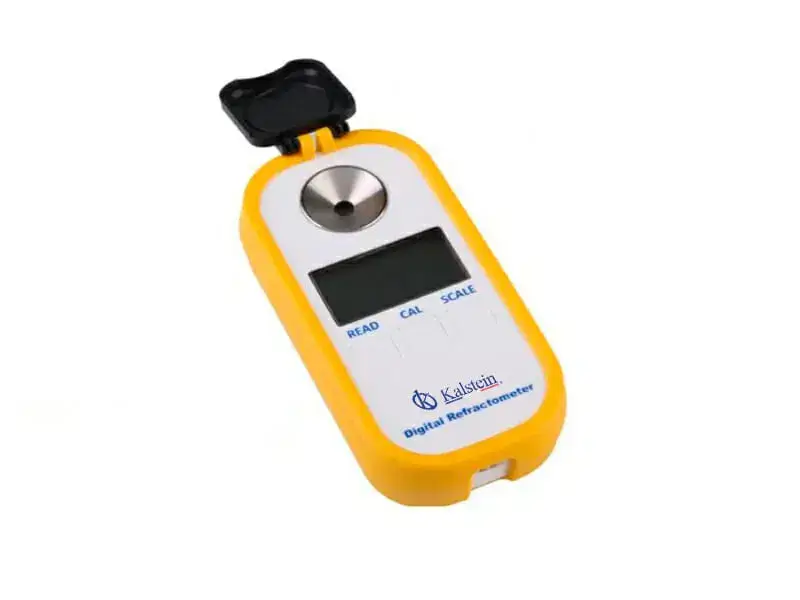
Digital BRIX+ Salinity Refractometers: Practical Step-by-Step Usage Guide 2026
What is it used for in 2026
Digital BRIX+ Salinity Refractometers are essential instruments in laboratories for measuring the concentration of soluble solids, particularly sugars, and salinity levels in aqueous solutions. Their applications span various industries including food and beverage, environmental testing, and agriculture. In 2026, these devices are critical for ensuring product quality, monitoring environmental conditions, and conducting research effectively. They provide reliable results that contribute to decision-making processes and compliance with industry standards.
History and evolution of the technology
The technology behind Digital BRIX+ Salinity Refractometers dates back to the early days of refractometry, which originally involved manual devices requiring careful calibration and interpretation. Over the years, advancements in technology have led to the development of digital models that offer enhanced accuracy, easier readings, and automatic temperature compensation (ATC). The introduction of digital displays and more precise sensors has revolutionized the way laboratory professionals approach solute measurement, making it quicker and more efficient.
How to use it step by step
Using Digital BRIX+ Salinity Refractometers involves a straightforward process:
- Preparation: Ensure the device is clean and functioning. Calibrate it if necessary, following the manufacturer’s instructions.
- Sample Collection: Take a small sample of the solution you wish to measure.
- Placing the Sample: Place a drop of the sample on the prism of the refractometer.
- Measurement: Close the cover to ensure no light interference, then read the digital display to obtain the BRIX or salinity reading.
- Recording Data: Document the readings along with any other relevant details for further analysis.
- Cleaning: After use, clean the prism thoroughly to prevent contamination.
Best techniques and protocols
To ensure accurate results, laboratory professionals should adhere to the following best practices:
- Always perform calibrations before measuring solutions.
- Use distilled water for cleaning to avoid residue from previous samples.
- Allow samples to reach room temperature before measurement to avoid discrepancies caused by temperature variations.
- Ensure that the refractometer is leveled properly during measurements.
- Regularly check battery levels to avoid performance issues during use.
Practical applications by laboratory type
Digital BRIX+ Salinity Refractometers find varied applications across different laboratory types:
- Food and Beverage Labs: Used to measure sugar content in juices, syrups, and wines.
- Agricultural Labs: Applied for analyzing soil salinity and crop nutrient solutions.
- Environmental Labs: Utilized to assess salinity levels in water bodies for ecological studies.
- Research Institutions: Employed in experimental setups requiring precise liquid concentration measurements.
Regulations, standards and certifications
In 2026, laboratories must adhere to stringent regulations and standards concerning the use of refractometric measurements. Compliance with ISO standards and local regulations is crucial for ensuring accuracy and reliability in results. Certifications may be required for specific applications, especially in food safety and environmental monitoring, necessitating regular audits and adherence to best practices.
Comparison with alternative technologies
While Digital BRIX+ Salinity Refractometers are widely used, alternative technologies such as hydrometers and conductivity meters exist. Hydrometers measure density but may not provide the same level of precision for sugar concentrations. Conductivity meters can analyze salinity but may not differentiate between different dissolved solids. Digital refractometers are generally more versatile and provide faster results, making them preferable in most laboratory settings.
Comparison of available models
| Model | Best for | Key specs | Recommended use case |
|---|---|---|---|
| YR05961 | Measuring BRIX in beverages | 0-50% Brix, ATC 0-40°C | Ideal for fruit juices and syrups |
| YR05962 | Measuring Salinity | 0-280‰ Salinity, ATC 0-40°C | Used in marine and environmental testing |
| YR05963 | Salinity Measurement | 0-280‰ Salinity, ATC 0-40°C | Good for agricultural soil testing |
| YR05964 | Density Measurement | 1.000-1.217 Density, ATC 0-40°C | Useful for brewery applications |
| YR05965 | Measuring Refractive Index | 1.3330-1.4200 nD, ATC 0-40°C | Applicable in chemical analysis |
Common mistakes and how to avoid them
Lab professionals often make errors that can lead to inaccurate readings. Here are common mistakes and tips to avoid them:
- Skipping calibration: Always calibrate before use.
- Not cleaning the prism: Clean thoroughly after each measurement.
- Using samples at incorrect temperatures: Allow samples to acclimate to room temperature.
- Reading errors: Ensure the device is level and the display is clear.
Maintenance, calibration and good practices 2026
Regular maintenance and calibration are crucial to ensure the longevity and accuracy of Digital BRIX+ Salinity Refractometers:
- Perform monthly calibration with standard solutions.
- Inspect the device for wear and tear regularly.
- Store the device in a dry, clean environment to avoid moisture damage.
- Replace batteries as needed to ensure optimal performance.
Cost-benefit analysis 2026
Investing in Digital BRIX+ Salinity Refractometers yields significant benefits. Although the initial cost may seem high, the precision and efficiency of these devices lead to time savings and reduced wastage in laboratory processes. With accurate measurements, laboratories can ensure compliance with quality standards, ultimately saving costs associated with rework or product loss. The long-term benefits outweigh the initial investment, making these refractometers a cost-effective choice for modern laboratories.
Frequently asked questions
What is the best practice for calibrating my Digital BRIX+ Salinity Refractometer?
Calibration should be done using standard solutions that match the expected measurement range. Always follow the manufacturer's guidelines for calibration frequency and procedure to ensure accuracy.
How often should I clean my refractometer?
You should clean the prism after every measurement. Regular cleaning prevents residue build-up, which can affect accuracy.
Can I use the refractometer for other liquids aside from water?
Yes, Digital BRIX+ Salinity Refractometers can be used for various liquids, but make sure the liquid is compatible with the refractometer's specifications to avoid damage and ensure accurate readings.
What temperature range can my refractometer measure effectively?
The typical effective temperature range is 0-40°C. Ensure samples are within this range for optimal accuracy.
Is there a difference between Brix and salinity measurements?
Yes, Brix measures the sugar content in a solution, while salinity measures the concentration of salts. Each requires a specific calibration and measurement approach.
What should I do if my readings seem inconsistent?
Check for proper calibration, clean the prism, and ensure that the sample is at the correct temperature. If issues persist, consult the user manual or contact support.
If you are looking for a fusion of innovation and quality, you have come to the right place. At Kalstein, we offer you the luxury of exploring our exclusive catalog of laboratory equipment. We manufacture every device to the highest standards of excellence. Our intuitive and seamless online purchasing channels are designed for your convenience, securing the most competitive prices. Hesitate no longer — we bring science to life, it is time to become part of our community.