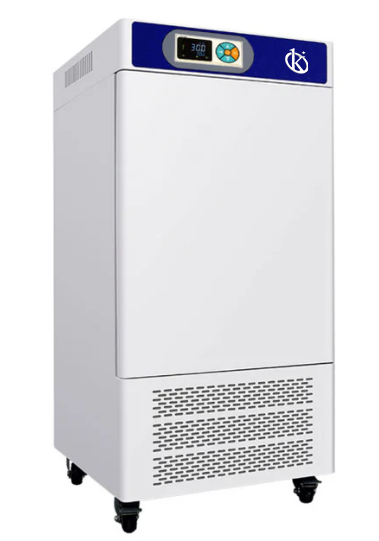
Constant Temperature and Humidity Incubators: Practical Step-by-Step Usage Guide in 2026
What is it used for in 2026
In 2026, Constant Temperature and Humidity Incubators are essential in various laboratory settings. Their primary function is to maintain a stable environment for biological samples, ensuring consistent temperature and humidity levels. This stability is crucial for applications in environmental protection, medicine, drug testing, health prevention, agriculture, aquaculture, biological engineering, and water analysis. These incubators support critical research and experiments, providing reliable conditions for growth and testing.
History and evolution of the technology
The technology behind Constant Temperature and Humidity Incubators has evolved significantly over the years. Initially developed for basic biological research, modern incubators now incorporate advanced features such as digital controls, automated humidity management, and energy-efficient designs. The integration of stainless steel interiors, double-door designs, and magnetic seals has improved performance and reliability. As laboratories demand greater precision and control, these incubators have adapted to include sophisticated monitoring systems and enhanced safety features.
How to use it step by step
Using a Constant Temperature and Humidity Incubator involves several critical steps:
- Preparation: Ensure the incubator is clean and free of contaminants before use. Check that the power supply and connections are intact.
- Calibration: Calibrate the temperature and humidity settings according to the specific requirements of your experiment.
- Loading Samples: Place your samples inside the incubator, ensuring adequate space for air circulation. Use racks or trays as needed.
- Setting Parameters: Set the desired temperature and humidity levels on the control panel. Monitor the display for accuracy.
- Monitoring: Regularly check the incubator's conditions using built-in sensors or external monitoring devices.
- Documenting: Record data related to temperature and humidity levels throughout the experiment for future reference.
- Completion: Once your experiment is complete, remove samples carefully and clean the incubator as needed.
Best techniques and protocols
To maximize the effectiveness of Constant Temperature and Humidity Incubators, adhere to the following techniques and protocols:
- Always preheat the incubator to the desired temperature before loading samples.
- Use high-quality humidity sensors to maintain accurate readings.
- Ensure proper sealing of doors to prevent humidity loss.
- Implement a routine maintenance schedule for calibration and cleaning.
- Utilize data logging tools to track environmental conditions over time.
Practical applications by laboratory type
Constant Temperature and Humidity Incubators find applications across various laboratory types:
- Clinical Laboratories: Used for culturing and incubating microbial samples.
- Pharmaceutical Research: Essential for stability testing of drugs under controlled conditions.
- Agricultural Research: Ideal for seed germination and plant growth studies.
- Environmental Testing: Used in studies assessing the impact of temperature and humidity on ecological samples.
Regulations, standards and certifications
In 2026, laboratories must adhere to various regulations and standards when using Constant Temperature and Humidity Incubators:
- ISO 9001 for quality management systems.
- ISO 17025 for testing and calibration laboratories.
- Good Laboratory Practices (GLP) to ensure data integrity and reliability.
- Compliance with local environmental regulations regarding waste disposal.
Comparison with alternative technologies
While Constant Temperature and Humidity Incubators are widely used, alternative technologies also exist:
- Refrigerated Incubators: Provide cooling capabilities in addition to heating, suitable for specific applications.
- Environmental Chambers: Offer more extensive control over various environmental factors beyond just temperature and humidity, such as light and CO2 levels.
Comparison of available models
| Model | Best for | Key specs | Recommended use case |
|---|---|---|---|
| YR02053 | General laboratory use | Temperature range: 0 ~ 60°C, Precision: ± 0.1°C, Volume: 100L | Basic biological testing and sample storage |
| YR02054 | Medium volume applications | Temperature range: 0 ~ 60°C, Precision: ± 0.1°C, Volume: 150L | Pharmaceutical stability testing and microbial research |
| YR02055 | High-capacity research labs | Temperature range: 0 ~ 60°C, Precision: ± 0.1°C, Volume: 250L | Advanced agricultural and environmental studies |
Common mistakes and how to avoid them
Laboratory professionals often encounter pitfalls when using Constant Temperature and Humidity Incubators. Avoid these common mistakes:
- Failing to calibrate the incubator regularly leads to inaccurate results. Implement a routine calibration schedule.
- Overloading the incubator can disrupt air circulation and affect temperature uniformity. Always adhere to the manufacturer’s load recommendations.
- Neglecting to monitor humidity levels can result in sample degradation. Use reliable sensors and alarms for continuous monitoring.
Maintenance, calibration and good practices 2026
Maintain your incubator effectively with these practices:
- Conduct weekly inspections for cleanliness and operational efficiency.
- Perform monthly calibration checks on temperature and humidity settings.
- Keep a log of all maintenance activities for accountability.
- Replace worn-out seals or gaskets to maintain environmental integrity.
Cost-benefit analysis 2026
Understanding the cost-benefit ratio of Constant Temperature and Humidity Incubators is vital:
- Initial investment in high-quality incubators can be high, but the reliability and accuracy they provide justify the expense.
- Consider long-term savings from reduced sample loss and improved research outcomes.
- Evaluate operational costs against the volume of samples processed to determine cost-effectiveness.
Frequently asked questions
What are the main features to look for when selecting an incubator?
When selecting an incubator, consider temperature range, humidity control, chamber size, ease of calibration, and power consumption.
How can I ensure accurate temperature readings in my incubator?
Regularly calibrate the incubator and use high-quality temperature sensors to ensure consistent and accurate readings.
What types of samples can be incubated?
Samples such as biological cultures, environmental samples, and pharmaceuticals can all be incubated under controlled conditions.
How often should I perform maintenance on my incubator?
Perform routine maintenance checks at least once a month and document any findings or repairs made.
Can I use my incubator for non-biological applications?
Yes, incubators can be used for various applications, including environmental testing and stability studies in the pharmaceutical industry.
What is the expected lifespan of a Constant Temperature and Humidity Incubator?
With proper maintenance, a high-quality incubator can last over ten years, depending on usage and care.
Where can I request a quote for these incubators?
You can request a quote by contacting our sales team directly for personalized service and detailed pricing information.
If you are looking for a fusion of innovation and quality, you have come to the right place. At Kalstein, we offer you the luxury of exploring our exclusive catalog of laboratory equipment. We manufacture every device to the highest standards of excellence. Our intuitive and seamless online purchasing channels are designed for your convenience, securing the most competitive prices. Hesitate no longer — we bring science to life, it is time to become part of our community.