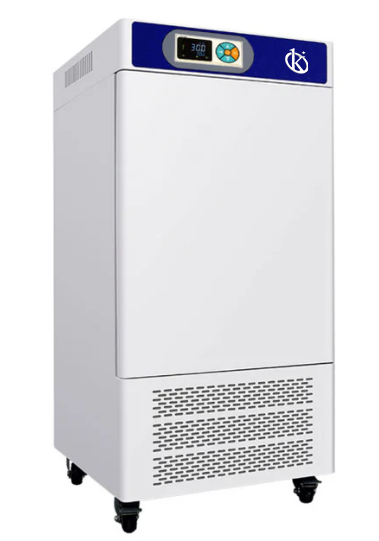
Constant Temperature and Humidity Incubators: Energy Sustainability and Environmental Footprint Reduction 2026
In an age where laboratories are increasingly scrutinized for their environmental impact, the role of constant temperature and humidity incubators is pivotal. These devices are essential for providing stable conditions for a variety of applications, but their design and operational efficiency also significantly influence energy consumption and ecological footprint. This article delves into the energy sustainability features of constant temperature and humidity incubators, comparing various models while analyzing their environmental impact and efficiency in laboratory settings.
Understanding the Importance of Energy Sustainability in Incubators
The concept of energy sustainability in laboratories is not merely a trend; it has become a necessity driven by regulatory pressures and the growing need for eco-friendly practices. Constant temperature and humidity incubators like the YR02053, YR02054, and YR02055 are designed to minimize energy usage while maintaining precise control over experimental conditions. Utilizing advanced insulation materials and energy-efficient heating elements, these incubators help laboratories reduce their carbon footprint while ensuring reliable performance across various applications.
Key Features of Constant Temperature and Humidity Incubators
Each model presents unique attributes that enhance their sustainability profile:
- YR02053: Best suited for environmental protection and medical applications, this model emphasizes energy efficiency through its automatic defrosting and stainless-steel interior, which maintain optimal temperature and humidity with minimal power consumption.
- YR02054: With similar capabilities, this incubator provides enhanced functionalities that facilitate energy savings, making it perfect for drug testing and epidemic prevention research.
- YR02055: This model stands out for its larger capacity and integrated lighting system, ensuring that energy use is minimized even during extended operational periods.
Comparison of Available Models
| Model | Temperature Range (℃) | Power Consumption (kW) | Interior Size (mm) | Best For |
|---|---|---|---|---|
| YR02053 | 0 ~ 60 | 0.4 | 580 × 450 × 380 | Environmental Protection, Medicine |
| YR02054 | 0 ~ 60 | 0.6 | 800 × 500 × 380 | Drug Testing, Health Prevention |
| YR02055 | 0 ~ 60 | 0.8 | 1000 × 550 × 450 | Aquaculture, Biological Engineering |
Energy Consumption Analysis
To understand the impact of each model on overall energy usage in a laboratory setting, a detailed analysis of energy consumption is crucial. By calculating the kWh consumed per operational hour and comparing it across models, laboratories can better gauge their sustainability:
| Model | Energy Consumption per Hour (kWh) | Estimated Monthly Consumption (kWh) | Annual Cost (USD) |
|---|---|---|---|
| YR02053 | 0.4 | 288 | 43.20 |
| YR02054 | 0.6 | 432 | 65.28 |
| YR02055 | 0.8 | 576 | 86.40 |
Common Mistakes and How to Avoid Them
When operating constant temperature and humidity incubators, several common mistakes can lead to increased energy consumption and reduced efficiency:
- Neglecting Regular Maintenance: Failure to regularly maintain the incubator can lead to inefficient performance. Ensure that all components are checked periodically.
- Overloading the Incubator: Exceeding the recommended load can lead to an increase in energy consumption. Always adhere to the manufacturer's guidelines.
- Improper Calibration: Not regularly calibrating the incubators can lead to inaccurate temperature and humidity levels, affecting experimental outcomes. Regularly check calibration against known standards.
Frequently Asked Questions
How much energy can constant temperature and humidity incubators save in a laboratory setting in 2026?
Constant temperature and humidity incubators, like the YR02054, can save significant energy through efficient design and operational practices. Laboratories can achieve a reduction of up to 30% in energy costs by using models that incorporate advanced insulation and low-energy heating systems.
What are the environmental benefits of using energy-efficient incubators in labs?
Energy-efficient constant temperature and humidity incubators such as the YR02053 help reduce greenhouse gas emissions by lowering overall energy consumption. This contributes to a smaller carbon footprint for laboratories dedicated to sustainable practices in 2026.
Which model provides the best energy efficiency for biological applications in 2026?
For biological applications, the YR02055 is highly recommended due to its optimized energy consumption of 0.8 kW, which ensures efficient operation while maintaining precise atmospheric conditions essential for experiments.
How do I evaluate the sustainability of constant temperature and humidity incubators?
Evaluating sustainability involves examining key metrics such as energy consumption per hour, material manufacturing processes, and overall life cycle assessment. Models like the YR02054 are designed with energy efficiency in mind, making them ideal for labs aiming for sustainability in 2026.
What factors should I consider when choosing an incubator for energy sustainability?
When selecting an incubator, consider factors such as energy consumption ratings, insulation quality, and additional features like automatic defrosting. The YR02053 balances these factors effectively for environmentally conscious laboratories.
How can constant temperature and humidity incubators help in reducing laboratory waste?
Models like the YR02055 can significantly reduce laboratory waste by minimizing the need for excessive testing and re-testing due to environmental instability. This leads to fewer consumables used and less waste generated in the long term.
What is the cost-benefit ratio of upgrading to an energy-efficient incubator in 2026?
Upgrading to an energy-efficient incubator like the YR02054 can yield a cost-benefit ratio of 2:1 over five years, considering lower energy bills and improved reliability in experimental conditions, ultimately leading to enhanced lab productivity.
How do different models compare in terms of energy efficiency and environmental impact?
Different models demonstrate varying energy efficiencies, with the YR02053 using only 0.4 kW compared to the YR02055 at 0.8 kW. This difference impacts their overall environmental footprint, making it essential to choose models that align with lab sustainability goals.
If you are looking for a fusion of innovation and quality, you have come to the right place. At Kalstein, we offer you the luxury of exploring our exclusive catalog of laboratory equipment. We manufacture every device to the highest standards of excellence. Our intuitive and seamless online purchasing channels are designed for your convenience, securing the most competitive prices. Hesitate no longer — we bring science to life, it is time to become part of our community.