Common Mistakes and How to Avoid Them in Daily Operation for CO₂ Incubators: A 2026 Guide
CO₂ incubators are essential tools in laboratories that focus on cell culture and microbiological research. Understanding their operation, potential pitfalls, and best practices can significantly enhance laboratory efficiency and output quality. This guide aims to equip laboratory professionals with practical knowledge about CO₂ incubators, focusing on common operational mistakes and how to avoid them.
What is it used for in 2026
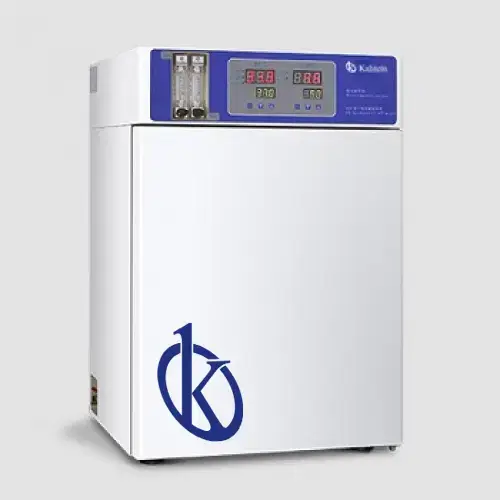
CO₂ incubators are crucial for maintaining a controlled environment for cell and tissue cultures. They provide stable temperature, humidity, and CO₂ levels, which are vital for the growth and maintenance of biological samples. In 2026, the applications of CO₂ incubators have expanded into various fields including immunology, oncology, genetics, and bioengineering, supporting advancements in microbiology, agricultural science, and drug production.
History and evolution of the technology
The development of CO₂ incubators dates back several decades, initially designed to provide a stable environment for growing cells. Over the years, technological advancements have led to improved temperature control, reduced contamination risks, and enhanced monitoring capabilities. Modern CO₂ incubators now often include features such as PID controllers, advanced humidity systems, and built-in sterilization lamps, making them indispensable in today's research laboratories.
How to use it step by step
- Start by checking the incubator's calibration and ensure that all settings are correct according to your experimental requirements.
- Preheat the incubator to the desired temperature, typically set between 37°C for mammalian cells.
- Set the CO₂ concentration to the required level, commonly around 5% for most cell types.
- Introduce the culture flasks or plates into the incubator, ensuring that there is ample space for air circulation.
- Regularly monitor the internal conditions using the digital display and make adjustments as necessary.
- After the required incubation period, carefully remove the samples, taking care to minimize contamination risk.
Best techniques and protocols
To achieve optimal results when using CO₂ incubators, follow these protocols:
- Maintain sterile conditions: Always use aseptic techniques when handling cultures to avoid contamination.
- Regularly calibrate and validate the incubator settings to ensure accurate temperature and CO₂ levels.
- Utilize the built-in UV sterilization feature to minimize microbial contamination.
- Inspect seals and gaskets frequently to prevent gas leakage and maintain internal conditions.
Practical applications by laboratory type
CO₂ incubators serve various functions depending on the laboratory type:
- Research Laboratories: Used for cell line maintenance, tissue engineering, and genetic studies.
- Pharmaceutical Labs: Critical for drug development processes, including testing and culturing of biological agents.
- Clinical Labs: Essential for cultivating samples in diagnostics and clinical research.
- Biotechnology Firms: Supporting the development of bioproducts through controlled cellular environments.
Regulations, standards and certifications
CO₂ incubators must meet various regulatory standards to ensure safety and efficacy in operation. Compliance with Good Laboratory Practice (GLP), ISO 9001, and specific standards from organizations such as the FDA and EPA are crucial. Regular audits and certifications are necessary to maintain compliance and ensure the reliability of incubators in critical applications.
Comparison with alternative technologies
While CO₂ incubators are widely used, other technologies exist, such as:
- Bioreactors: Designed for larger-scale cell growth and production, often used in industrial applications.
- Shakers: Useful for culturing microorganisms; however, they do not provide the same level of environmental control as incubators.
- Refrigerated Incubators: Ideal for samples requiring lower temperatures but lack CO₂ control.
Comparison of available models
| Model | Best for | Key specs | Recommended use case |
|---|---|---|---|
| YR02048 | Cell, tissue, and bacterial cultures | Temperature range: RT + 5 ~ 60°C, CO₂ range: 0 ~ 20% | Immunology and oncology research |
| YR02049 | Cell, tissue, and bacterial cultures | Temperature range: RT + 5 ~ 60°C, CO₂ range: 0 ~ 20% | Genetic and bioengineering applications |
| YR02049-1 | Cellular cultivation, microbiological research | Temperature range: RT + 5 ~ 55°C, CO₂ range: 0 ~ 20% | Pathology and life sciences |
Common mistakes and how to avoid them
Laboratories often encounter several common mistakes when operating CO₂ incubators:
- Improper Calibration: Ensure regular calibration to avoid inaccurate conditions.
- Opening the Door Too Frequently: Limit door openings to maintain stable environmental conditions.
- Neglecting Sterilization: Regularly utilize built-in UV sterilization features to prevent contamination.
Maintenance, calibration and good practices 2026
Regular maintenance is crucial for the longevity and efficiency of CO₂ incubators. Suggested practices include:
- Perform weekly checks on temperature and humidity levels.
- Calibrate CO₂ sensors monthly and replace them as needed.
- Clean the interior surfaces regularly with appropriate disinfectants.
Cost-benefit analysis 2026
When evaluating the cost of CO₂ incubators, consider the following benefits:
- Increased productivity through improved culture conditions.
- Reduction in contamination rates, leading to higher success rates in experiments.
- Long-term investment in reliable technology that supports diverse applications.
Frequently asked questions
What should I consider when choosing a CO₂ incubator?
When selecting a CO₂ incubator, consider factors such as temperature range, CO₂ control accuracy, chamber size, and additional features like sterilization capabilities.
How often should a CO₂ incubator be calibrated?
It is recommended to calibrate your CO₂ incubator at least once a month, and more frequently if you notice any discrepancies in environmental conditions.
What are the signs that my CO₂ incubator needs maintenance?
Signs include fluctuating temperatures, unusual noises, abnormal CO₂ readings, or visible contamination inside the chamber.
Can I use a CO₂ incubator for different types of cell cultures?
Yes, CO₂ incubators are versatile and can be used for various cell types, but ensure that the temperature and CO₂ settings match the requirements of the specific culture.
What is the importance of humidity control in CO₂ incubators?
Humidity control is essential to prevent desiccation of samples and to maintain optimal growth conditions for cells and tissues.
How do I reduce contamination risks when using a CO₂ incubator?
Implement strict aseptic techniques, utilize UV sterilization, and ensure that door seals are intact to minimize contamination risks.
Where can I find more information on CO₂ incubator models?
For detailed specifications and purchasing options, you can explore our catalog and request a quote on Kalstein Plus.
If you are looking for a fusion of innovation and quality, you have come to the right place. At Kalstein, we offer you the luxury of exploring our exclusive catalog of laboratory equipment. We manufacture every device to the highest standards of excellence. Our intuitive and seamless online purchasing channels are designed for your convenience, securing the most competitive prices. Hesitate no longer — we bring science to life, it is time to become part of our community.